Source:Best Coffee > News Author:qjroot Published:2026-10-07 10:30:53
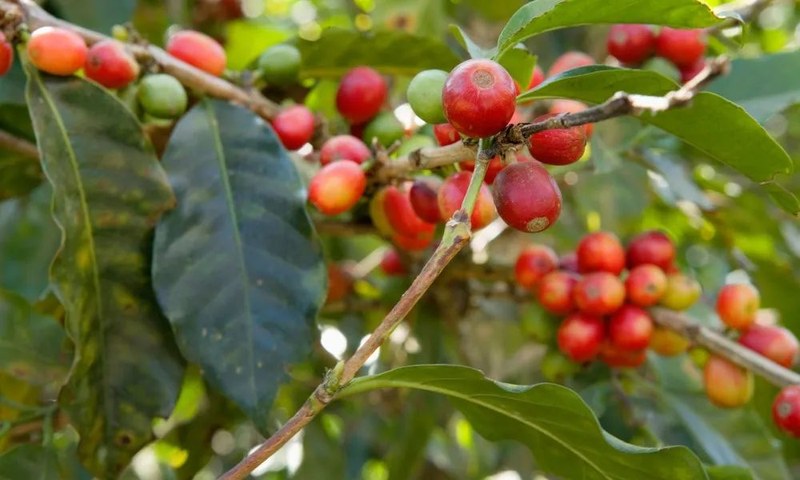
The story of Yunnan coffee begins in 1904, when French missionary Tian Deneng brought Typica from Vietnam into Zhugula Village, Binchuan County, planting the first seed. Today, Yunnan small bean - another name for Arabica - grows along this golden coffee belt at 25 degrees north latitude, with Baoshan, Dehong, Pu'er and Lincang in the province's southwest forming the core producing region. Slopes at an altitude of a thousand meters, fertile volcanic soil, abundant sunshine and plentiful rainfall, combined with a pronounced temperature difference between day and night, together shape the highly recognizable flavor foundation of Yunnan coffee. High altitude lengthens the ripening cycle of the coffee fruit, allowing sugars and aromatic compounds to accumulate slowly; the large day-night temperature difference suppresses nighttime respiration, so more of the organic matter produced by daytime photosynthesis is retained - this is the source of the sweetness and complexity in the cup.
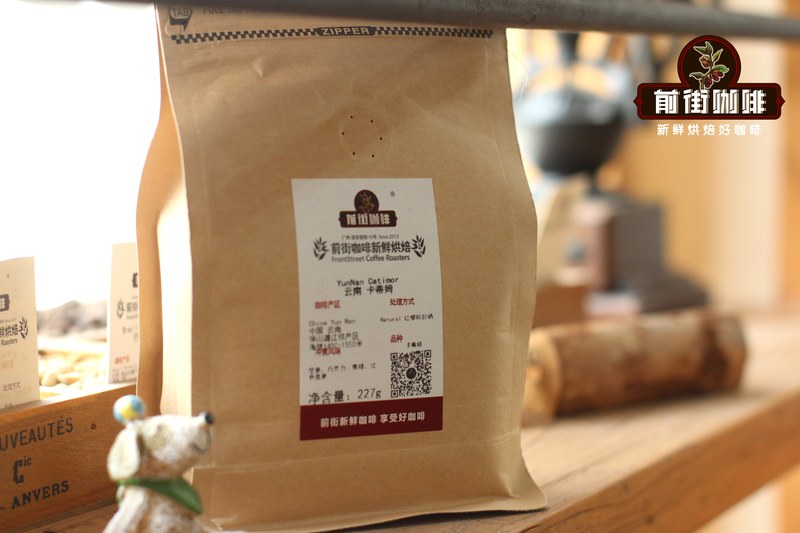
Volcanic soil is rich in minerals, providing the coffee trees with key nutrients such as magnesium and potassium, which is directly reflected in the fullness of the flavor. Yunnan's rainy season brings ample moisture, while the mountain mist and clouds of the dry season form natural shade, preventing direct sunlight from causing the fruit to dehydrate too quickly. This rhythm of "rain-fed and cloud-shaded" gives the coffee beans a moderate density - neither as sharply acidic as high-altitude hard beans nor as thin as low-altitude beans. Varieties such as Catimor and Typica grown locally in this environment develop a soft nutty and chocolatey sweetness, accompanied by a slight plum acidity, with a finish that often carries a black tea note and a clear sweet aftertaste. Qianjie Yunnan small bean comes from the Baoshan producing region and is washed and medium roasted - precisely a representative of this classic flavor, and also the starting point for many people to get to know Yunnan coffee.
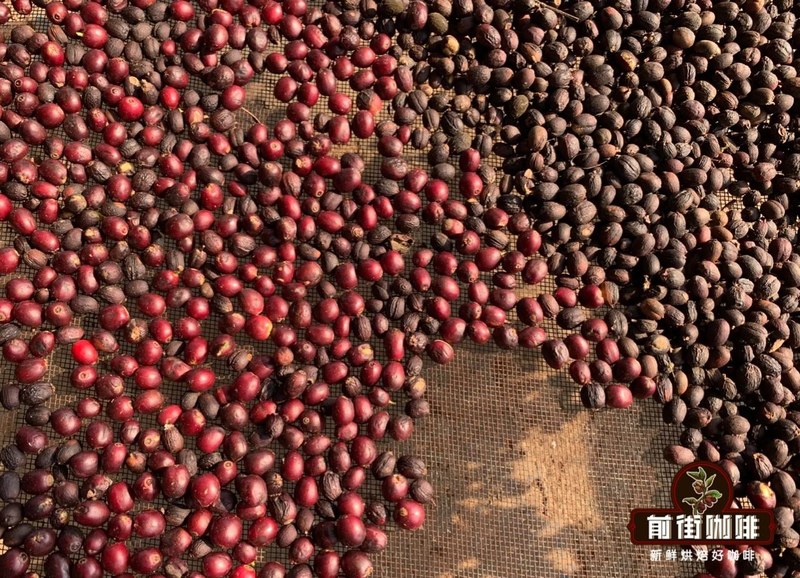
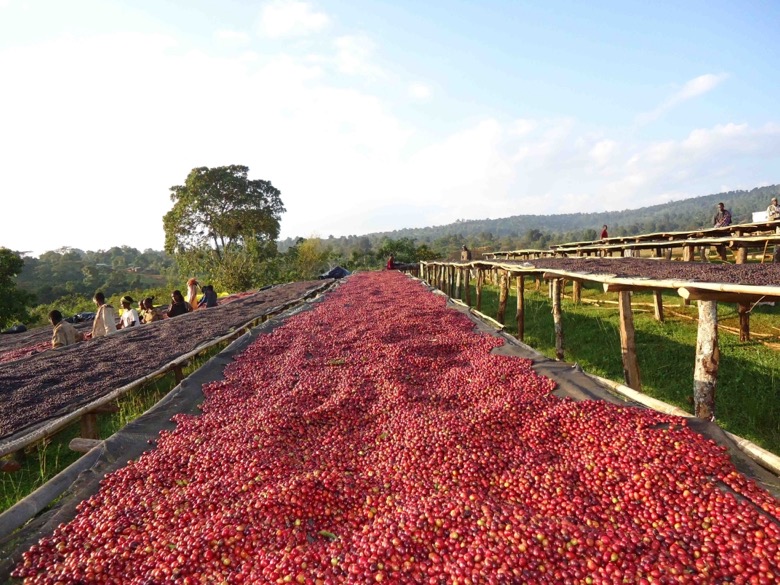
Processing method is another key that connects terroir to the cup. Washed processing removes the skin and pulp, then ferments and rinses the beans, giving a clean cup with bright acidity, in which the main lines of nuts and chocolate are clearly discernible - suitable for drinkers who want to purely experience the characteristics of Yunnan terroir. Natural processing spreads the whole fruit out to dry, so the sugars in the skin seep into the bean core, bringing fuller fruit aroma and sweetness. Honey processing lies between the two, retaining part of the mucilage during drying, with sweetness more prominent than washed and a stickier mouthfeel. In recent years Yunnan has also tried wet-hulling, drawing on Indonesian experience to remove the parchment when the green bean moisture content is relatively high, speeding up drying to reduce the risk of mold during the rainy season; the finished product often carries herbal and spice notes, adding a new dimension to the region's flavor map.
Qianjie 2013 Yunnan Natural Typica comes from Lincang, produced by the estate established by Qianjie in 2013, using only fully ripe all-red cherries, naturally processed and medium roasted. This bean's mouthfeel is more balanced, with dark berry tones replacing the bright acidity of the washed bean, caramel sweetness interwoven with chocolate, mixed with a hint of dried apricot, and a long black tea aftertaste after swallowing. The same variety showing such differences due to different processing methods precisely shows that terroir is the foundation, while the processing method is like the painter's brushstroke, determining the landscape ultimately presented in the cup.
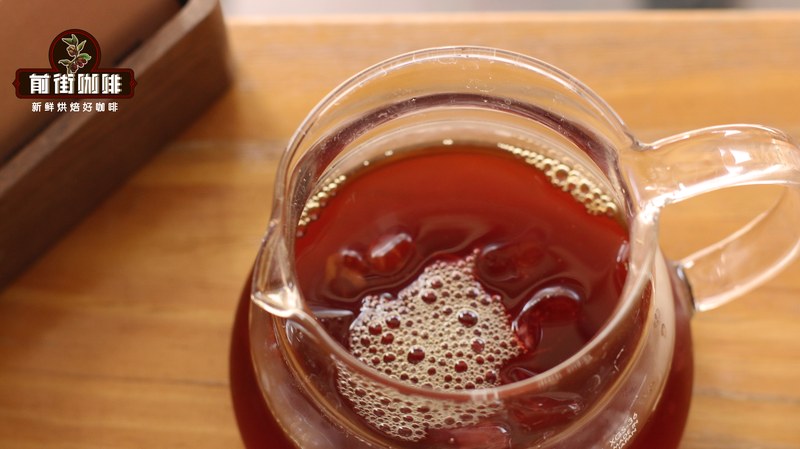
To understand these flavors clearly, pour-over is the recommended method. Take 15 g of grounds, control the water temperature at 92 to 93 degrees Celsius, use a medium-fine grind, and pour with a 1:15 coffee-to-water ratio. First bloom with a small amount of hot water for 30 seconds to let the coffee grounds release carbon dioxide, then pour steadily in circles, keeping the total extraction time within 2 minutes. The Qianjie Yunnan small bean brewed this way will first reveal the sweetness of nuts and chocolate; as the temperature drops slightly, the plum acidity gradually becomes clear, and the black tea note of the finish lingers long after swallowing. If using Qianjie 2013 Yunnan Natural Typica, you can capture the sweet aroma of dark berries and caramel in the high-temperature stage, and the dried apricot flavor becomes more distinct at medium temperature.
Extracting these two beans as espresso or with a moka pot calls for a different direction. Espresso requires a finer grind and short, high-pressure extraction, concentrating the heavy texture of nuts and chocolate, suitable for making a latte or americano. The moka pot is heated over medium-low heat until the flow ends, and the slightly higher extraction rate brought by the metal filter makes the caramel sweetness of the natural Typica more prominent. Either way, understanding how terroir and processing method shape flavor allows you to consciously amplify or balance certain characteristics when brewing, so that every cup of Yunnan coffee is clearly understood.
Related Reading






Comments (0)
Loading comments...
You May Be Interested



Trending Reviews
Popular Videos

With you, wherever you are! We provide useful features to help you find new things you'll love






