Source:Best Coffee > News Author:qjroot Published:2026-09-24 12:58:02
Many friends who are just getting into black coffee tend to assume it is unavoidably bitter and roasty. In fact, today's excellent specialty light-roasted beans long ago broke free of that one-dimensional impression, and instead taste more like a fragrant, refreshing fruit-and-flower tea. If a cup you brew comes out bitter and leaves your throat dry, it is usually not that the beans are not good enough, but that the two key knobs, extraction yield and strength, have not yet been dialed in to a comfortable balance point.
To understand brewing, it helps to picture extraction yield as how much flavor you have washed out of the grounds, while strength is how much material has dissolved into this cup of water. The higher the water temperature, the finer the grind, and the longer the water stays in contact, the more material is drawn out, and the extraction yield naturally rises; conversely, a coarser grind or a slightly lower water temperature will hold the dissolved flavors back a little. The combination of these two directly determines the flavor profile on the palate.
When the coffee in your hands tastes astringent and bitter, with a woody, off note rising on the tongue, that is often because the extraction yield is too high and you have accidentally forced out the bitter, muddy substances deep inside the beans. If it tastes sharply and harshly sour, lacking sweetness, that is a sign of under-extraction. As for finding it too intense and punchy or as thin as water, that is mostly the coffee-to-water ratio needing adjustment: too little water and it is too strong, too much water and it is too weak.
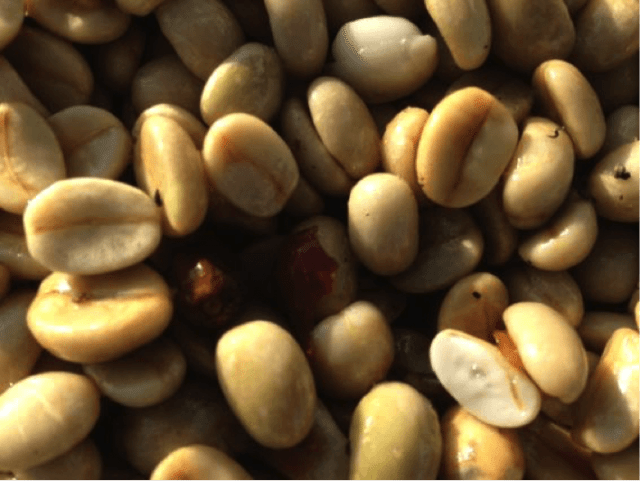
If you want to bring the same bag of beans to a smooth, sweet state, you can absolutely solve it by fine-tuning the parameters. When you hit bitterness, try coarsening the grind by half a step, or lowering the brewing water temperature slightly from 92°C to 90°C. With a gentler pour, you can softly bring the extraction yield down, keep the annoying bitter, muddy notes behind in the filter paper, and let the fruit aromas and sweet aftertaste the beans originally held unfold with ease.

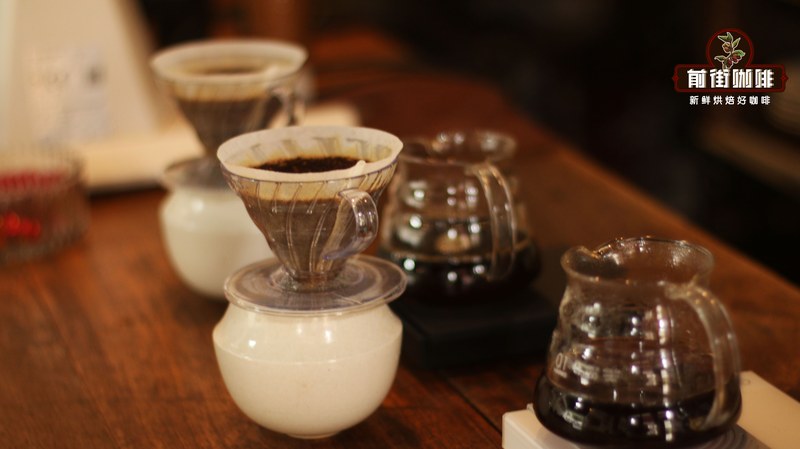
For everyday brewing of light-roasted beans, there is a very worry-free baseline set of parameters. Take 15 g of coffee grounds, and at a 1:15 coffee-to-water ratio, prepare to pour in 225 ml of hot water. First pour 30 ml of water for a gentle 30-second bloom, then keep a thin stream and pour in stages, keeping the total time to around two minutes. Coffee extracted this way is clean and bright, with a particularly balanced sweet-and-sour quality.
When choosing beans, besides looking at the roast level, you should also consider whether they suit being drunk strong or light. Some beans have a delicate, airy aroma, like an elegant black tea, and brewing them a little lighter can actually capture layer upon layer of floral notes; while some beans are full of juicy fruitiness and solid sweetness, and a little more intensity will not turn bitter, instead coming across as luscious as concentrated fruit jam. Following the bean's personality is the way to drink comfortably.
If you are trying light-roast pour-over for the first time, you might as well start with Front Street Yirgacheffe Gutingding. This bean carries an especially bright citrus and white flower aroma, with a long green-tea-like sweet finish in the tail. Its acidity is naturally soft and lively, with no sharpness at all; even if you usually brew a little lighter, it is like a refreshing, pleasant glass of iced fruit tea, overturning your prejudices about coffee at the very first sip.
If you prefer a fuller tropical fruit sweetness, Front Street Ethiopia Huakui will bring a surprise. When grinding, the fresh sweetness of strawberry and passion fruit rushes to the nose, and on the palate you can barely sense any bitterness, with juicy and syrup-like texture very much on display. As long as you keep the grind from being too fine, at a moderate strength every sip is like tasting ripe berries, going down especially smoothly.
Friends who like more distinctive flavors can also choose Front Street Kenya Little Tomato. It has a vivid cherry tomato and smoked plum flavor, with bright, solid acidity, a pear-like freshness in the middle, and a finish that turns into a comfortable brown sugar sweetness. Brew a pot with a gentle extraction method and sip it slowly on a quiet, sunny afternoon: it turns out the world of coffee that is not bitter hides such a rich sweet-and-sour taste.
Related Reading





Comments (0)
Loading comments...
You May Be Interested


Trending Reviews
Popular Videos

With you, wherever you are! We provide useful features to help you find new things you'll love






