Source:Best Coffee > News Author:qjroot Published:2024-04-13 18:02:40
Earlier, the El Niño phenomenon caused global climate anomalies, affecting many countries, including Panama. The most severely impacted was the Panama Canal, which is currently facing a drought crisis that has hindered maritime trade. In response, the Panamanian government has introduced a multi-modal transport plan.
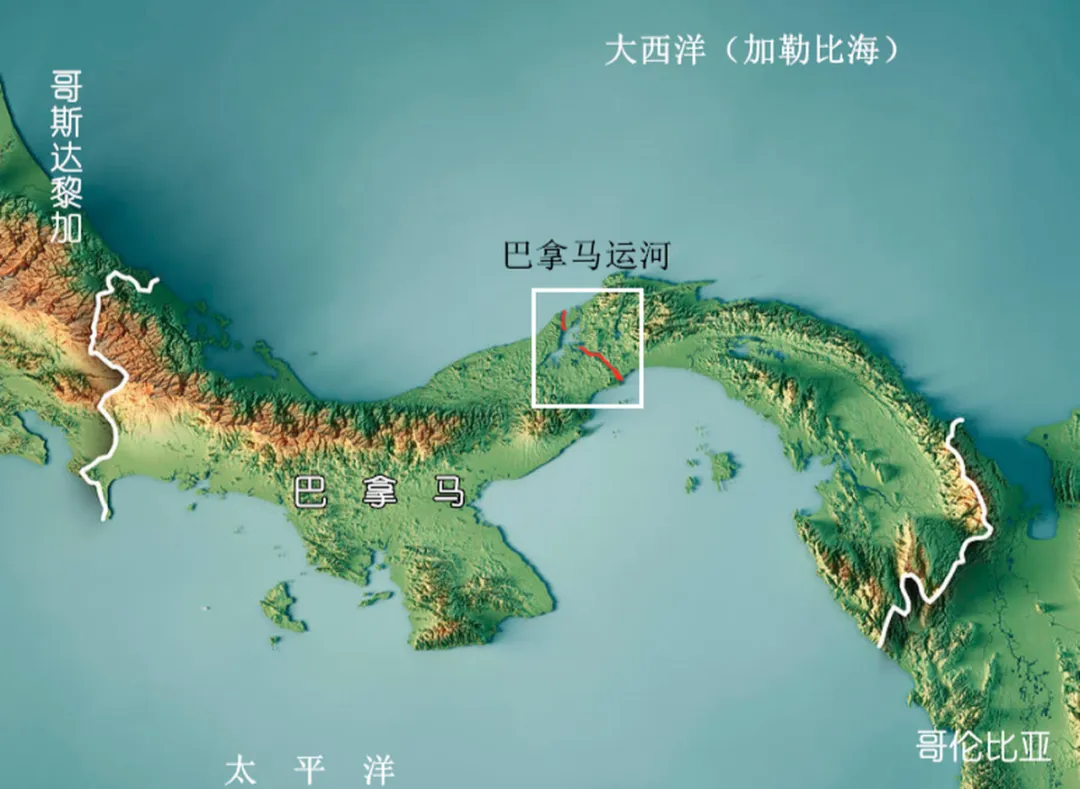
It is understood that the Panama Canal connects the Pacific Ocean and the Atlantic Ocean, serving as a vital shipping route. It is hailed as the "Bridge of the World," one of the seven great engineering wonders of the world, and is also one of the most important global trade waterways.
It is reported that the Panama Canal handles about 3% of global maritime trade and 46% of containers shipped from Northeast Asia to the U.S. East Coast. Under normal circumstances, it can accommodate the passage of 39 ships per day, but when severely affected, only 24 ships can pass daily, with recent recovery to 27 ships.
In addition, due to limited throughput, it is not uncommon for over a hundred ships to queue up, leading to maritime traffic congestion. Some vessels are forced to take detours, which significantly increases transportation time and costs. As a result, priority passage rights have even been auctioned off, with fees reaching as high as $4 million. This has ultimately contributed to rising prices and inflation, and is one of the reasons behind the recent increase in coffee prices.
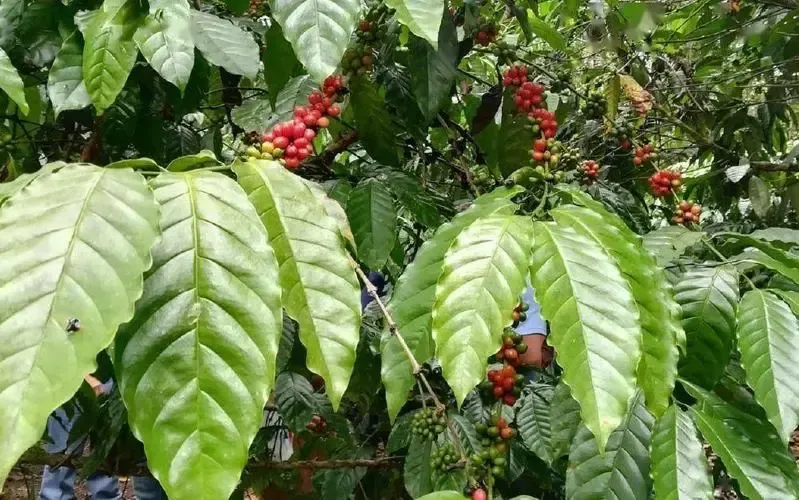
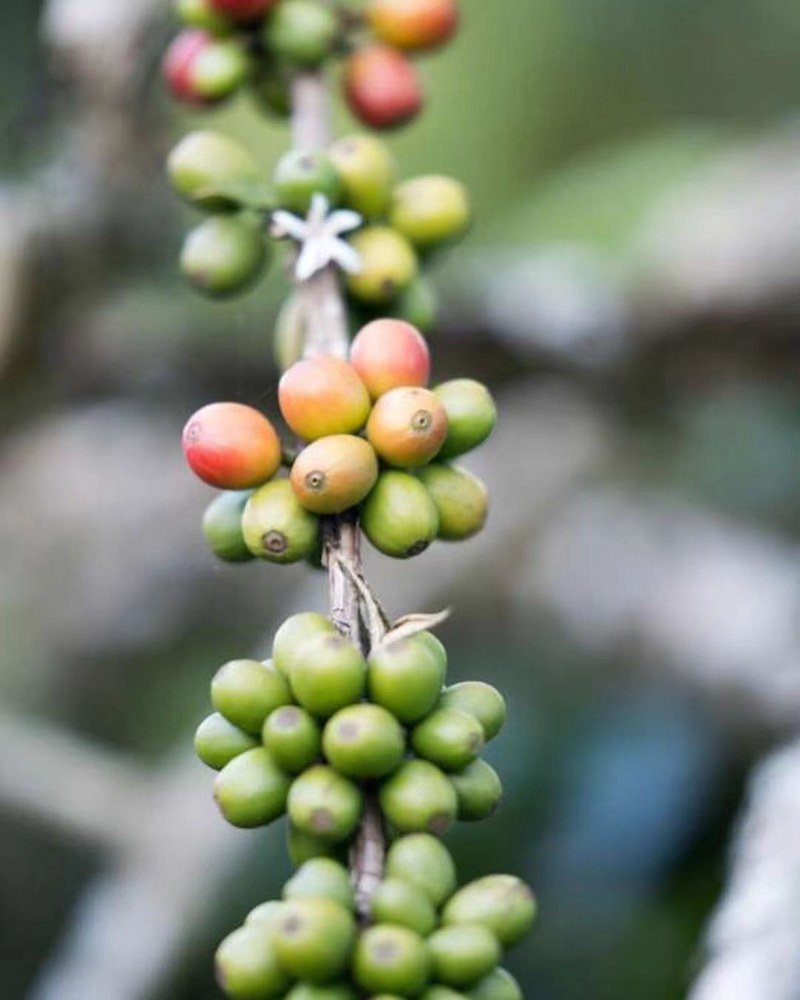
Previously, the Panama Canal Authority (ACP) had already invested $32 million in launching a 15-year plan. This plan allows coffee farmers to expand the cultivation of Robusta coffee trees near the canal. Through coffee tree reforestation, it aims to mitigate long-term environmental damage, including soil erosion and pollution of local rivers, and to slow the decline in canal water levels. Although this has been somewhat helpful, the process is slow and does not immediately resolve the current challenges.
Therefore, recently the head of the logistics department of the Panamanian Presidential Palace stated that a new project will be launched to alleviate the pressure on the canal. This “dry canal” project is positioned as a supplement to the Panama Canal. It will utilize existing road, rail, port facilities, airports, and free trade zones to implement a new “special customs jurisdiction.” Since it uses existing infrastructure, the new project requires no investment.
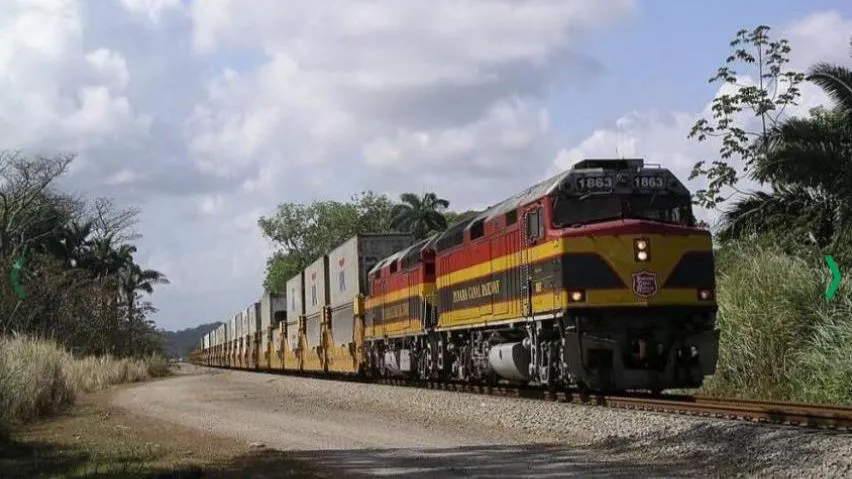
Moreover, Panamanian customs authorities believe that this plan will help shorten cargo transit and customs clearance times, improve cargo traceability, promote the digitization of customs procedures, thereby enhancing the transparency of cargo transport, preventing corruption and organized crime. Additionally, the plan can maintain the competitiveness of waterway transport. Compared with other schemes offered by other countries to shipping companies, the “dry canal” project is a lower-cost alternative.
Related Reading





Comments (0)
Loading comments...
You May Be Interested




Trending Reviews
Popular Videos

With you, wherever you are! We provide useful features to help you find new things you'll love






