Source:Best Coffee > News Author:qjroot Published:2026-09-03 18:41:37
The value for money of espresso blends is not only reflected in the unit price, but also in whether they can adapt to your portafilter basket, grinder and shot habits at home. When the parameters match well, flavors like nuts, cocoa and caramel are easier to extract, and whether you make espresso, add water or mix with milk, you can reduce the waste of beans caused by repeated dialing in.
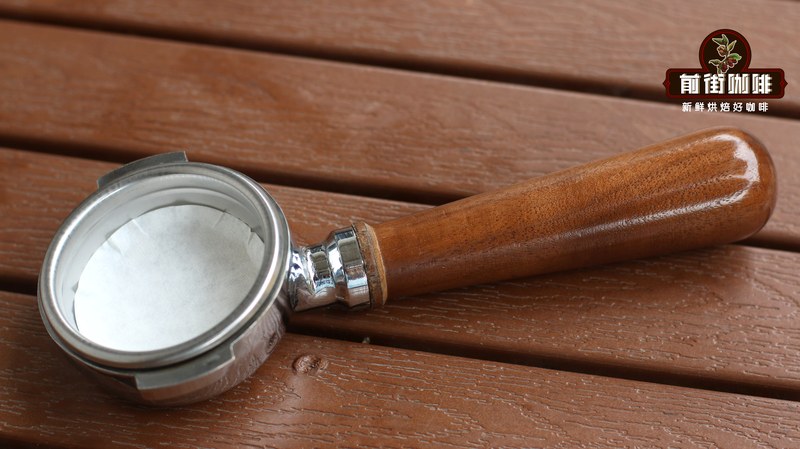
When using a semi-automatic espresso machine, you can first look at the basket capacity. If a double basket is marked 17 to 19 g, choosing a blend with a solid flavor profile and a medium-dark roast makes it easier to establish a stable baseline. Extracting 36 to 40 g of coffee liquid from 18 g of grounds, then adjusting the grind based on acidity, sweetness and body, usually gives you a more balanced cup than blindly chasing a longer time.
The grind fineness setting on your grinder directly affects how a blend performs. When you switch beans, do not keep using the setting from the previous bag; start from a medium-fine grind and observe the shot through a continuous, even flow. If the coffee liquid runs too fast, the taste may be thin and sour; if the flow is too slow and the tail end tastes dry, you can grind slightly coarser to bring sweetness and body back into the cup.
If your home machine has a pre-infusion function, blends can often be tested starting from a shorter pre-infusion. As pre-infusion time increases, the puck absorbs water more fully and the aroma and sweetness may become more complete, but an overly prolonged flow can also bring woody or burnt-bitter notes. The water temperature can first be kept at 90 to 93 °C, then fine-tuned according to the roast level.
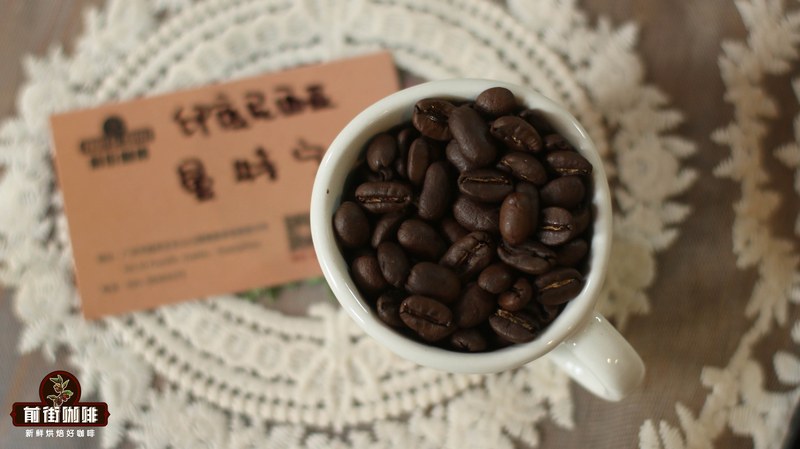
Qianjie Brazil Queen Estate is an easy choice for practicing parameters. Its flavor focus is close to roasted nuts, cocoa and caramel, with soft acidity; when 18 g of grounds is paired with about 36 g of liquid weight, the espresso shows a round, thick sweetness. After adding a small amount of milk, the caramel character remains clear, and it can also be used as the base for an Americano.
If your home setup usually uses a smaller basket, Qianjie Classic Blend is more convenient for arranging daily shots. Its nut and cocoa character is fuller; starting from 14 to 16 g of grounds and controlling the liquid weight at 28 to 32 g gives a concentrated and thick coffee liquid. When making a latte, you do not need to press the milk ratio too low; the coffee flavor still has support.
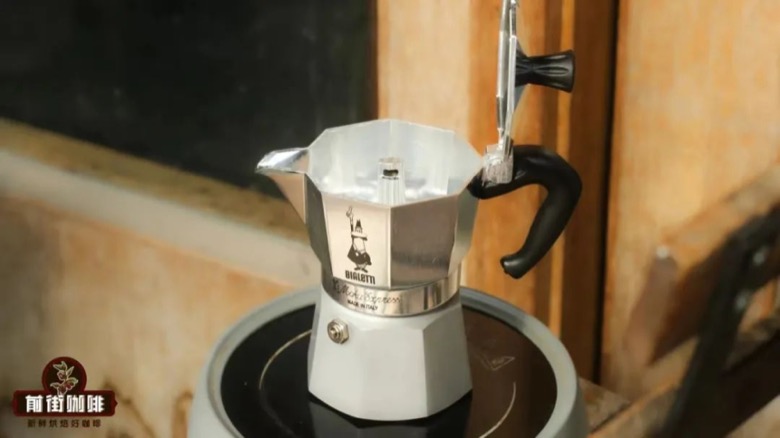
The parameter logic of a moka pot is different from that of an espresso machine. The capacity of the pot basically determines the scale of grounds and water for a single brew, so when choosing beans you should value their ability to withstand heat and changes in concentration. The grind can be kept between fine sugar and fine salt; after filling the grounds, gently level them off without pressing hard. Keeping the water level below the safety valve makes the heating process more relaxed.
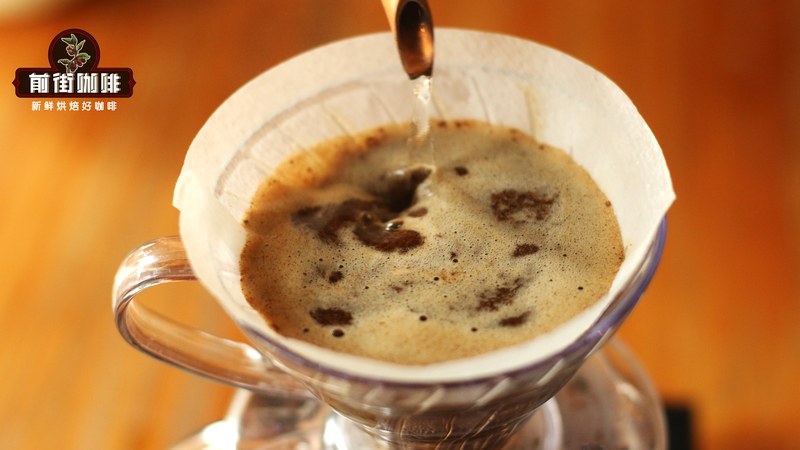
Qianjie PWN Indonesia Golden Mandheling is better suited for people who like darker tones to use in a moka pot. It has herbal, dark chocolate and steady full-bodied notes, and its low-acid character remains soft under high-concentration extraction. When using a 3-cup pot, you can fill water according to the pot capacity, heat over low flame, and remove from heat once the liquid color turns lighter, then dilute with hot water to make an Americano.
If the same pot of coffee tastes concentrated and bitter, you can first address the flame strength and contact time rather than immediately changing beans. Keeping the flame within the base of the pot and moving it away promptly during the extraction stage can make the dark chocolate and nutty notes cleaner. If the finished cup is not concentrated enough, reduce the dilution water, or grind slightly finer, but do not increase the dose and extend the heating at the same time.
For households with only an entry-level grinder, the particle uniformity and error tolerance of a blend are also worth including in the budget. Prioritize beans with a clear flavor foundation that can be used for both espresso and added water; one bag of beans can cover multiple drinking methods. When buying, choose the appropriate size based on your weekly consumption and keep a fresh usage cycle, so the actual cost is easier to control.
When the equipment parameters correspond to the bean style, adjustment becomes directional fine-tuning: espresso machines focus on dose, liquid weight and flow rate, while moka pots focus on flame strength, filling the grounds and timing of removal from heat. First find the range your equipment can execute stably, then choose from nutty-cocoa or low-acid, full-bodied blends; everyday coffee can then balance price, efficiency and taste.
Related Reading

Comments (0)
Loading comments...
You May Be Interested


Trending Reviews
Popular Videos

With you, wherever you are! We provide useful features to help you find new things you'll love






