Source:Best Coffee > News Author:qjroot Published:2026-09-03 19:03:56
The aroma of light-roast floral coffee beans needs suitable equipment parameters to unfold. Floral notes often emerge from the steam first, before the citrus, berry or tropical fruit tones come through. Pour-over, iced pour-over, cold brew and espresso machines each have different extraction logic, so when buying beans you can first look at the equipment you commonly use at home, then decide grind size, water temperature, coffee-to-water ratio and extraction time, so the beans' characteristics fit more closely with your everyday drinking method.
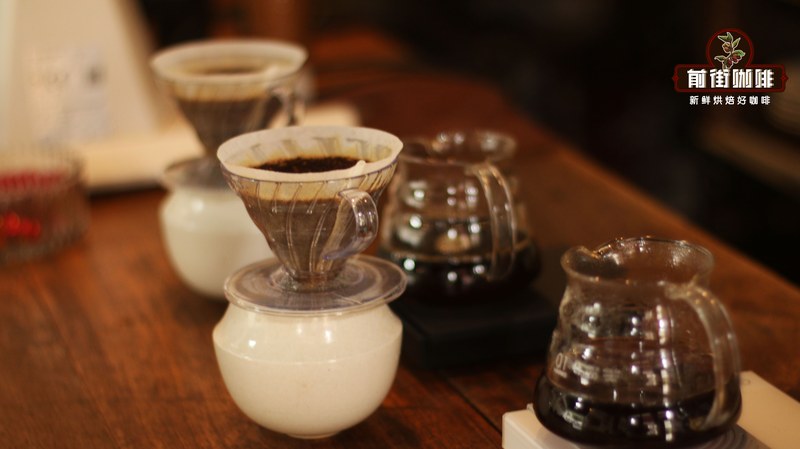
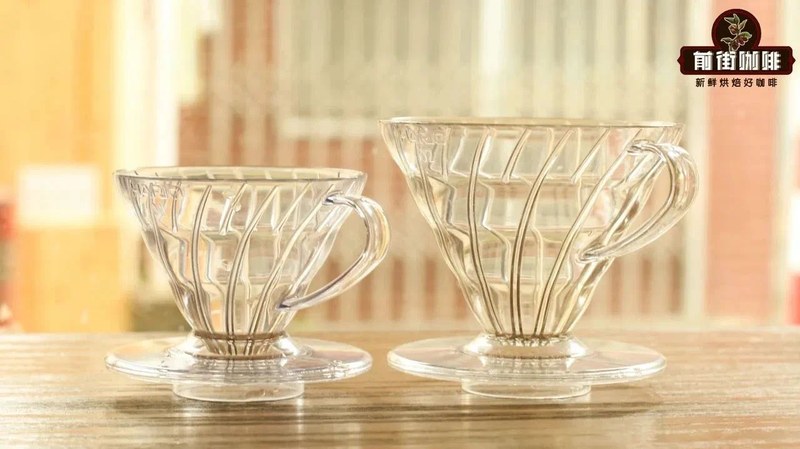
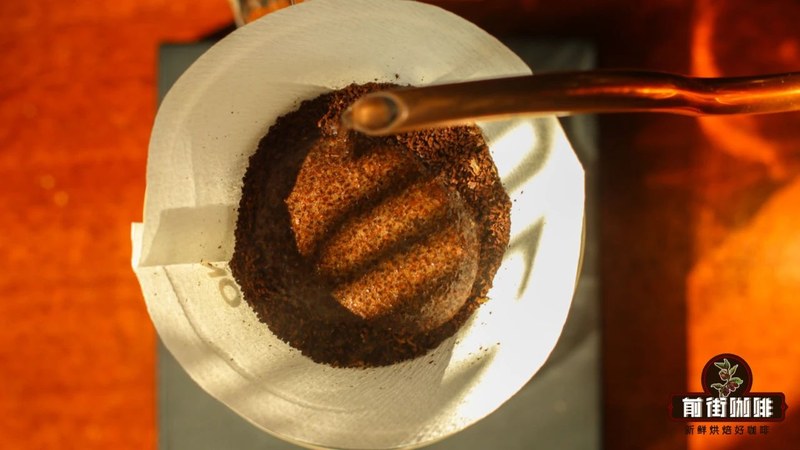
When using a conical dripper for pour-over, you can start with 15 g of coffee grounds and 240 g of water, set the water temperature at 91 to 94°C, use a medium-fine grind, and keep the total time at around 2 minutes 30 seconds to 3 minutes. Light-roast beans have a tighter structure; when the water temperature is too low it is easy to get only a sharp acidity, while a moderate increase in temperature helps the floral notes and sweetness unfold. You do not need to stir excessively when pouring; keep the stream of water continuous and the cup will usually be clearer.
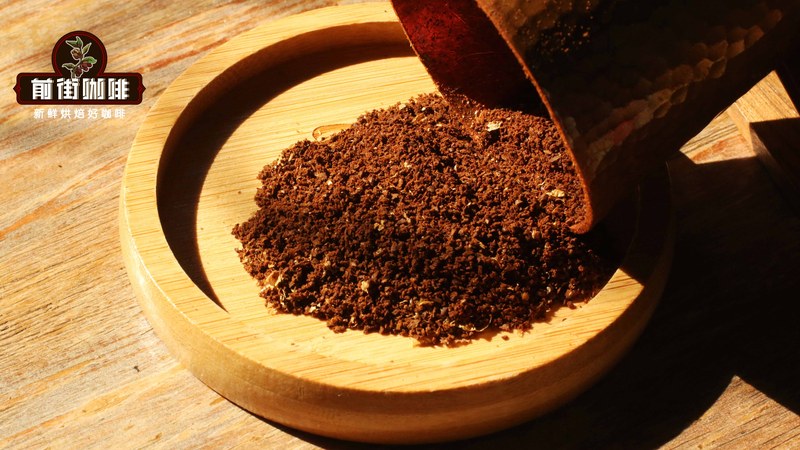
If the brewed coffee smells very fragrant but tastes thin on the palate, you can adjust the grind one step finer, or extend the contact time after blooming; if astringency and a drying feeling appear in the finish, you can grind slightly coarser and reduce the disturbance of the coffee bed from the later pours. The flow rate also affects extraction speed: a thin, steady stream is suited to preserving clear aroma, while a larger stream increases agitation of the coffee bed and the flavor may become more concentrated.
Best Coffee Yirgacheffe Gudingding is suited to showing a light floral and fruity character with pour-over equipment. 15 g of grounds can be paired with 250 g of water, starting at around 92°C, poured in three stages, waiting for the water level to drop before continuing. When hot it tends to show a bright citrus and berry-like quality, and as it cools it moves toward the refreshing texture of green tea and fruit peel, suitable for those who like a clean finish.
Flat-bottom drippers usually have a more even flow rate, suited to giving light-roast beans a fuller sweetness. When using this type of equipment, the grind can be slightly finer than for a conical dripper, the water temperature maintained at 92 to 94°C, and the coffee-to-water ratio tried from around 1 to 16. If the floral notes in the cup are prominent but the sweetness is insufficient, you can add one small pour; if the flavor seems heavy, reduce agitation and shorten the total time, and the layers will be lighter and livelier.
Iced pour-over is better suited to showing the juicy quality of light-roast beans. You can use 15 g of grounds, 150 g of hot water and 100 g of ice, with a water temperature of about 93°C, and a grind slightly finer than regular pour-over, so that less hot water brings out enough flavor. After the hot liquid falls directly onto the ice, the aroma is quickly locked in and the acidity appears crisp and bright. Best Coffee Ethiopia Huakui's tropical fruit, strawberry and passion fruit notes are livelier when made this way.
Cold brew equipment relies on a longer contact time to complete extraction, suited to turning floral and fruity aromas into a soft, smooth cold drink. For home preparation you can take 20 g of beans with 260 g of water, use a coarser grind than pour-over, steep in the refrigerator for 10 to 12 hours and then filter. After cold brewing, Best Coffee Ethiopia Huakui's acidity becomes rounder while the fruit aroma remains clear; adding ice or a little sparkling water both make for a light summer drink.
Putting light-roast floral beans into an espresso machine requires a finer grind and higher extraction control in exchange for concentration. You can start with 18 g of grounds extracting 36 g of liquid in about 28 to 35 seconds, set the water temperature at 93 to 95°C, and observe whether the early flow is even. If the espresso tastes sharply acidic, you can extend the flow or slightly raise the temperature; if bitterness and dryness increase, then shorten the liquid weight or adjust the grind coarser.
Best Coffee Kenya Little Tomato is suited to making a short americano with an espresso machine, and can also be made into a vividly flavored iced coffee. Its cherry tomato, smoked plum and brown sugar notes appear bright and sweet at higher concentration. If used for milk coffee, it is recommended to reduce the proportion of milk so the coffee liquid retains clear fruit acidity and finish; if making an americano, you can increase the hot water and observe whether the acidity is still pleasant.
Beyond equipment, the uniformity of the grinder and the water used also affect floral expression. Light-roast beans need a relatively stable proportion of fines, and a grinder with burrs in good condition makes it easier to achieve a clean cup. For brewing water you can choose drinking water with a moderate mineral content, keep the water temperature consistent each time, and record the grounds weight, liquid weight and time; after a few adjustments you will find the range suited to your own equipment.
When choosing light-roast floral coffee beans, you can treat the parameter ranges as a reference before buying: if you only have a pour-over kettle, focus first on floral notes and clarity; if you often make iced coffee, choose beans with fuller fruit aroma and sweetness; if your home is mainly based on an espresso machine, then pay attention to whether the concentration and sweetness can support the extraction. Once the equipment is settled, the beans' flavor description is easier to turn into a cup of coffee you can actually taste.
Related Reading


Comments (0)
Loading comments...
You May Be Interested



Trending Reviews
Popular Videos

With you, wherever you are! We provide useful features to help you find new things you'll love






