Source:Best Coffee > News Author:qjroot Published:2024-08-17 19:02:37
North America is the third-largest continent in the world, with many plateaus and mountains, several active volcanoes, and numerous rivers and waterfalls. In addition, North America spans the tropical, temperate and frigid zones, giving it a complex and varied climate. Thanks to its suitable geographical environment and climate conditions, many countries grow coffee, such as El Salvador, Honduras and Mexico.
Although the United States lies within North America, its climate conditions are not well suited to growing coffee. At present, coffee has also been successfully grown under specific conditions in some U.S. states, namely Hawaii and California.
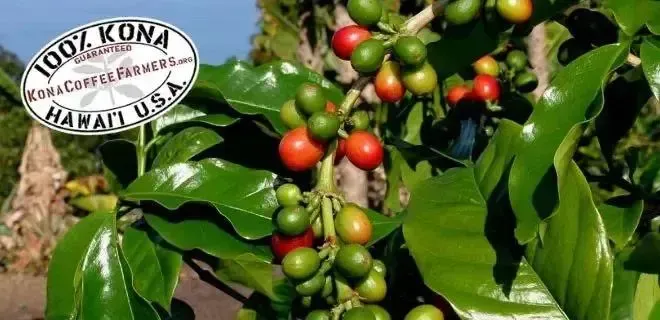
Among them, Kona coffee produced in Hawaii is the most well known. Back then, Jamaican Blue Mountain coffee was called the "emperor of the coffee world," while Hawaii Kona coffee, which is also grown from Typica, was called the "queen of the coffee world."
Such a title is thanks to Hawaii's local geographical environment and climate. Hawaii State is the only island state in the United States, made up of 8 major islands and 124 small islands in the central Pacific Ocean, 3700 km from the U.S. mainland.
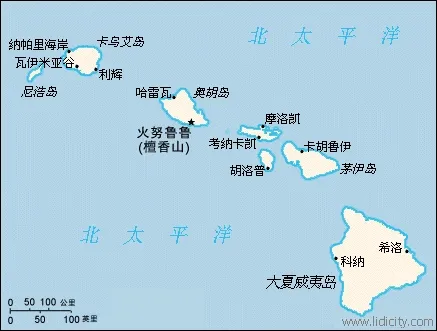
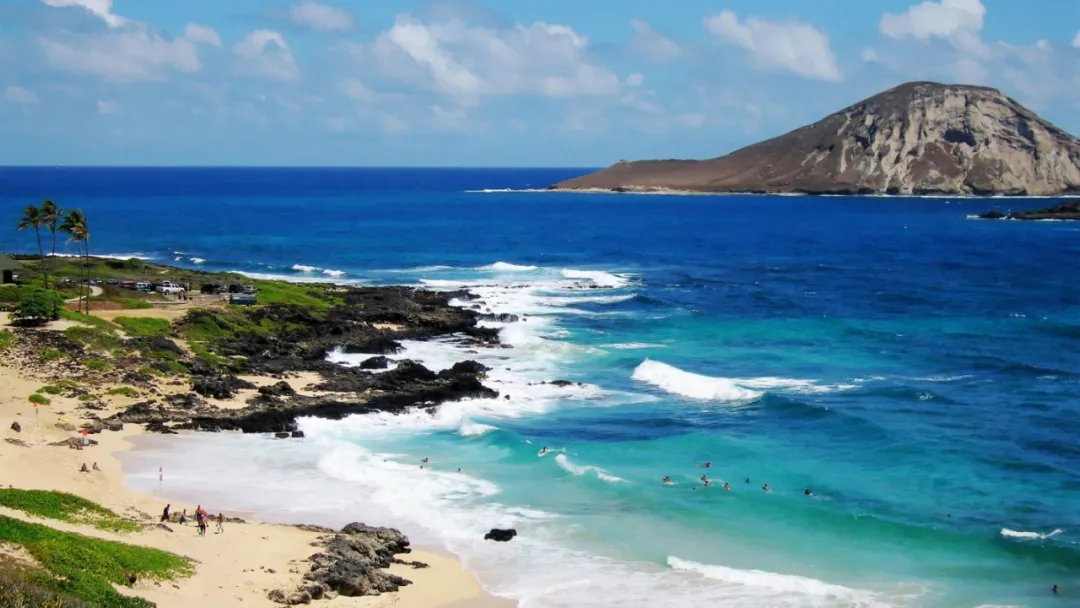
The Hawaiian Islands were formed by volcanic eruptions, and the island of Hawaii is the largest, with 2 active volcanoes and a forest coverage rate of nearly 50%. It has a tropical maritime climate, mild and pleasant year-round, and although the altitude is not high, the coffee it produces is of much higher quality than that of other regions at the same altitude.
The development of Hawaii's coffee industry, however, was full of setbacks. According to records, coffee cultivation in Hawaii can be traced back to the early 19th century, when Hawaii was still a kingdom; the first batch of coffee trees was brought to Oahu, but they failed to grow successfully. Later, in the 1820s, the chief of Oahu, Hawaii introduced the Bourbon variety from Brazil, and only then was coffee successfully cultivated in Hawaii.
Afterward, coffee cultivation began to spread across the various islands of Hawaii and was planted on a large scale on Kauai, but not long after, the arrival of pests nearly wiped out all of Hawaii's coffee trees, leaving only those in the Kona region. It was not until the 1870s that the Typica variety was introduced from Guatemala; this variety quickly adapted to Hawaii's environment, and later more and more people began to grow coffee, and only then did Hawaii's coffee slowly develop.
By the end of the 19th century, the Kingdom of Hawaii was annexed by the United States and became the 50th state of the United States. Later, in the 1930s, the United States experienced the Great Depression, and Hawaii was likewise affected; many coffee estates could no longer continue operating and could only sell their land. Because of the economic environment at the time, they could not afford to hold too large a plot of land and could only divide it into small plots for sale, so in the Kona region of Hawaii there are about 600 or so farms.
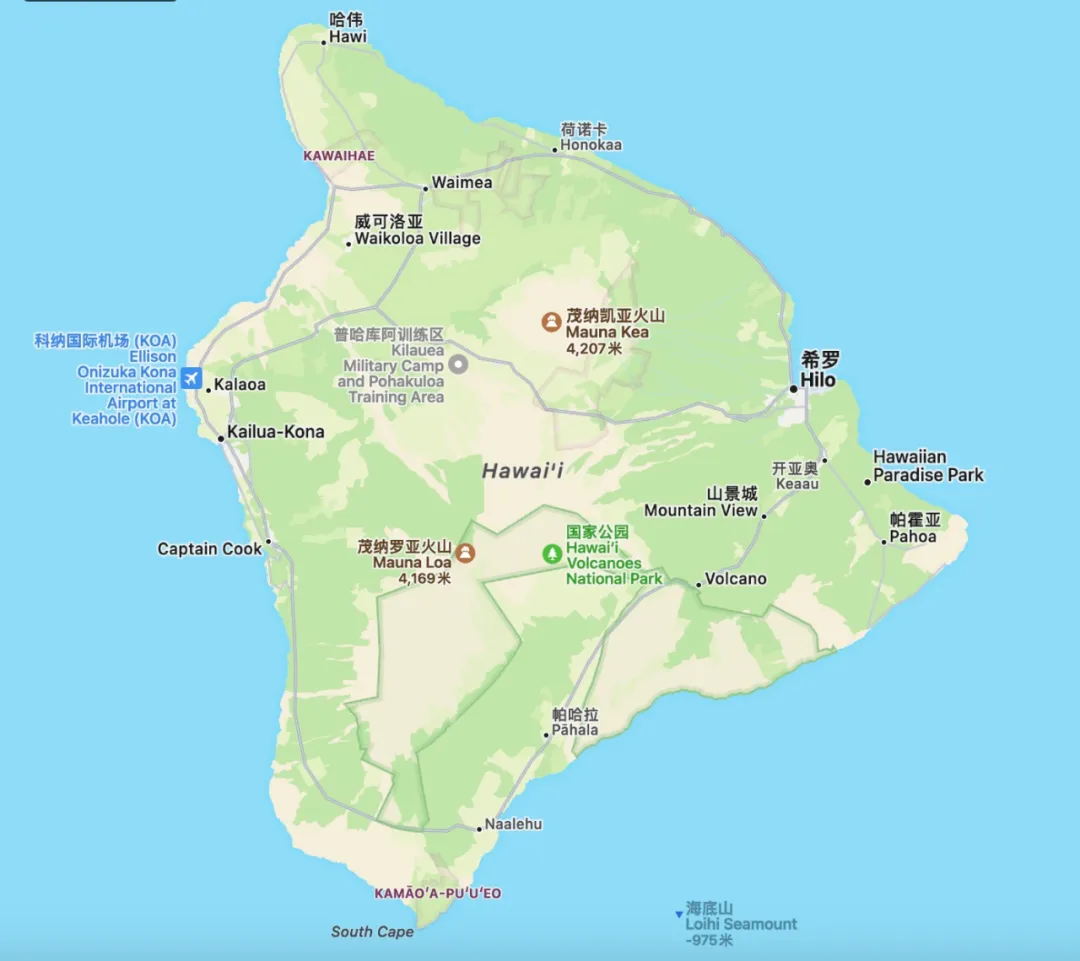
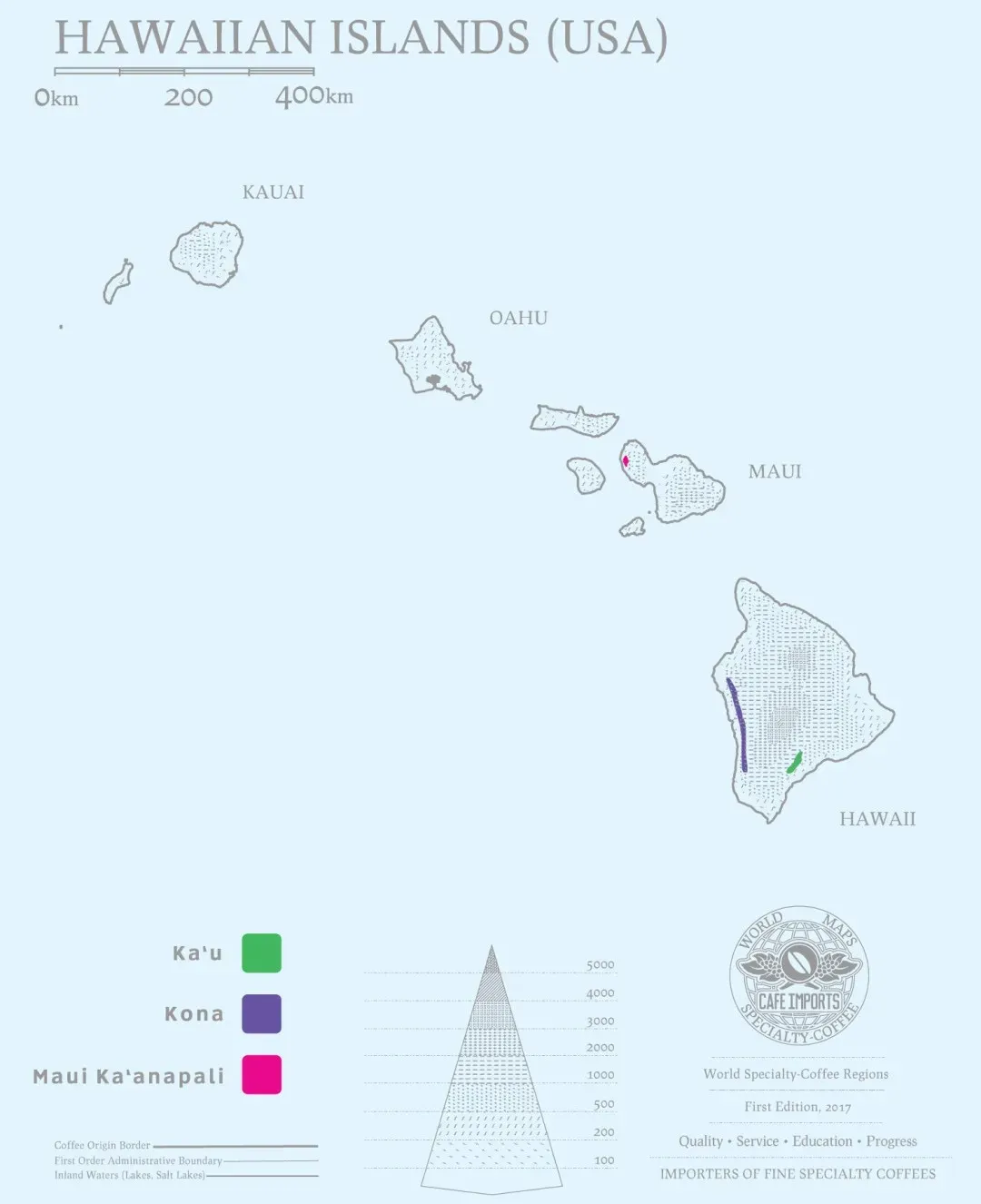
Currently in Hawaii, specialty coffee is mainly grown in Ka'u, Kona and Maui, among which Kona produces more coffee than the other islands, and only coffee produced in this region can be called "Kona" coffee.
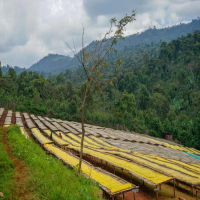
On the western side of the Big Island of Hawaii is the Kona production area, where volcanoes abound. Coffee is mainly grown on the slopes of Mauna Loa, at an altitude of 600-1100 m. On the island of Hawaii, Kona counts as high altitude, so some have tried to transplant Kona's Typica to other islands, but because the other islands are too hot and at too low an altitude, Typica does not grow well and cannot produce the soft acidity and aroma unique to the Kona production area.

At present, because production is relatively low and input costs are relatively high, all these factors piled up, the price has risen accordingly, so Hawaii Kona coffee on the market today is relatively expensive.
Related Reading




Comments (0)
Loading comments...
You May Be Interested



Trending Reviews
Popular Videos

With you, wherever you are! We provide useful features to help you find new things you'll love






