Source:Best Coffee > News Author:qjroot Published:2026-08-20 18:26:18
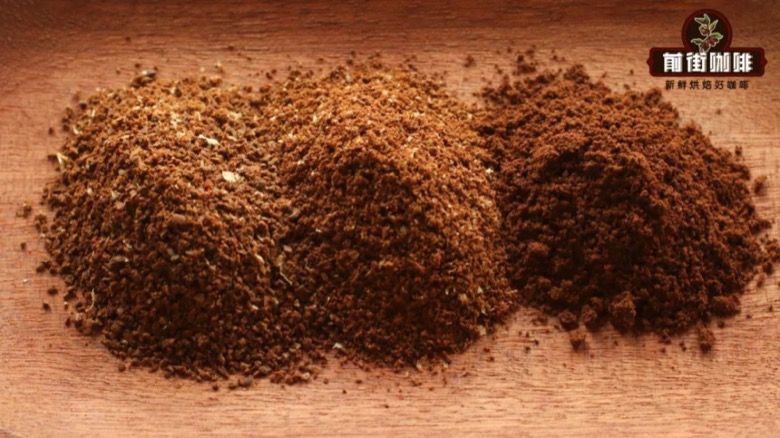
Espresso's demands on grinding are among the highest of the common brewing methods. Even for the same coffee grounds, pour-over already sets a fairly high bar for grind uniformity, while espresso is extracted under high pressure, so the coarseness and uniformity of the grounds are directly reflected in the flow rate and flavor. For home espresso enthusiasts, getting grinding straight can take the consistency of your shots up a notch.
First, a habit worth developing is grinding fresh and using it right away. Once coffee beans are ground, the volatilization and oxidation of aromatic compounds speed up noticeably; grind ahead and let it sit for half a day, and the flavor will be noticeably flatter. Keeping a grinder next to your home espresso machine and grinding only as much as you need each time is an effortless way to ensure full-bodied espresso aroma. If the budget is limited, a hand grinder can also do the job; as long as the grind uniformity is good enough, it can still produce decent espresso.
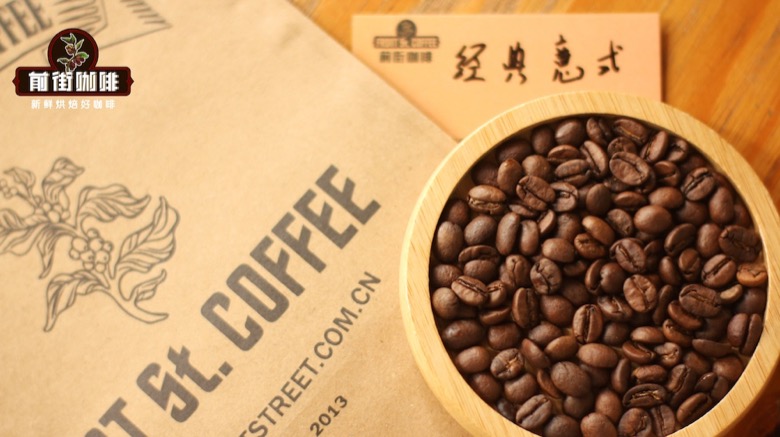
The type of burr in the grinder affects the flavor direction. Flat burrs grind quickly and produce a fairly concentrated particle distribution, with a clear, clean flavor expression, suited to enthusiasts chasing layering; conical burrs generate less heat during grinding and produce particles closer to spherical in shape, and the extracted coffee tastes rounder and fuller. In home settings, either can be chosen; more important is stable grinding quality and fine adjustment steps, so you can find more precise settings when adjusting the grind.
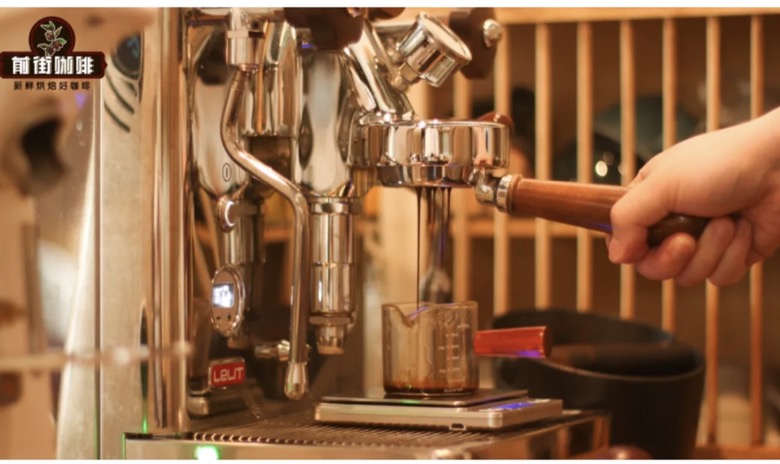
How to judge the grind setting: the most direct method is to watch the extraction flow rate. With the same dose and water temperature, the whole process from pressing the extraction button to the first drop of coffee liquid emerging, and then to reaching the target weight, is best at around 25 to 30 seconds. If the flow is fast and the color is pale, the grind is too coarse, and you can go one to two steps finer; if the flow is slow or even drips with difficulty, the grind is too fine, so coarsen it appropriately. Adjust only a small step at a time, and by observing the flavor changes, you will quickly find the grind range that matches this grinder with this coffee machine.
Some home grinders support single-dose grinding, meaning you put in only one portion of beans each time and stop when done, with no old grounds left behind. This approach greatly helps maintain freshness, and when switching beans, no grounds from the previous bean get mixed in, so the flavor is purer. When using single dosing, you can also give the beans in the hopper a gentle shake before grinding, so the amount fed in each time is more consistent.
Grinding is the part of espresso extraction with the most room for adjustment, and that is where the fun lies. Starting with a grinder that suits your hand, developing the small habits of fresh grinding and single dosing, and then using flow rate as your ruler, your home espresso output will become more and more consistent, and the flavor more dependable.
Related Reading
Comments (0)
Loading comments...
With you, wherever you are! We provide useful features to help you find new things you'll love