Source:Best Coffee > News Author:qjroot Published:2026-09-02 18:38:36
Yirgacheffe is suited to pour-over. Its common floral, citrus, pomelo, white tea and berry notes can reveal different layers as water temperature and flow rate change. To brew these characteristics out, you cannot look only at the region name; you also need to consider your dripper, grinder and drinking habits at home. The brewer determines the water flow path, while the parameters determine the balance of aroma, acidity, sweetness and body.
When using a conical dripper, the water passes through the coffee bed in a more concentrated way, and the extraction reaction is more sensitive. For a lighter roast Yirgacheffe, you can start with a 1:15 coffee-to-water ratio, for example 15 g of ground coffee to 225 g of water, with the water temperature controlled at 91 to 93°C. When pouring in stages, use gentler motions to keep the coffee bed evenly wet; the cup will usually have clearer floral notes and bright acidity.
If your dripper tends to produce a faster flow rate, you can start with a medium-fine grind to avoid the coffee bed being too loose and letting the water run through too quickly. The total time can first be observed between 2 minutes 30 seconds and 3 minutes. A sharp acidity on the palate often indicates insufficient dissolved solids, so you can slightly refine the grind or raise the water temperature by 1°C; if there is a drying sensation in the finish, you can reduce agitation, or let the final pour pass through more quickly.
A flat-bottom dripper distributes water more evenly, and the brewed coffee is often rounder, suitable for people who want Yirgacheffe to retain its aroma while also having soft sweetness. 15 g of coffee can be paired with 240 g of water, at about 90 to 92°C, using two to three pours. The flat-bottom structure is less sensitive to pour height than a conical dripper, making it easier to achieve a stable acidity-sweetness balance in home brewing.
The processing method of Yirgacheffe also affects parameter choices. Washed beans usually have a fresher aroma, and citrus, floral and tea notes are easier to identify, so you can use a slightly higher water temperature and a finer grind. Natural beans have more concentrated fruit aromatics and sweetness, so the water temperature can be slightly lower, and the pouring motion should remain gentle, reducing agitation of the coffee bed to avoid the jam-like sweetness being over-extracted into a heavy or muddled mouthfeel.
When using an immersion dripper with a valve, you can brew Yirgacheffe fuller. First let the ground coffee come into contact with all the hot water, steep for about 1 minute 30 seconds, then open the valve, keeping the total time at around 2 minutes 30 seconds. The water temperature can start at 90°C, and the grind should be slightly coarser than for a conical dripper. This method has lower demands on pouring technique and is suitable for people who want soft floral and fruity notes.
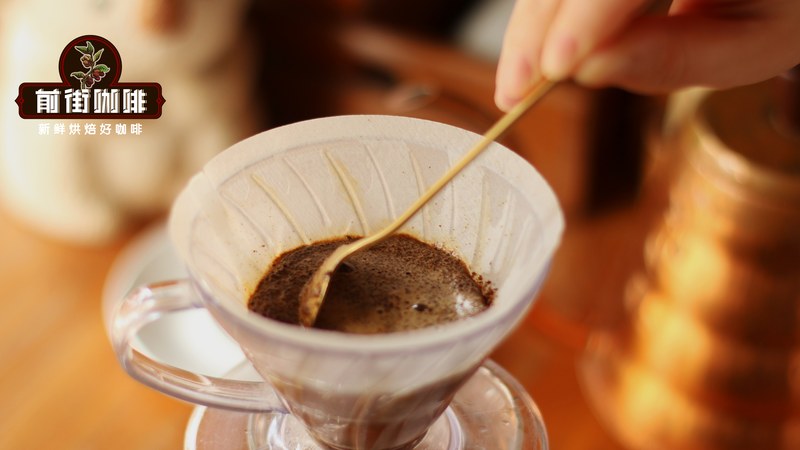
If using a classic conical dripper with ribs, the pouring rhythm will noticeably affect the cup. To highlight aroma, you can use a smaller stream and pour in multiple stages, giving the coffee bed enough time to degas; to make the body sweeter and richer, you can reduce the number of stages and lower the water flow disturbance. Each pour does not need to reach the edge of the filter paper; slowly circling around the center of the coffee grounds makes it easier to maintain even extraction.
The uniformity of the grinder is equally important. Light-roasted Yirgacheffe beans are usually harder, and if the proportion of medium-fine particles is too high, it is easy to get a bright entry with an astringent finish. Before brewing, you can lightly tap the dosing cup to level the coffee bed; after pouring, watch the speed at which the water level drops. If the coffee bed is exposed very quickly, it means the grind or flow rate may be too fast, so adjust gradually in the next cup rather than changing multiple parameters at once.
To understand how different floral and fruity coffees perform in pour-over, you can refer to Qianjie Granja Estate Geisha. It is a natural Geisha, with prominent orange blossom-like aroma and guava, apricot and strawberry jam-like sweetness, suitable for expressing layers with a conical dripper and a slower pouring rhythm. If Yirgacheffe also leans toward floral and fruity notes, you can follow the same approach of low agitation and moderate water temperature, then fine-tune according to acidity and sweetness.
To make Yirgacheffe more suitable for iced pour-over, you can adjust the coffee-to-water ratio to about 1:16, with part of the water placed in the server in advance as ice. Keep the brewing water temperature at around 91°C, grind slightly finer than for regular hot pour-over, and reduce the dilution sensation after the liquid contacts the ice. Chilling makes the floral notes more concentrated and the acidity crisper, suitable for drinking in warmer weather, but you should still base adjustments on whether the sweetness is sufficient.
When choosing, you can work backward from your equipment to the beans: conical drippers suit people who like floral notes and clear acidity, flat-bottom drippers suit people who prefer rounded sweetness, and immersion brewers suit home brewing that seeks simplicity and stability. After buying beans, set the starting temperature based on the roast level and processing method in the instructions, then correct the mouthfeel with grind and pouring speed, and Yirgacheffe can show its own brightness, sweetness and tea-like notes in different brewers.
Related Reading




Comments (0)
Loading comments...
You May Be Interested




Trending Reviews
Popular Videos

With you, wherever you are! We provide useful features to help you find new things you'll love






