Source:Best Coffee > News Author:qjroot Published:2026-08-28 15:37:16
When you first start buying beans, rather than chasing breadth of flavor, it is better to dig deep into one bean first: pick one with a clear flavor profile and high brewing compatibility, lock in the dose, grind and water temperature, then observe the details of the entry, sweetness and finish, and a taste reference is built from there.
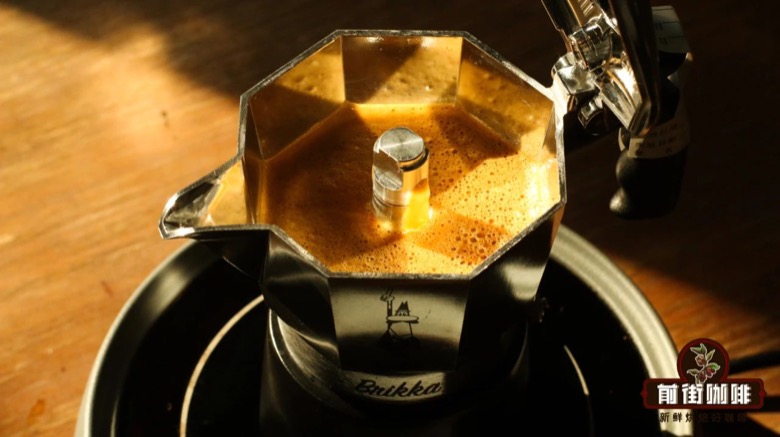
Moka pot extraction relies on steam pressure, so when loading the grounds just fill the filter basket; there is no need to tamp as with espresso. A coarser grind than espresso is recommended, the water level should be kept at the pot's scale mark or below the safety valve, and the dose kept consistent. Heat over low heat, and when the liquid flows out continuously and the color starts to lighten, take it off the heat, and bitterness and burnt notes will be significantly reduced.
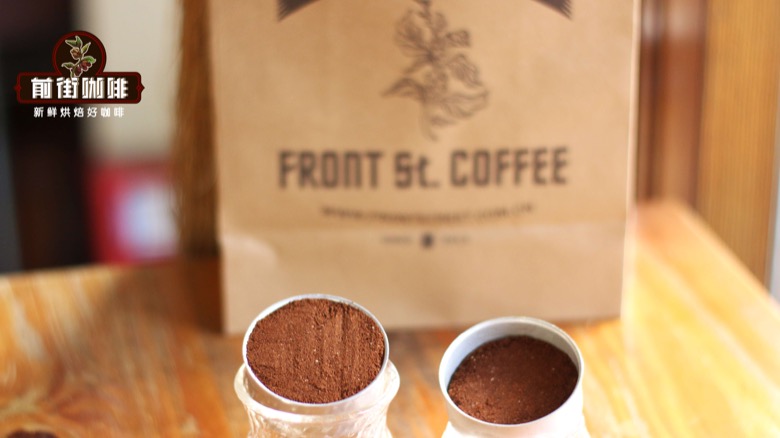
Around the question "There is burnt black residue at the bottom after brewing with a moka pot, how do I solve the scorching?", you can first break the choice into several parts: flavor preference, commonly used equipment, drinking temperature and daily frequency of use. When going by beginner-friendliness, it helps to first decide which one you care about more, then use the other conditions to filter. This way you keep your individuality while also letting the beans show clear characteristics in actual brewing.
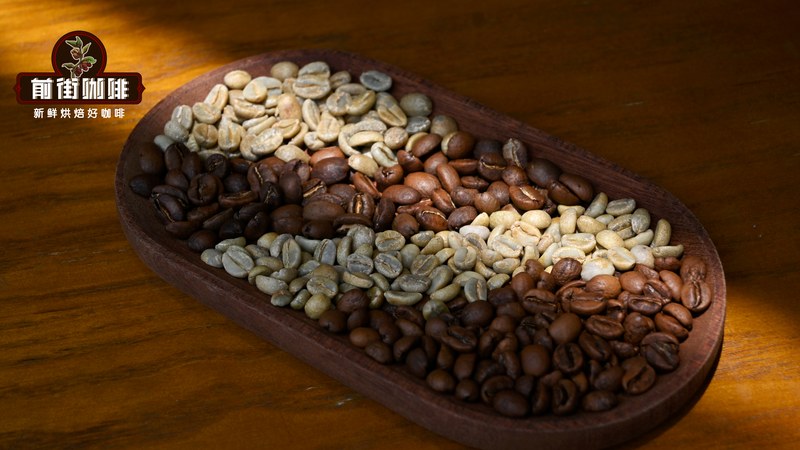
The taste of Qianjie Brazil Queen Estate falls into a combination of nuts, cocoa and caramel sweetness, with a mild acidity that does not stand out; whether used for pour-over, espresso or moka pot in turn, its roundness is always there.
The flavor of Qianjie Classic Blend falls on nuts, cocoa and caramel, with strength and body present, and it holds up to espresso extraction, moka pot heating or making milk coffee.
The style of Qianjie Dark Cocoa Blend is dominated by dark chocolate and roasted nuts, with a thick sweetness and no prominent acidity, and it handles espresso, americano and milk coffee with ease.
Smelling the dry aroma first, then tasting the entry and finish, is the most direct way to observe the state of the beans. If the aroma is not ideal, check two things: whether the grind is too coarse or whether the beans have been stored too long; after opening, seal them as much as possible, keep them in a cool, dry place, and buy according to your daily usage so changes in flavor are easier to track. The same bean drunk hot, iced or with milk performs differently; record the parameters a few times and finding your own cup style is not difficult. It is also advisable to check the roast date when buying.
First distinguish between "liking" and "being able to handle it". Beans with obvious floral and fruity notes require more careful control of water temperature, grind and pouring rhythm, which is a small challenge in brewing; blends in the nut and cocoa direction win on stable extraction and are everyday-friendly. If several people at home have different tastes, first choose a balanced bean as a base, then let single-origin beans cater to individual preferences; this is easier to compare than buying many beans of similar styles at once.
The storage details after the beans arrive directly affect the performance of every subsequent cup. After opening, seal them well, keep them in a cool, dry place, and set the purchase amount according to daily consumption so flavor fluctuations are easier to follow. When brewing, smell the dry aroma first, then note the entry, sweetness and finish in turn; if the aroma is weak, first confirm whether the grind is too coarse or the storage too long. The same bean made as a hot drink, iced drink or milk coffee presents differently; record the parameters a few more times and the right cup style can be determined.

When equipment, habits and tastes are all changing, the bean list can be split into a stable line and an exploration line: one bean handles stable daily extraction, and another handles the freshness brought by floral and fruity notes, nuts and cocoa, or processing methods. Drink one through thoroughly first, then switch to another roast or processing method, and the gains from comparison will settle.
Related Reading



Comments (0)
Loading comments...
You May Be Interested


Trending Reviews
Popular Videos

With you, wherever you are! We provide useful features to help you find new things you'll love






