Source:Best Coffee > News Author:qjroot Published:2025-03-18 15:14:58
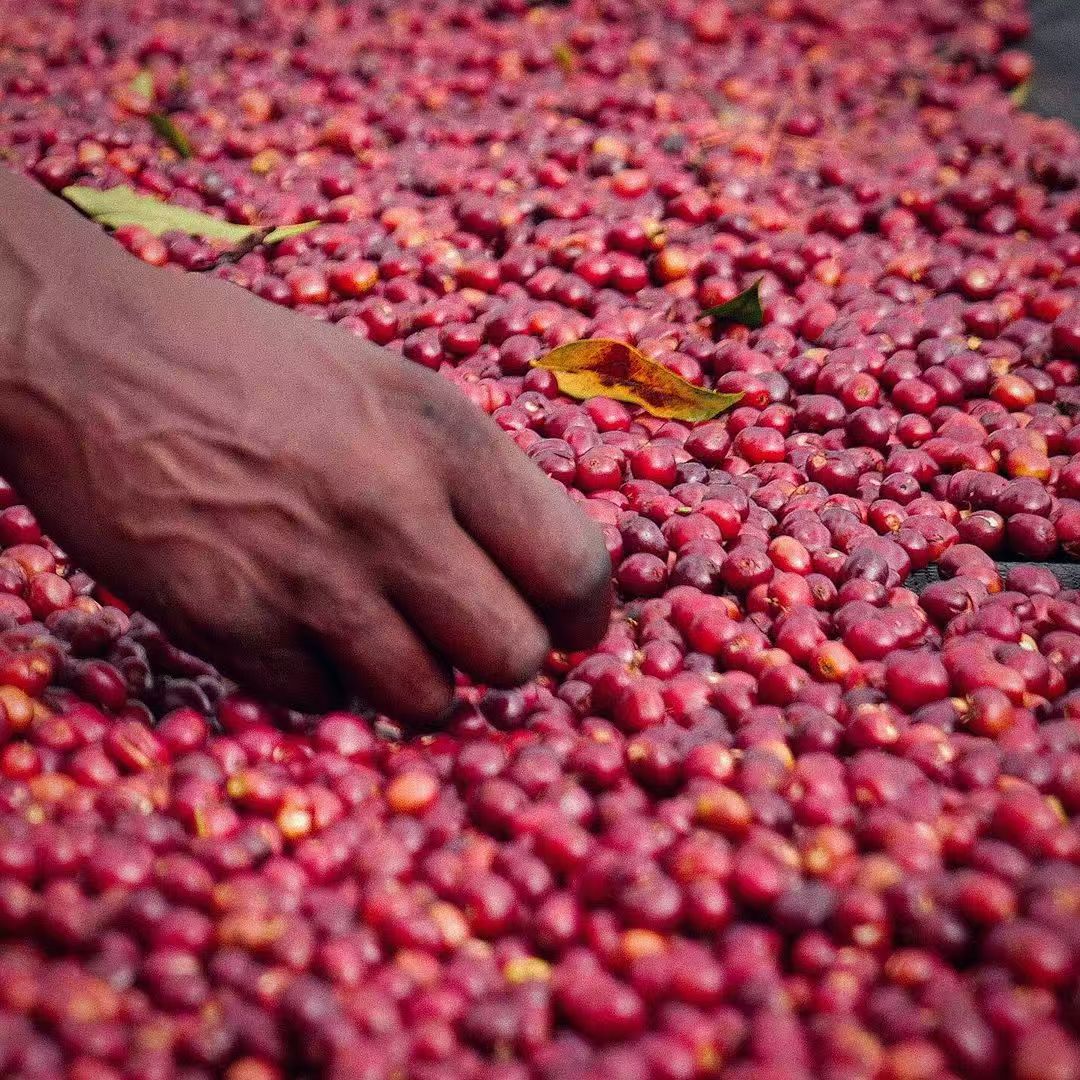
For coffee enthusiasts, Ethiopia is undoubtedly a familiar name. As Africa’s largest Arabica producer, Ethiopia boasts multiple coffee-growing regions, from Sidamo to Yirgacheffe, which are already well-known to many. In recent years, a town called Bensa in Sidamo has gradually gained attention for its coffee’s distinctive floral and fruity aromas. Today, Front Street is introducing this special region—Bensa.
Both the 2020 and 2021 COEs were held in Ethiopia. Among the Sidamo micro-regions featured in the COE rankings, the main four towns are Arbegona, Bensa, Bura, and Bona Zuria. These four towns are geographically very close, all located in the Sidamo highlands. In the 2021 COE Sidamo micro-region rankings, there were a total of five entries, with the champion farm coming from Bensa Town.
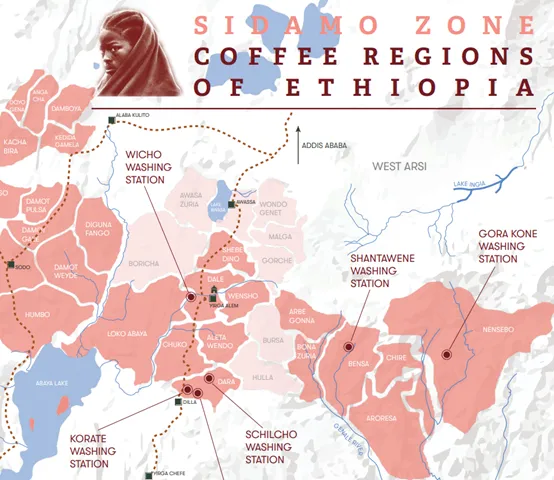
Bensa is located in the Sidamo region of southern Ethiopia, at an altitude of 1800-2300 meters. The high elevation gives the coffee here a richer layered profile. Through cupping, Front Street found that Bensa coffee often exhibits intense tropical fruit acidity and sweetness, with strawberry notes sometimes detectable.
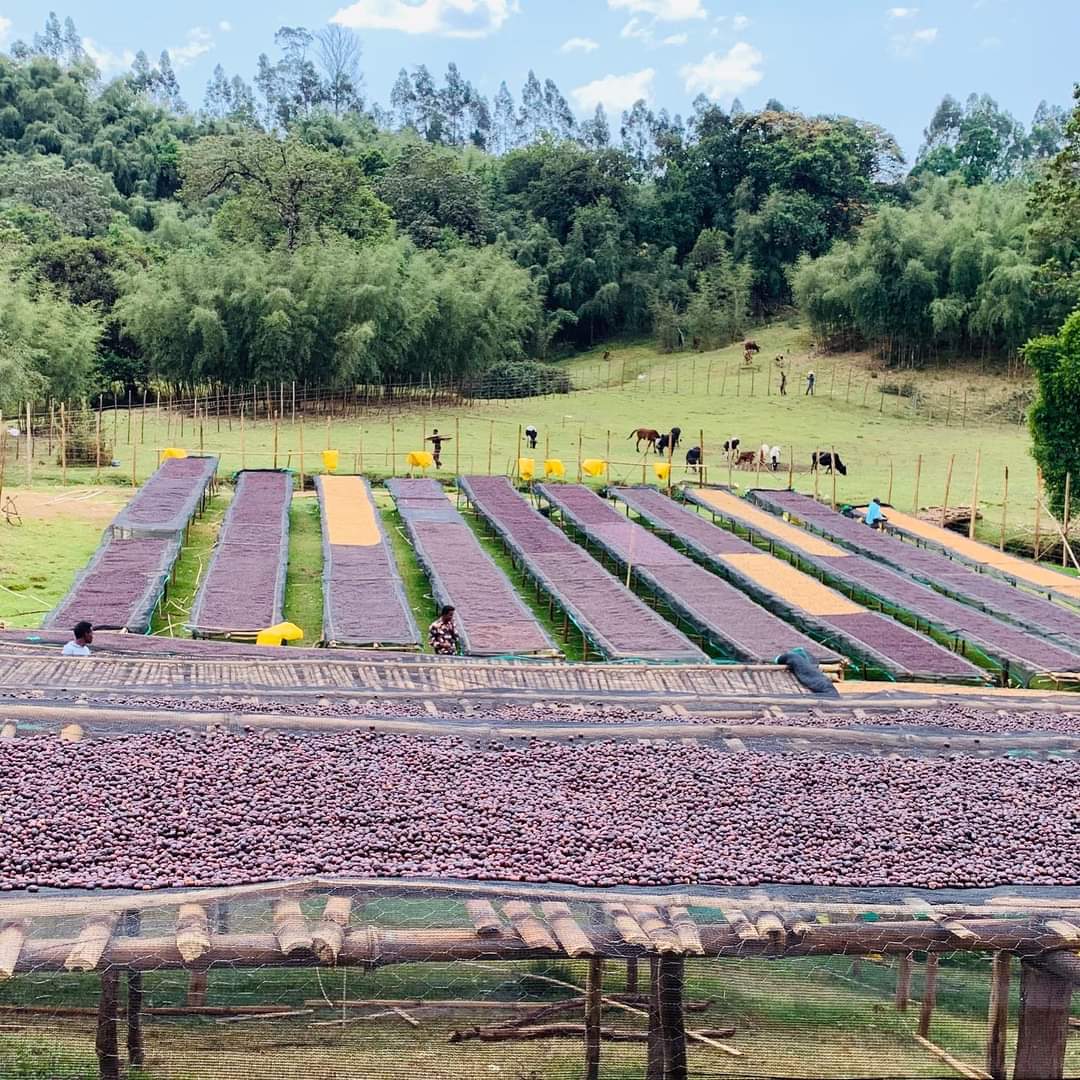
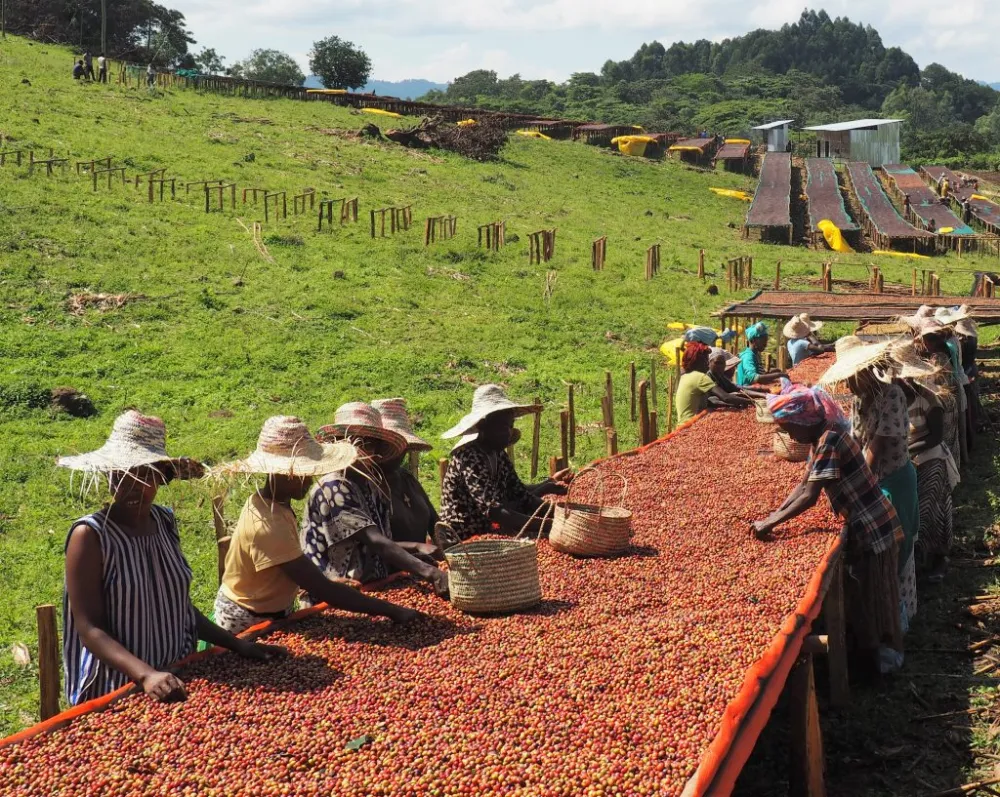
In terms of processing methods, washed, natural, and honey processes are all common for Bensa coffee beans. Among them, washed batches are known for their bright acidity and pleasant aroma. During harvest season, farmers deliver ripe coffee cherries to processing stations, where they are sorted and classified, then depulped. The pulp is fermented, washed with clean water, and then dried on raised beds. Notably, during the initial days of drying, the cherries need to be turned every 2-3 hours. Depending on weather conditions, the beans require 12-15 days of drying until their moisture content drops to 11.5%.
Interestingly, Bensa sounds similar to a type of herbal tea from Guangdong, China, called Ban Sha, but it’s definitely not tea. Bensa coffee beans have a unique and delicate taste, mild yet rich, accompanied by fruity aromas. The smooth mouthfeel and long aftertaste make Bensa coffee beans popular among coffee lovers. Its distinctive flavor and high quality make it a variety worth trying. Front Street’s recently launched Alo coffee comes from this town, processed using the natural method and produced by the renowned green bean supplier Alo Coffee PLC.

Front Street Coffee: Ethiopia · Sidamo Alo Hatessa Natural Coffee Beans
Country: Ethiopia
Region: Sidamo · Bensa Alo Hatessa
Altitude: 2180~2280 meters
Variety: 74158
Grade: G1
Processing Method: Natural
Flavor: Magnolia, Passion Fruit, Pineapple, Mango, Fermented Notes
Ethiopia’s coffee varieties are diverse. Broadly categorized, they fall into two types: traditional regional landraces and numbered coffee varieties developed by JARC (Jimma Agricultural Research Center). Common regional varieties in Sidamo include Dega, Wolisho, and Kurume. In the 2020 and 2021 COEs, most of the Sidamo varieties that made the rankings were JARC-numbered coffees. The 2020 COE champion from Bura Town, Sidamo, was the 74158 variety, while the 2021 COE champion from Bensa Town, Sidamo, was the 74165 variety.
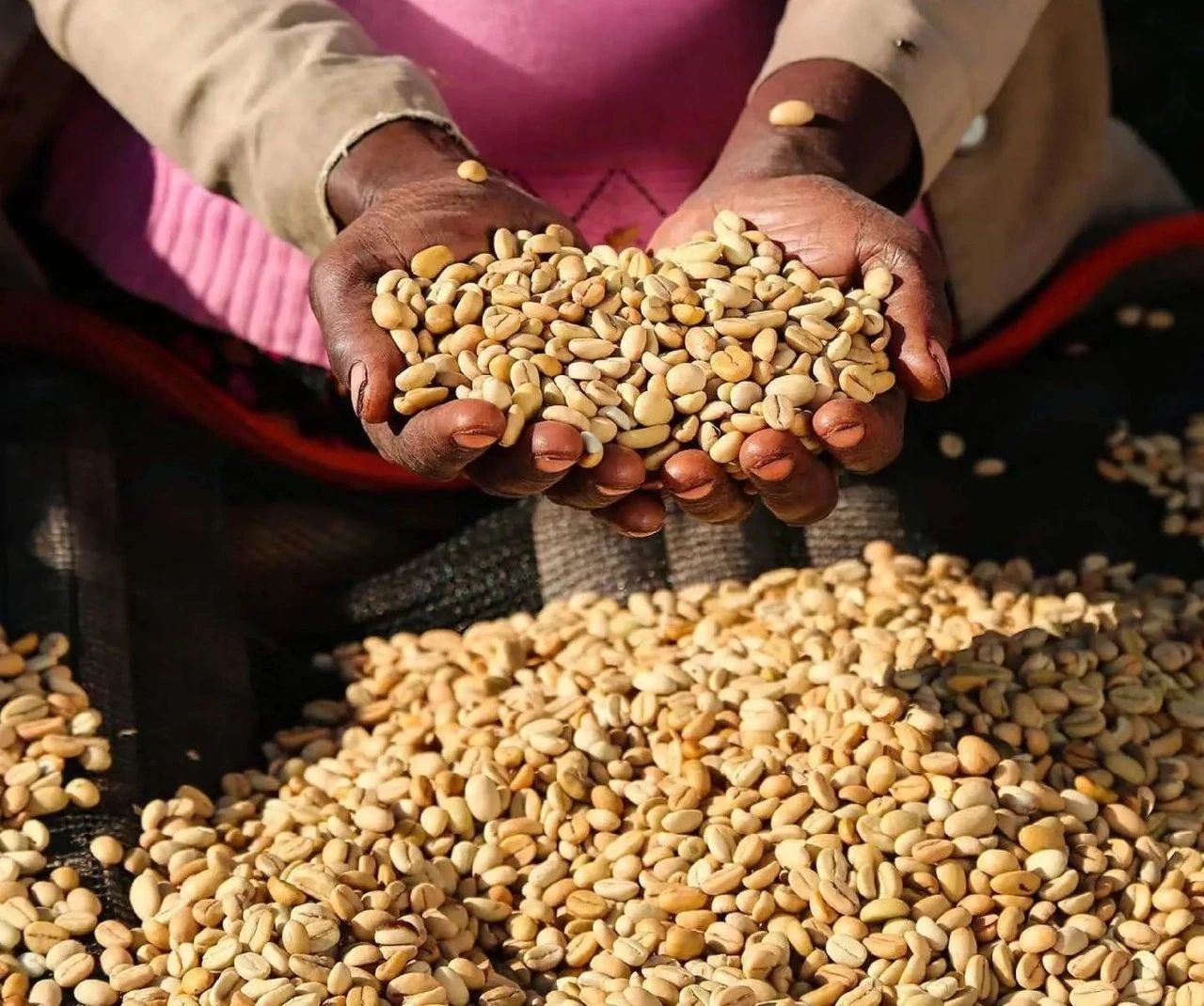
The batch acquired by Front Street this time comes from the Hatessa processing station under Alo Coffee (displayed as “Hatesa” on Google Maps), a small village located 23 kilometers south of Alo Village. The fresh coffee cherries were processed using the traditional natural method.Before the actual sun-drying, farmers handpick fully ripe coffee cherries, transport them to the Hatessa processing station, and conduct an initial round of sorting. Before washing, the cherries are further classified by observing their skin color to remove overripe or underripe ones, ensuring uniform ripeness before sun-drying.
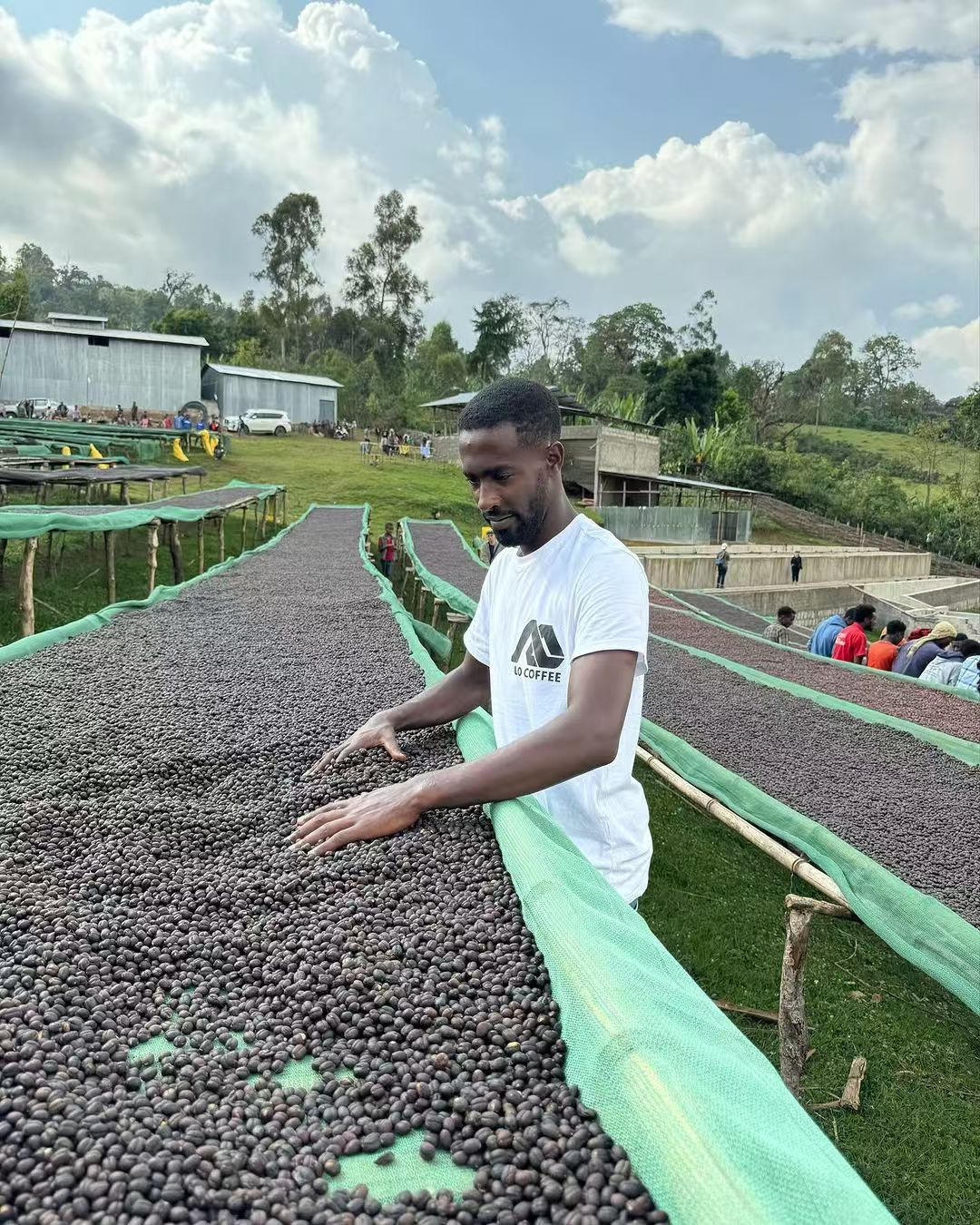
For natural process coffee, farmers responsible for post-harvest processing need to turn the cherries on the drying beds very frequently during the first three days, as the coffee cherries have high moisture content at this stage. If not turned in time, they can easily develop mold or unpleasant acidic or rotten fruit flavors due to uneven heating. Throughout the process, the fresh cherries are spread in a very thin layer to ensure better ventilation and drying. After 14-18 days, when the moisture content reaches the target level, the beans are bagged and sent to the warehouse.
Through comparison, Front Street observed that the green beans from the Hatessa natural batch are mostly smaller in size, with a round, mini appearance, roughly sized between 10 and 12 mesh. For this bean, Front Street aimed to highlight its sweet, ripe fruit character while preserving more of its floral notes. A medium-light roast was chosen to showcase the elegant profile of this Alo coffee.
Related Reading


Comments (0)
Loading comments...
You May Be Interested





Trending Reviews
Popular Videos

With you, wherever you are! We provide useful features to help you find new things you'll love






