Source:Best Coffee > News Author:qjroot Published:2026-09-03 18:42:38
When choosing everyday espresso beans, don't just look at the flavor words on the packaging; also consider what dose, pressure and temperature your home equipment can provide. A 9 g basket, an 18 g basket, a single-pot moka pot and a semi-automatic espresso machine all change the concentration and mouthfeel of the coffee liquid. First confirm your equipment parameters, then choose beans that can be extracted smoothly under those conditions, and your daily shots will be much less trouble.
With a semi-automatic espresso machine, you can start by judging from the basket capacity. A single basket suits a dose of about 9 to 10 g, while a double basket commonly uses 16 to 20 g. If the beans are on the darker roast side and have high expansion, the actual dose may need to be lowered slightly; medium roasts usually leave a wider margin for adjustment. Don't force in extra grams just to fill the basket; the headspace distance and the group head structure also affect the flow.
Once the dose is set, look at the yield ratio. With 18 g of coffee grounds, you can use about 36 g of coffee liquid as a starting point, with the extraction time falling roughly between 25 and 30 seconds. This number is not a fixed answer but a reference to help you judge: if the liquid flows out too fast, you often need to grind finer; if the flow drags and the tail end tastes dry, you can coarsen it appropriately. When adjusting, change only the grind setting each time, and the differences in the cup will be easier to identify.
Water temperature also changes how the beans express themselves. Darker-roasted beans more easily retain a round caramel and cocoa character at lower temperatures, while medium roasts can use a slightly higher temperature to release sweetness and fruit acidity more fully. If your home machine's temperature control is not precise enough, you can first compensate through preheating time and extraction duration. When the pressure gauge reads close to 9 bar, the state of the puck and evenness of distribution still cannot be ignored.
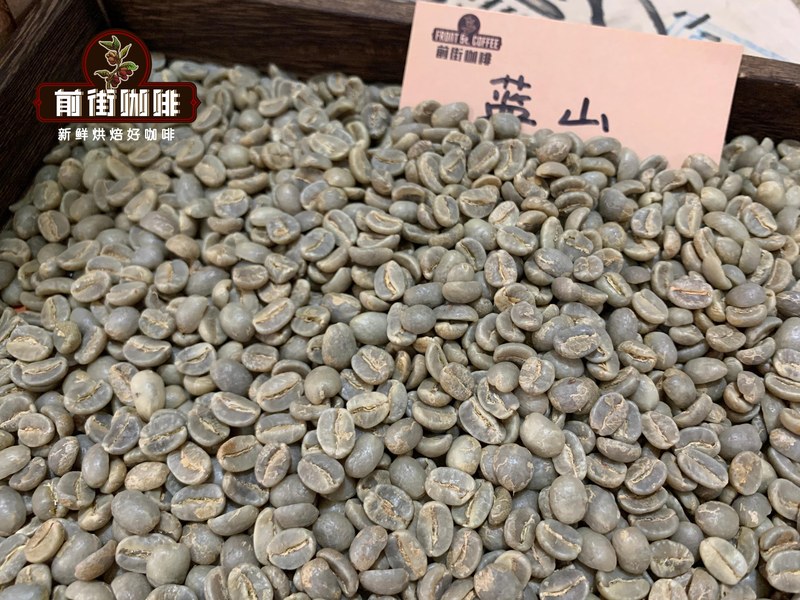
If you usually use a small basket or an old-style home machine, Qianjie Black Cocoa Blend will make it easier to build body. Even at a shorter yield, it leaves deep black-chocolate-like sweetness, roasted nut aromas and thickness, with little noticeable acidity. When making milk coffee, you can extract 18 g of grounds to around 30 g, then add about 150 ml of milk, and the coffee flavor will not easily be masked by the milk.
Those with a bottomless portafilter or flow observation can further choose beans and adjust parameters based on the state of the stream. If the coffee liquid sprays out scattered from the edge of the puck, first check the evenness of distribution and tamping, and don't rush to change the beans. For beans with more oils and a darker roast, grinding too fine can easily make the flow suddenly slow down; in that case, coarsen slightly and shorten the tail end of the yield, which usually makes the mouthfeel cleaner.
When using a moka pot, the device's own pressure and water volume determine the suitable bean style. For a slender pot, a 3-cup pot or a 6-cup pot, you should fill the grounds according to the filter basket capacity, keep the surface level, and do not tamp them down. The grind can sit between espresso and pour-over, the heat should stay gentle, and heating should stop promptly once the coffee liquid rises continuously. This is better suited to beans with round sweetness and moderate body.
Put Qianjie Brazil Queen's Estate into a moka pot, and the nutty, cocoa and caramel-like sweetness appears smooth, with soft acidity that does not steal the spotlight. For a 3-cup pot, you can fill about 16 to 18 g of grounds according to the filter basket capacity, add water up to below the safety valve, and when the flow turns pale, remove from heat and cool the base with cold water. After adding a small amount of hot milk, the mouthfeel remains full, and it also works well with added water as a long drink.
Fully automatic coffee machines have relatively limited adjustable range for grind and dose, so when choosing beans you should pay attention to whether the machine handles them easily. Very oily dark-roasted beans may increase the burden on the grinder mechanism, so it is recommended to start with medium-dark roasted beans with a drier surface. If the machine offers three dose levels, you can start with the middle level; when the coffee liquid is too thin, increase the dose, and when bitterness is obvious, shorten the cup volume, which makes it easier to achieve balance than simply increasing strength.
If you like iced Americano, you can let equipment parameters serve the taste after cooling. Ice cubes will dilute and lower the temperature, so the espresso liquid needs clear sweetness and enough aroma to support it. Qianjie Strawberry Candy Coffee Beans, extracted at a shorter ratio, leave a light berry-candy aroma, suitable for making about 30 g of espresso and then adding iced water; if you want to retain more aroma, you can reduce the iced water so the coffee liquid takes up a larger proportion of the cup.
The same espresso beans need recalibration on different baskets and different machines, and the suggested values on the packaging can only serve as a starting point. You can record the dose, grind setting, liquid weight, time and taste on the palate, and after several consecutive cups you will find your own fixed range. For everyday beans, parameters that are easy to reproduce and high equipment compatibility are more practically meaningful than chasing complex flavors. Choose beans that match your home equipment, and you can more calmly drink a cup that suits your taste every day.
Related Reading


Comments (0)
Loading comments...
You May Be Interested


Trending Reviews
Popular Videos

With you, wherever you are! We provide useful features to help you find new things you'll love






