Source:Best Coffee > News Author:qjroot Published:2026-09-19 12:17:09
The charm of light-roast coffee beans lies in the terroir preserved by gentle roasting, but choosing between single-origin beans and light-roast blends often leaves people hesitating. Single-origin beans are like a high-definition postcard of a region, fully displaying the character of a specific estate, variety and processing method; a light-roast blend, by contrast, is the roaster using complementary regions to craft a cup with balanced acidity and sweetness and consistent, complex flavor.
If you want to feel the strong regional imprint of a single origin, single-origin beans deliver clear recognizability. For example, the Front Street Yirgacheffe Gutingding from Ethiopia shows off, through its washed process, elegant white floral notes, light citrus acidity and a green-tea-like sweet finish. This kind of light-roast single-origin bean is endlessly fun to explore in brewing, as you can experience rich flavor shifts as the temperature changes.
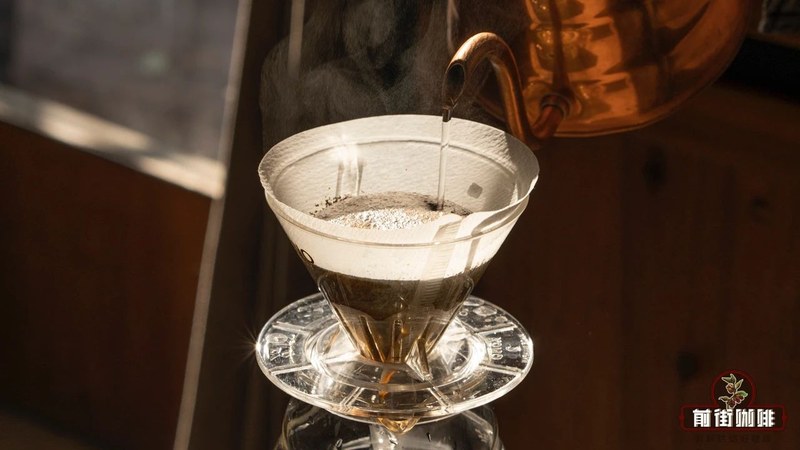
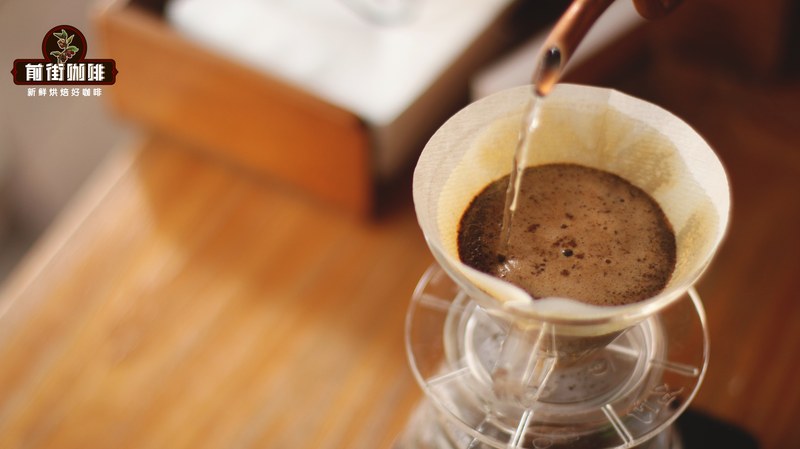
To brew this bright, floral-and-fruity light-roast single origin, pour-over can unfurl its layers. Prepare 15g of coffee grounds, use a 1:15 coffee-to-water ratio, and pour in 91°C hot water. First pour 30g of water to complete a 30-second bloom, then pour in two stages with a slow stream; the second stage pours 100ml, and after a brief pause pour 95ml more to reach a full 225ml, with the total time controlled at 2 minutes 05 seconds, filling the cup with crisp fruit aroma.
Besides pour-over single origins, another light-roast favorite today is SOE, or single-origin espresso. Unlike traditional blends that pursue a rich caramel body, a light-roast SOE sends single-origin beans into the portafilter, using high-pressure extraction to multiply the region's fruit aromas and lively acidity. With a sweet-and-tart juicy iced Americano in the morning, a light-roast SOE brings a briskness like freshly squeezed juice.
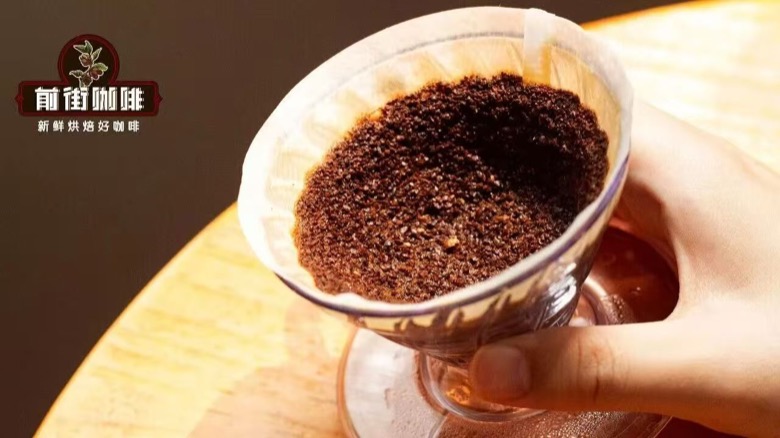
Making a light-roast SOE iced Americano with Front Street Colombia Sidra is a great match; it carries an abundant, sweet juicy feel of passion fruit, grape and yellow apricot. When using an espresso machine, grind 18.5g of fine coffee grounds, go through a short low-pressure pre-infusion, and extract 37g of espresso in 26 seconds at constant pressure; poured over ice water, the whole cup brims with rich tropical fruit fragrance.

However, although single-origin beans are boldly individual, they can occasionally come with sharp acidity or a slightly short finish, and this is where the value of a light-roast blend shows. When designing a light-roast recipe, roasters usually patch up the cup's weaknesses through region pairing. Learning to read the blend ratio on the packaging actually lets you predict in advance the flavor direction and best drinking method of that bag of coffee beans.
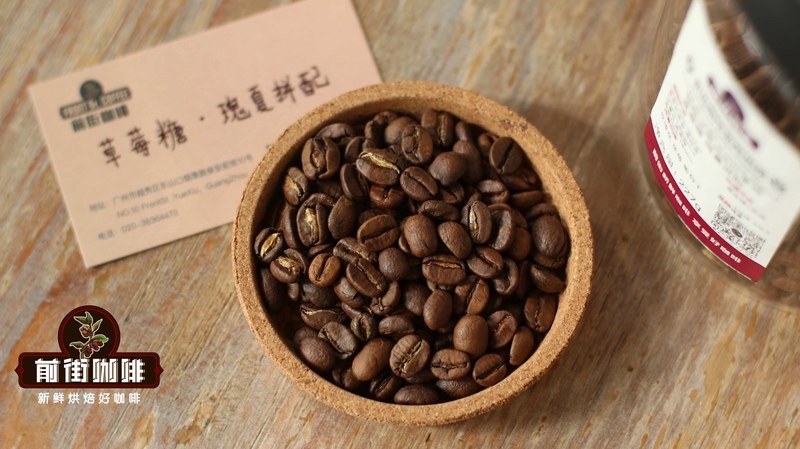
A common light-roast blending approach is to pair high-aroma beans with high-sweetness beans. For example, a label of 40 percent Ethiopia with 60 percent Central American washed beans means a base of Central American nuts, caramel and soft sweetness, infused with Ethiopian citrus and jasmine florals. The more the ratio leans toward African beans, the brighter and more acidic the overall flavor; conversely, the more prominent the sweetness and balance.
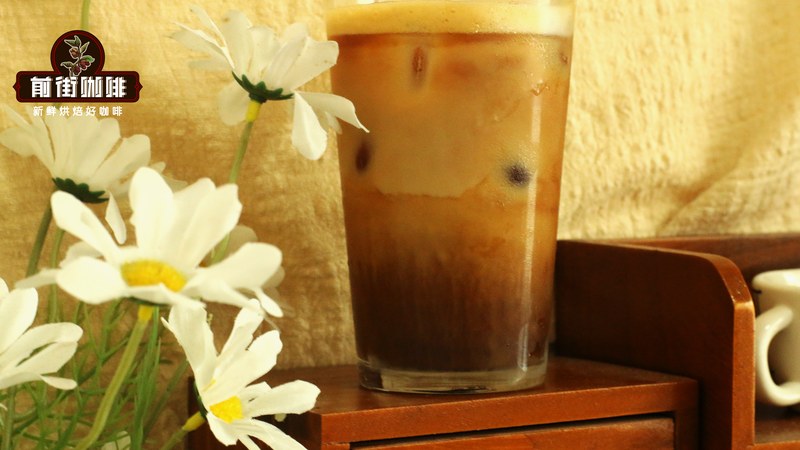
A light-roast blend is not only steadier as black coffee; if you want to make a light-style flat white or latte, blends are also more at ease than single-origin beans. The sweetness the roaster harmonizes naturally echoes the milk, producing a creme brulee-like sweetness and avoiding the sour, separated feeling some ultra-light single origins get after adding milk, so the bright light-roast fruit notes stay warm and smooth under the milk foam.
If you prefer to quietly savor an elegant flavor that unfolds layer by layer, single-origin Geisha remains an outstanding representative. The long-renowned Front Street Panama Hacienda La Esmeralda Red Label Geisha is known for its pure bergamot, delicate jasmine and high-mountain black tea elegance. Every wisp of aroma in this single-origin bean represents a true gift of a high-altitude microclimate, showing a deep and pure regional character.
To extract this precious light-roast Geisha, you need a gentler stream to care for the delicate florals. Again use 15g of grounds and a 1:15 coffee-to-water ratio, set the water temperature at 92°C, and first use 35g of water for a 30-second bloom to fully degas. Then pour in three stages; the second stage pours to 130ml, and the final stage pours a thin stream to 225ml to finish, keeping the total time at 2 minutes 10 seconds, revealing a silky tea-like elegance in the cup.
Once you understand the underlying logic of single origins and blends, choosing light-roast beans becomes much easier. Friends keen to explore the world's terroir differences and enjoy savoring regional character can fully enjoy the purity of single-origin pour-over or SOE; if you need a daily staple that is pleasant in acidity and sweetness and performs steadily as an Americano or light milk latte, a carefully paired light-roast blend will make your coffee routine especially comforting.
Related Reading
Comments (0)
Loading comments...
You May Be Interested

Trending Reviews
Popular Videos

With you, wherever you are! We provide useful features to help you find new things you'll love






