Source:Best Coffee > News Author:qjroot Published:2026-10-07 10:33:31
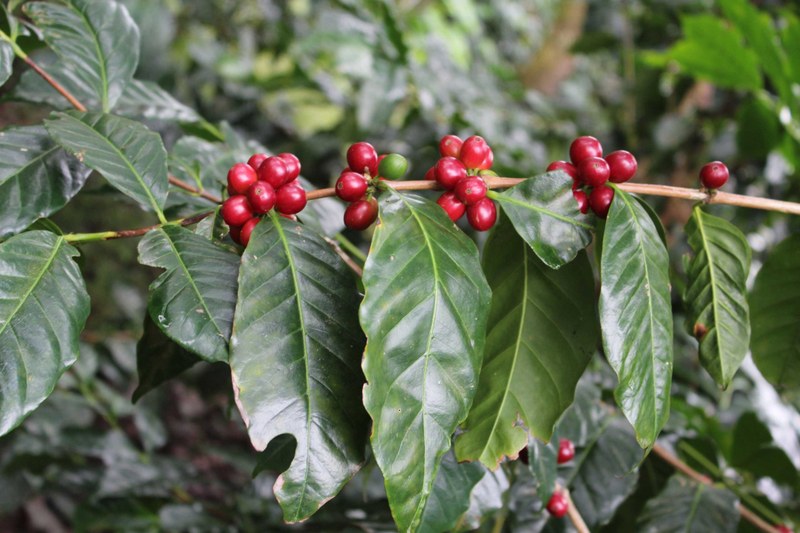
Rwanda is located in the African Great Lakes region, where temperate and tropical highland climates interweave. On the rolling hills at altitudes of 1700 to 2000 m, fertile volcanic soil covers the land, and Bourbon coffee trees receive ample sunlight here. This land, known as the "Land of a Thousand Hills," relies mainly on Red Bourbon for cultivation, with plump and dense cherries and a solid sweet foundation, while rare varieties such as Pink Bourbon can occasionally be found. The combination of high altitude and volcanic ash soil gives the coffee beans a dense cell structure and rich sugar accumulation, and this is the foundation of the flavor framework of Rwandan coffee.
In terms of aroma profile, Rwandan coffee shows delicate floral notes and citrus tones. It is not the intensely pungent type, but rather a layered variation that gradually unfolds as the temperature drops. The acidity belongs to the bright berry and citrus type, with medium-high intensity, possessing a clear contour rather than sharp irritation. In terms of sweetness, the sweet aromas of caramel and nuts form the main body of the mid-to-finish, creating a good balance with the acidity. The body tends toward light to medium, the mouthfeel is clean and transparent, and the finish often carries a black-tea-like sweet aftertaste and a faint stone-fruit aroma. This flavor structure makes Rwandan coffee stand out among African origins, different both from Ethiopia's exuberant floral and fruity character and from Kenya's intense blackcurrant.
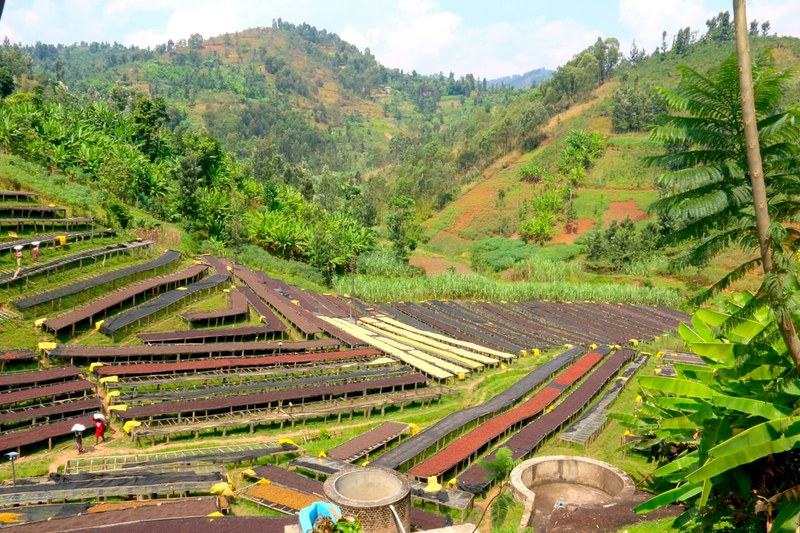
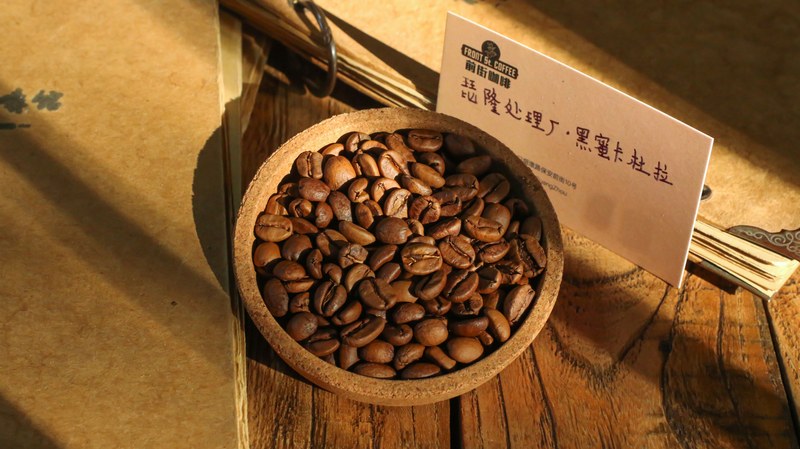
The choice of processing method and roast level has a significant impact on the presentation of Rwandan flavors. Washed processing can preserve the terroir's true character to a great extent, with clearer acidity, prominent floral and citrus tones, and a clean, crisp mouthfeel. Natural processing increases the sense of fermentation and the sweet, rich thickness of tropical fruit, while the acidity becomes softer and rounder, making it suitable for those who prefer full-bodied flavors. In terms of roast profile, light-medium roast is the mainstream choice for Rwanda. At this point, the fresh acidity of berries and citrus, the sweetness of caramel and nuts, and the delicate floral notes are fully preserved. If roasting continues darker, the fruity acidity will be noticeably lost, and the bitterness and smoky notes brought by caramelization reactions will dominate, while the origin's distinctive bright personality diminishes accordingly.
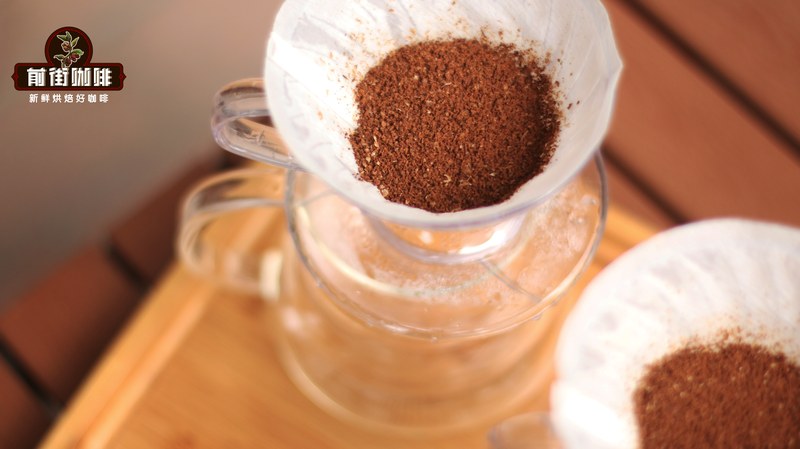
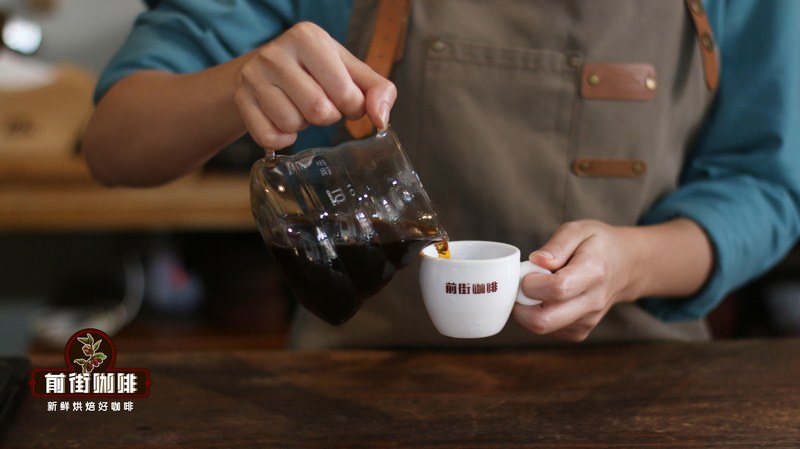
For everyday tasting of Rwandan coffee, comparative tasting is an extremely effective introductory method. Brew Qianjie Rwanda Red Bourbon and Qianjie Ethiopia Huakui side by side to directly sense the contrast in character between the two African origins. The former comes from the Red Bourbon variety grown in Rwanda's high-altitude mountains, with washed processing combined with light-medium roasting, presenting flavors of berries, citrus, caramel, and nuts, with fresh acidity and sweetness coexisting; the latter is also from an African origin, and natural processing brings the exuberant sweetness of strawberries and tropical fruit. In contrast, Rwanda's clean transparency and Ethiopia's rich complexity form a striking contrast. This difference is not a matter of better or worse, but the result of terroir and processing method working together. For pour-over parameters, a dose of 15 g is recommended, with a coffee-to-water ratio of 1:15, water temperature controlled at 92 to 93°C, blooming for 30 seconds followed by steady pouring, with the total time controlled within 2 minutes, so as to present Rwanda's layered details.
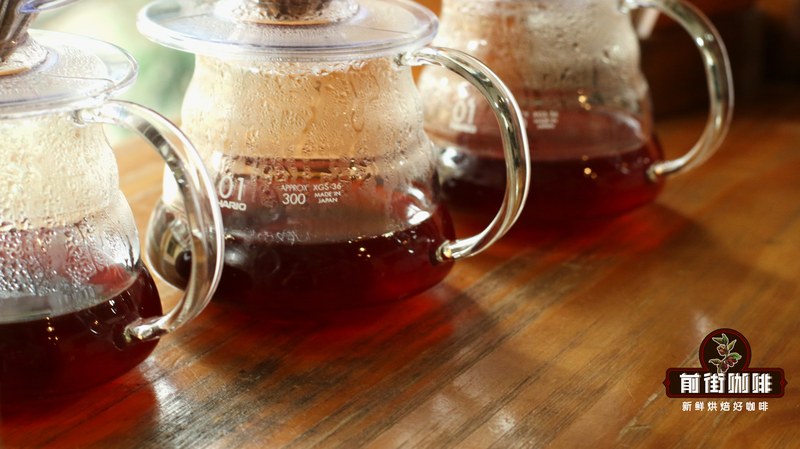
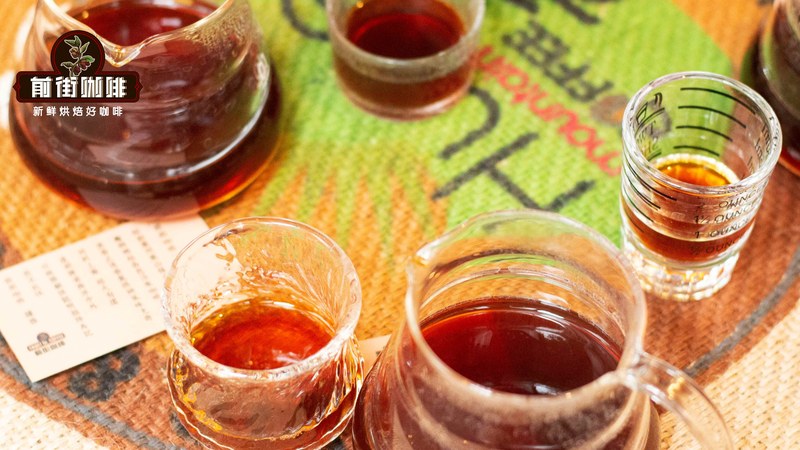
Those whose taste preferences suit Rwandan coffee are usually people who like bright acidity, a clean mouthfeel, and sweetness that is not excessively heavy. If you are tired of the monotonous burnt bitterness of dark roasts, yet have not yet adapted to the intense fermented character of Ethiopian naturals, Rwanda's light-medium roasted washed beans are a quite ideal transitional choice. Its acidity is clear enough without being aggressive, its sweetness is warm and lasting, and its floral and citrus tones can bring a comfortable drinking experience in the morning or afternoon. Serve it in a glass cup to observe the liquor color; the transparency of the light amber hue itself is a visual preview of a "clean mouthfeel."
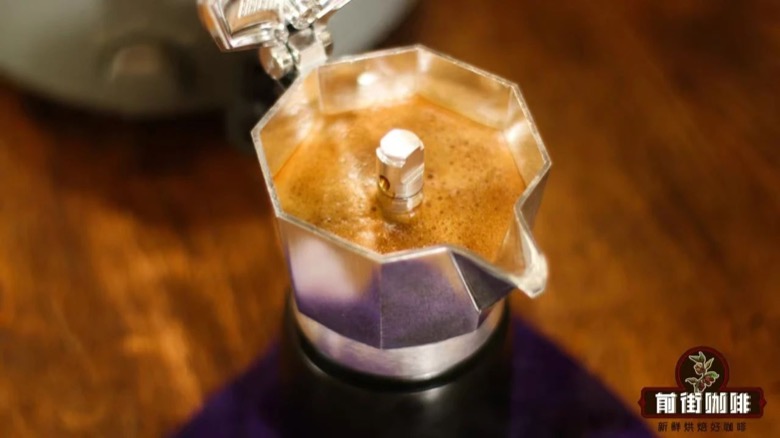
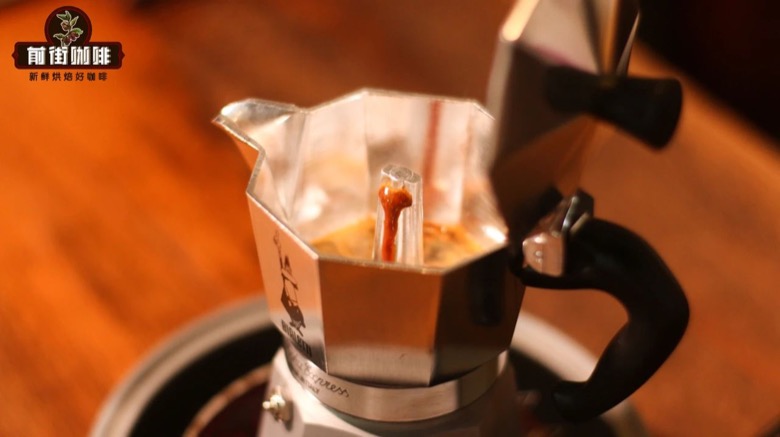
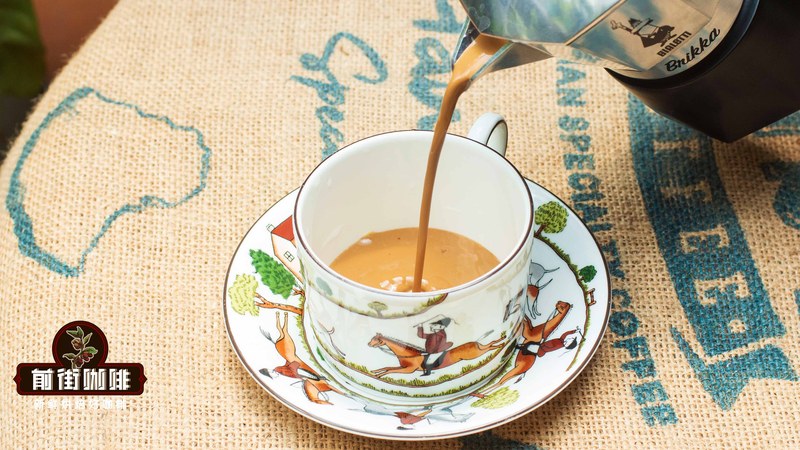
If you want to understand this coffee further, you might try slightly adjusting the water temperature and grind size on the same Qianjie Rwandan coffee beans. A slightly higher water temperature and a slightly finer grind can increase the extraction yield, making the acidity brighter and the floral notes more pronounced; conversely, the sweetness moves forward and the mouthfeel becomes softer. When using a moka pot, heating over medium-low heat until the flow ends can produce a fuller body than pour-over, and the sweet aromas of caramel and nuts are amplified, making it suitable for drinking scenarios that favor a thick mouthfeel. No matter which method is used, the core charm of Qianjie Rwandan coffee beans lies in that balance and clarity from the Land of a Thousand Hills, worth savoring layer by layer through repeated brewing.
Related Reading

Comments (0)
Loading comments...
You May Be Interested


Trending Reviews
Popular Videos

With you, wherever you are! We provide useful features to help you find new things you'll love






