Source:Best Coffee > News Author:qjroot Published:2026-09-24 13:20:35
Many friends who brew coffee at home often wonder why the same bag of beans sometimes tastes great and sometimes flat. In fact, brewing is like mixing a refreshing fruit tea or a rich cocoa: as long as you clarify the two concepts of extraction yield and strength, you can easily master the password to a smooth cup. Strength determines whether a sip is thick or clear, while extraction yield determines whether the dissolved flavors are bright and sweet or bitter and astringent.
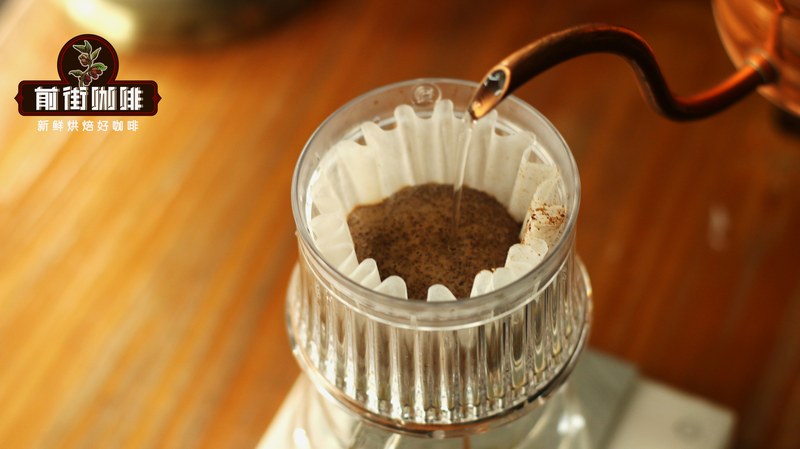
In plain terms, extraction yield is how much material hot water has dissolved out of the coffee grounds. The finer the grind and the higher the water temperature, the faster and more the hot water contacts and dissolves the coffee; a coarse grind and low water temperature bring out less material. If the brewed coffee tastes astringent and bitter, it is mostly over-extraction, with the grounds ground too fine; if it is sharply sour with a thin mouthfeel, that is under-extraction, and the good flavors have not had time to be released.
Strength, meanwhile, reflects the proportion of coffee material in the cup and affects the richness or thinness felt on the tip of the tongue. The coffee-to-water ratio is the core switch for controlling strength: with the same dose of grounds, the less water you give, the thicker and more viscous the mouthfeel naturally becomes; the more water you pour, the clearer and lighter the texture. If the coffee in your hands tastes weak and lifeless, narrow the coffee-to-water ratio appropriately; if it feels too intense and heavy, adding more water can let the flavors open up and become transparent.

Once you understand this principle, when choosing coffee beans you should combine it with the bean's innate flavor personality and see whether it is suited to being drunk strong or light. Usually, lightly roasted beans with elegant floral and fruity aromas are suited to a lighter strength, and their layering will be as clear as fruit juice; while beans from major origins with medium-dark roasting and heavier nutty and cocoa notes are very suited to intense extraction, letting you feel that solid, full sweetness.
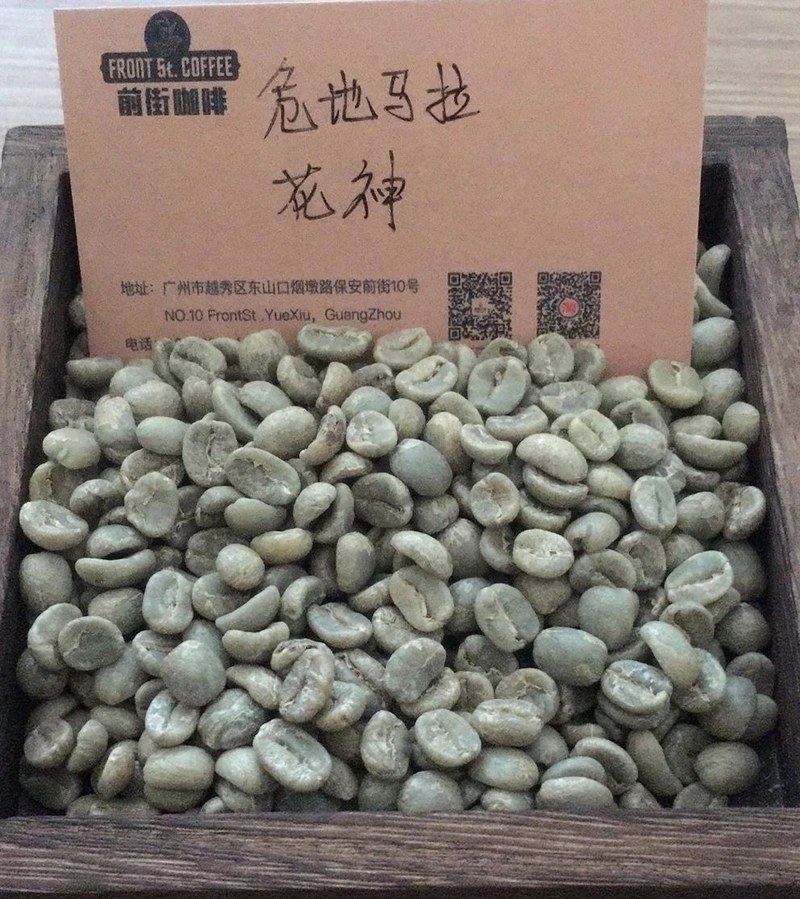
For those who like a light, juicy feel and prefer drinking light, Ethiopian beans are very impressive. For example, Qianjie washed Gedeb Dingding Cooperative carries a captivating jasmine fragrance and citrus sweetness, and at a lighter strength it is like an elegant floral and fruity clear tea; while Qianjie sun-dried Huakui carries a rich honeyed charm of strawberry, jackfruit and ripe melon, and slightly widening the coffee-to-water ratio can make that fermented tropical fruit sweetness especially transparent.
To extract this floral and fruity profile smoothly, fine-tuning the pour-over parameters is key. It is recommended to prepare 15g of coffee grounds, use a 1:15 coffee-to-water ratio, and pour a total of 225ml of hot water. At the beginning, use 30ml of water for a 30-second bloom to awaken the fresh floral and fruity aromas, then pour steadily in stages, keeping the total extraction time at around 2 minutes, which brings out abundant fruit sweetness while maintaining extremely high transparency.
If you prefer the warm, mellow richness of nuts and cream and want a big, strong cup in the morning, the Brazil region is very suitable. Qianjie Cerrado Red Bourbon carries signature creamy, peanut and cocoa flavors with a smooth, delicate mouthfeel, making it very suitable for drinking strong; while Qianjie Queen's Estate uses high-altitude Yellow Bourbon and, besides rich nutty notes, also carries a clear sugarcane-like sweetness, with a fascinating viscous smoothness.
If you are fond of something deep and heavy and do not like fruity acidity, then you cannot miss Indonesia's classic representative, Qianjie PWN Golden Mandheling. It undergoes strict manual hand sorting and has very few off-flavors, and the wet-hulled process gives it a particularly distinct herbal, spice and caramel-woody character. Extract it fully with a slightly tighter coffee-to-water ratio, and the sip is sweet and smooth like high-concentration dark chocolate, with a sweetness that lingers long after the bitterness fades.
Choosing beans is like choosing tea or wine for your current mood. Once you are clear about whether you expect a light fruit tea or a mellow hot cocoa, choosing becomes easy and simple. The parameters in the pour-over kettle are not rigid dogma; as long as you master fine adjustments to grind size and coffee-to-water ratio, the same bag of beans can freely show different aspects, crisp or intense, bringing you a comfortable and reassuring experience in the cup.
Related Reading


Comments (0)
Loading comments...
You May Be Interested




Trending Reviews
Popular Videos

With you, wherever you are! We provide useful features to help you find new things you'll love






