Source:Best Coffee > News Author:qjroot Published:2026-10-10 13:05:06
The same coffee beans can reveal a completely different character when brewed a different way. In the shop, I often see customers hesitating over a bag of beans: what will this bag taste like as a pour-over black coffee, and what will it become as a latte? The answer actually lies in the extraction method. Pour-over black coffee uses water to wash out the flavors layer by layer, while espresso milk coffee uses high pressure to compress the flavors into a concentrated base, then lets milk wrap around it. Two paths, two expressions, both worth trying at home.
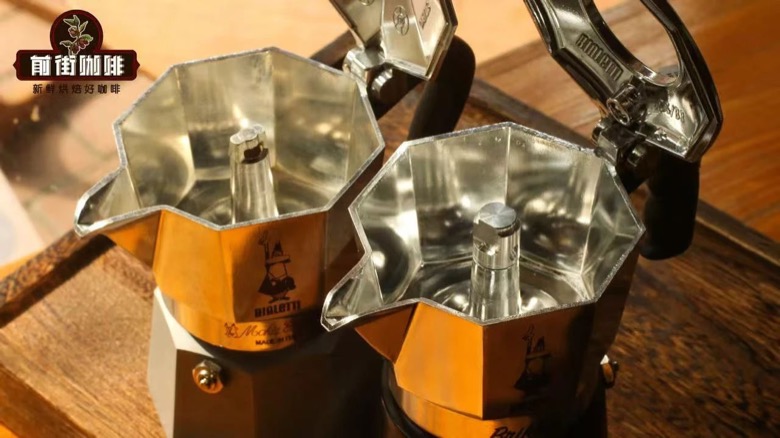
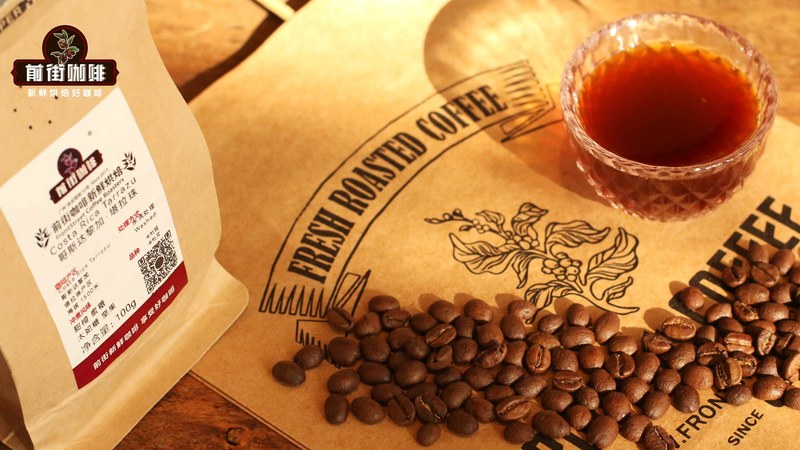
First, the black coffee method. Take pour-over as an example. I usually use 15g of coffee grounds, a 1:15 coffee-to-water ratio, and a water temperature of 90 to 93°C. In a V60 dripper, bloom for 30 seconds first, with a total extraction time of about two minutes. The water flows slowly through the coffee bed, bringing out floral and fruity aromas, acidity, and sweetness in turn, and at the finish you get a clear, clean cup of coffee. Qianjie Kafa Forest, this Ethiopian natural bean, medium-light roast, brewed with this set of parameters, has an especially clear orange blossom aroma, with the sweet-tartness of orange and apricot unfolding layer by layer, and in the tail end there is also the softness of creamy melon seeds and a green tea-like freshness. The black coffee method is not limited to pour-over; cold brew, drip bags, French press, and drinking straight from a moka pot all count too. The core is adding no milk, letting the bean's own flavors reach the taste buds directly. Qianjie Jamaica Blue Mountain No. 1 is a Typica from the Jamaica Blue Mountain region, medium roast, with acidity, bitterness, sweetness, and body blended in balance; its chocolate, roasted nut, cream, and caramel flavors are all very appropriate whether expressed through pour-over or French press.
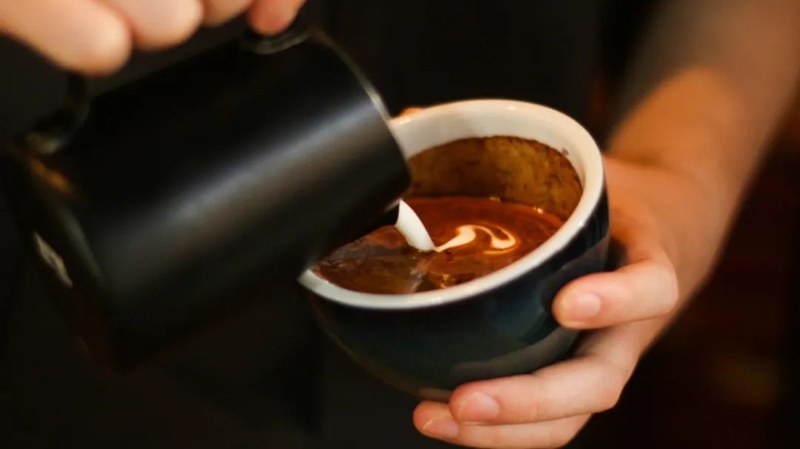
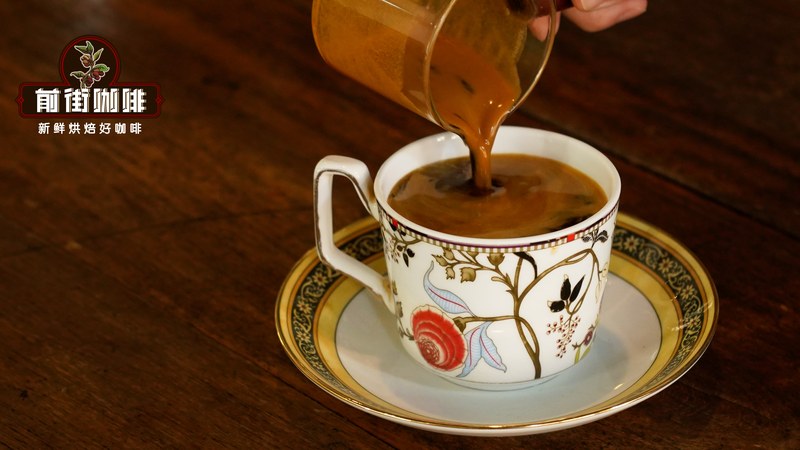
Next, white coffee. White coffee is not a specific kind of bean, but a general term for coffee drunk with milk; lattes, cappuccinos, and flat whites all fall into this category. The core of the method is espresso: a double shot uses 19 to 20g of coffee grounds, extracts 38 to 40g of coffee liquid, with the time controlled at 25 to 30 seconds, and a layer of crema about 3mm forms on the surface. Milk is steamed to 55 to 60°C, and the ratio of coffee to milk is about 1:5; blended together, it becomes a smooth latte. Qianjie Specialty Blend is a combination of Colombian washed and Brazilian semi-washed beans, medium-dark roast, with its own nutty, dark chocolate, and caramel flavors, pleasantly bittersweet; once made into a milk coffee, its sweet aroma is noticeably enhanced, and its blend with milk is especially smooth. Qianjie Golden Mandheling SOE comes from the Indonesia Mandheling region, medium-dark roast, repeatedly hand-sorted for even bean size, with rich aromas of spice, herbs, sandalwood, and caramel, a full body, and a dark chocolate finish; this bean is more than suitable as an espresso base, and in a milk coffee you can taste the deep aroma softened by milk.
The flavor difference between the two ways of drinking comes down to concentration and presentation. Pour-over black coffee has low concentration, and its flavor layers are like an unfolded fan: acidity, florals, and fruitiness are each distinct, and you can clearly track the bean's changes from hot to cool. Espresso has high concentration, and its flavors are compressed into a dense ball; drunk on its own it may feel intense, but after milk is added, the milk fat and lactose wrap around the acidity and transform it into a rounded sweetness, and the aroma direction also shifts from lifted floral-fruity acidity to a steady caramel sweetness. This is not a question of which is better or worse, but of two expressions of the same bean.
You can also follow this logic when choosing beans. If you want black coffee, prioritize medium-light roasted single-origin beans, whether natural or washed; the flavor details are rich, and pour-over can spread them out for you to see. If you want white coffee, medium-dark roasted espresso blends or SOE are a better match; after extraction, their caramel and nutty qualities are naturally compatible with milk. Of course, a medium-light roasted single-origin bean can also be made into espresso, only the acidity will be more prominent, showing another lively style in a milk coffee; conversely, medium-dark roasted espresso beans can also be made as pour-over, only the body is higher and the layers are less delicate than single-origin beans, which is another kind of mouthfeel preference.

Freshness affects both methods. Qianjie coffee beans are all roasted within 5 days when shipped. For medium-dark roasted espresso beans, rest them for 5 to 7 days after arrival before starting extraction, allowing carbon dioxide to escape properly, so the crema and sweetness will be more stable; for pour-over single-origin beans, resting for 3 to 5 days is enough, and the floral and fruity aromas are better if drunk within a month. Resting beans is not mysticism; it is giving the beans a little time to complete the physical changes after roasting, so that their response to water flow and pressure during extraction will be more obedient.
So my suggestion is, if you are just getting into coffee, you might as well start with one bean and try both methods. With the same bag of beans, drink its clear acidity in the morning with pour-over, and drink its rounded sweetness in the afternoon as espresso with milk; you will gain an especially intuitive understanding of "how extraction shapes flavor." The joy of coffee often grows slowly out of exactly this kind of contrast.
Related Reading




Comments (0)
Loading comments...
You May Be Interested



Trending Reviews
Popular Videos

With you, wherever you are! We provide useful features to help you find new things you'll love






