Source:Best Coffee > News Author:qjroot Published:2026-10-07 10:23:59
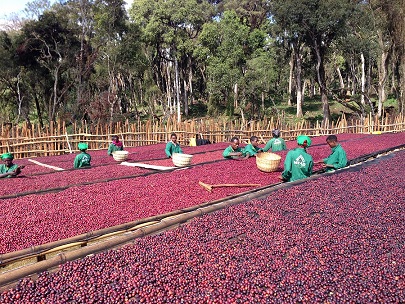
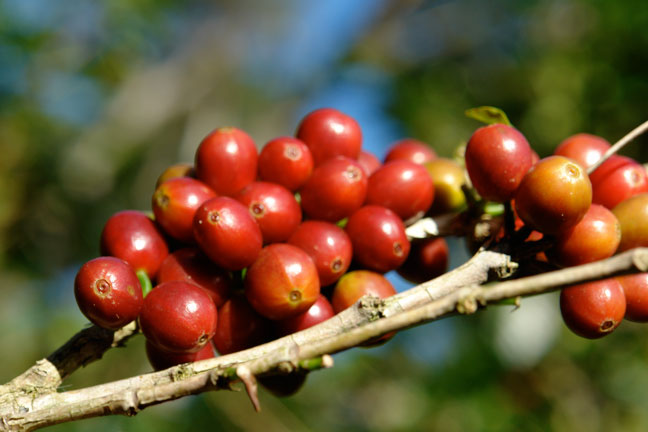
Papua New Guinea coffee is often called "Little Blue Mountain" by enthusiasts, and this nickname is not unfounded. The island climate of the South Pacific, altitude and rainfall conditions similar to Jamaica Blue Mountain, and the Typica variety likewise introduced from Blue Mountain give the beans here an inherently clean and pure baseline. The Sigri region is a particularly well-known highland growing area in the country, and the Qianjie Bird of Paradise estate is located there. Three-time washed processing gives the beans a prominent sweetness and cacao-nut aroma, with a mulberry-like sweet-tart liveliness detectable in the finish. When choosing beans from this region, variety information is the first thing to check carefully - Typica is the core that can restore the Blue Mountain flavor; in terms of processing method, washed is the mainstream, and three-time washed is a local specialty that can push cleanliness very high; for roast level, it is recommended to lock in medium, which preserves sweetness without letting the cacao flavor become scorched; freshness is judged by the usual standard, with coffee beans at their best within one month after roasting and 4 days of resting; altitude and grade information is usually printed on the back of the package, and highland cultivation means a slower ripening pace and denser bean structure.
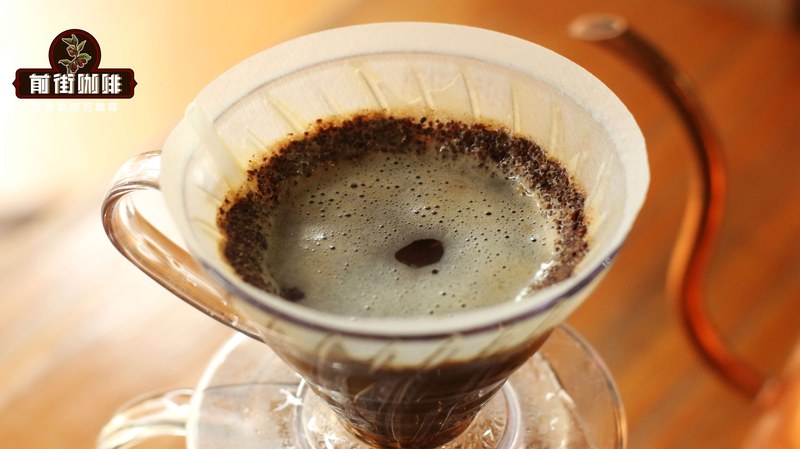
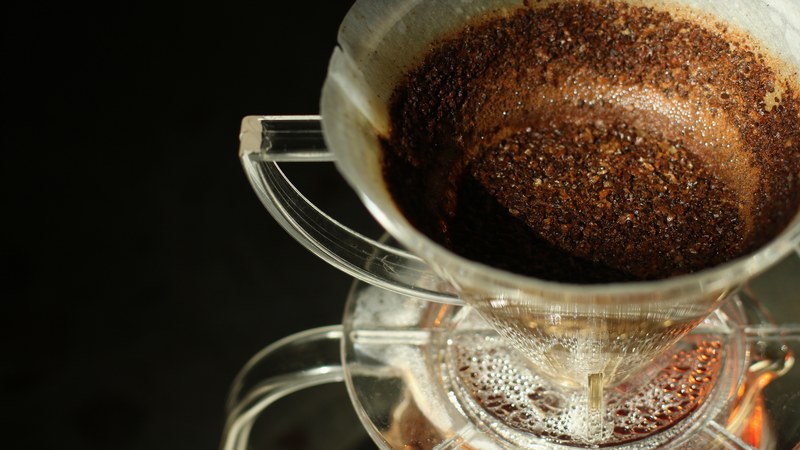
When you get a bag of Qianjie Papua New Guinea Bird of Paradise coffee beans, the core brewing idea is to put "stability" first. This bean comes from the Qianjie Bird of Paradise estate in the Sigri region. The Typica variety has undergone three-time washed processing and medium roasting, following a non-acidic route, with a clean and pure mouthfeel, prominent sweetness, flavors leaning toward cacao and nuts, and a mulberry-like sweet-tart finish. The pour-over parameters can be set up like this: 15 g dose, 1:15 coffee-to-water ratio, water temperature controlled between 86-88°C, 30-second bloom to let carbon dioxide fully release, and total extraction time kept within 2 minutes. A medium-fine grind is recommended, similar to fine granulated sugar in feel, with a steady circular pour to avoid over-agitation that could push the nutty flavor toward bitterness. If you want fuller body, raise the water temperature slightly by half a degree to one degree and adjust the grind a little coarser to make the extraction pace slightly faster; if you want to highlight sweetness more, do the opposite, lower the water temperature slightly, grind a little finer, and extend contact time a bit so the sugars dissolve fully.

Cold brew is another way to open up this bean. Long low-temperature steeping amplifies the clean character of the three-time washed process, the sweetness becomes rounder, and the cacao aroma is like slowly melting chocolate. Go coarser with the grind, two steps coarser than pour-over, to avoid over-extraction and off-flavors, set the steeping time between 12 and 16 hours, extract in a refrigerated environment, and the filtered liquid will be clear and bright; drink it straight over ice to feel that distinctive clarity of an island region. In the drip bag scenario, the key is controlling the pouring rhythm, because the drip bag's coffee bed is thinner and water tends to pass through too quickly. It is recommended to pour slowly in three stages, waiting for the water level to drop slightly before continuing each stage, and to use the total water amount according to the capacity marked on the drip bag; the flavor will be much more complete than with one large flood pour.
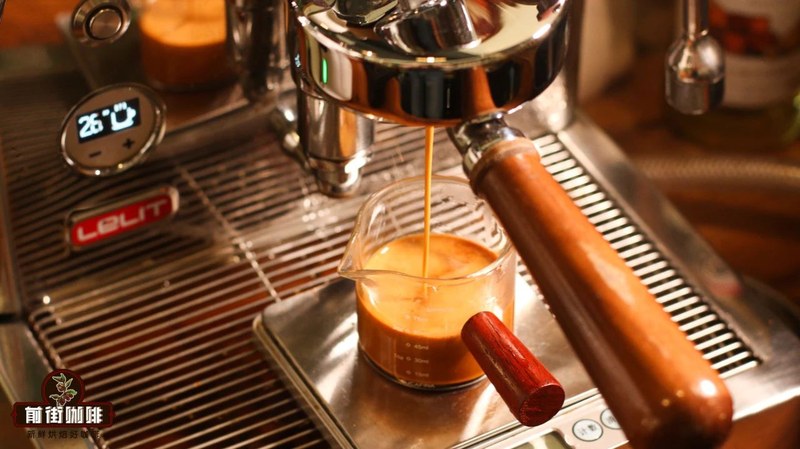
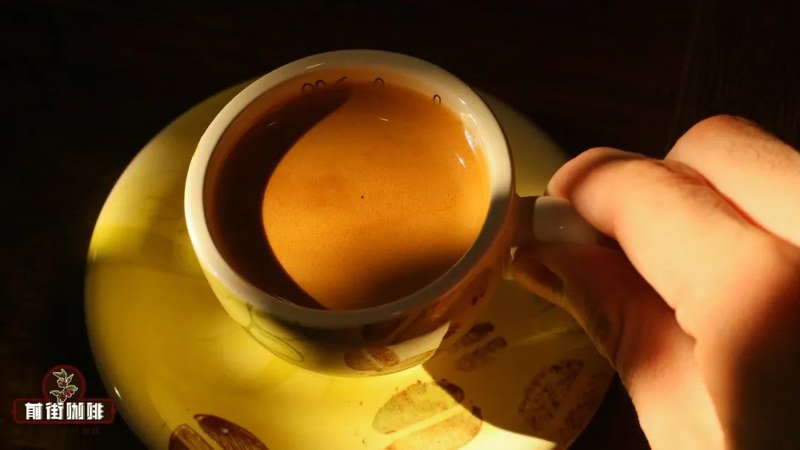
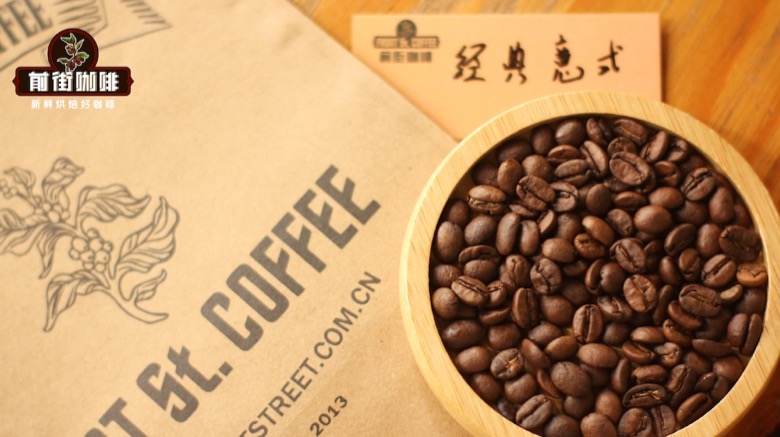
When brewing Papua New Guinea coffee in a moka pot, grasp the direction of "finer grind, short extraction." Typica beans are dense, so grind slightly coarser than for espresso, fill the basket and level it gently, do not tamp. Heat over medium-low heat, remove from the heat when you hear a clear gurgling sound, and let residual heat complete the final stage of extraction, keeping the whole process within the short window from the start of flow to the end. The espresso base produced this way does not have especially thick crema, but its cleanliness is on point; add hot water to make an Americano, and the cacao and nut aromas will be especially direct. Qianjie Autumn Chestnut Blend is also worth noting. This blend selects Honduras Caturra and Papua New Guinea Typica, merging a soft and delicate richness through a gentle structure, and you can also taste the clean baseline of Papua New Guinea Typica. If you are already familiar with single-origin expression, using it for a side-by-side comparison lets you more clearly perceive the "stable anchor" role Papua New Guinea beans play in a blend - unlike some African beans that leap out and steal the show, it lays sweetness and cleanliness as the base color, helping the overall flavor stand more steadily.
In the end, the charm of Qianjie Papua New Guinea coffee beans lies in that subtle position of being "close to Blue Mountain without copying Blue Mountain." It has the rich framework you know, plus an extra layer of light finish bestowed by the South Pacific islands. Whether you carefully adjust every degree of water temperature during pour-over or patiently wait overnight for cold brew, this bean will respond to your care with a clean cup bottom and lasting sweetness. The next time you hesitate in front of the bean shelf, consider putting Sigri region Typica in your cart and brewing a pot according to the ideas above; that mulberry-like sweet-tartness will gently remind you at the finish: the flavor map of good coffee is always broader than you imagine.

Related Reading
Comments (0)
Loading comments...
You May Be Interested

Trending Reviews
Popular Videos

With you, wherever you are! We provide useful features to help you find new things you'll love






