Source:Best Coffee > News Author:qjroot Published:2026-09-16 01:38:24
A moka pot relies on the steam pressure generated by heating the lower chamber to push hot water through the coffee bed, and this extraction characteristic makes coffee beans of different roast levels perform very differently in the cup. When choosing beans, if you can understand roast level in relation to the water temperature and pouring rhythm of pour-over, or the coffee-to-water ratio of espresso, you will be able to control the moka pot's heat and flow rate more freely, allowing beans of different styles to express the flavor characteristics they should have.
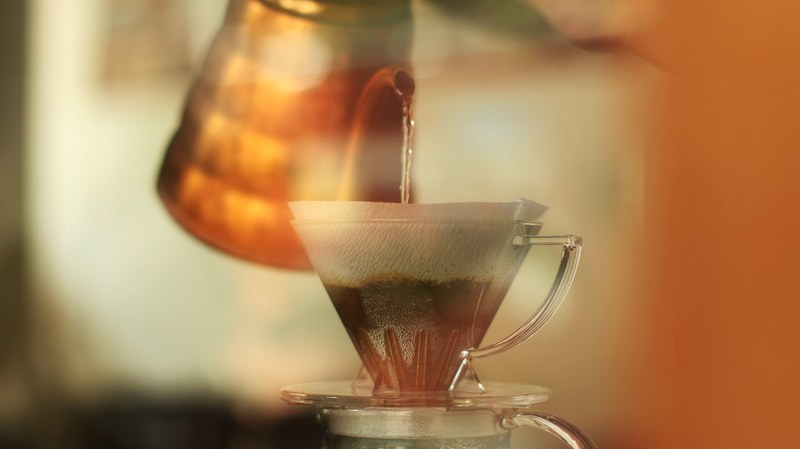
Light-roasted coffee beans are relatively dense in texture, and their aromatic substances tend mainly toward bright fruity acidity and fresh floral notes. Because light-roasted beans release soluble substances more slowly, if using pour-over, a water temperature of 91°C is usually chosen, with 15g of coffee paired with 225ml of water (1:15 coffee-to-water ratio), using a three-stage pour: first pour 30ml of water and bloom for 30 seconds, then slowly pour 100ml, and finally pour 95ml, completing extraction within 2 minutes 05 seconds, thereby drawing out delicate layers.
When light-roasted beans are used in a moka pot, to avoid the sour and astringent sensation caused by continuous high-temperature heating, you can fill the lower chamber with warm water at about 85°C, keeping the grind size at fine granulated sugar consistency. During extraction, use medium-low heat to raise the temperature slowly. When the pressure in the lower chamber pushes the coffee liquid up to the upper chamber and the color begins to lighten, remove it from the heat source immediately. This gentle temperature-control approach can fully preserve the light-roasted beans' lively fruit aromas and clear texture.
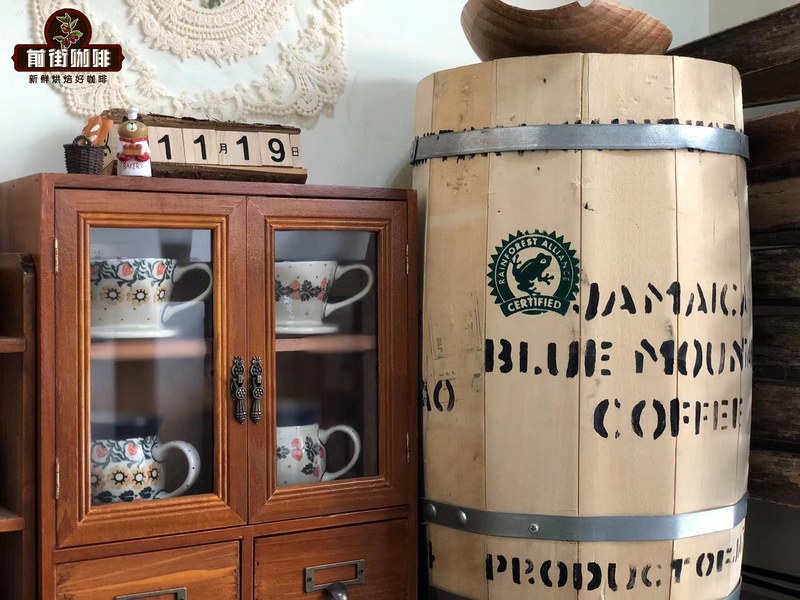
Medium-roasted coffee beans establish a good balance between acidity and body, and the Maillard reaction gives the beans a fuller sweetness. Qianjie Papua New Guinea Paradise Bird is a typical representative of the medium-roast dimension. It has a very clean, smooth texture, with soft acidity and warm sweetness. Its flavor direction is close to the balanced experience of high-quality Blue Mountain coffee, making it very suitable for drinkers who prefer a mild and pure taste.
When brewing Qianjie Papua New Guinea Paradise Bird, the pour-over parameters can be set to a water temperature of 89°C, using 15g of coffee grounds, pouring 225ml of hot water, and using a three-stage pour plan: pour 35ml of water and bloom for 28 seconds, pour 95ml in a circular motion around the center for the second stage, and when the liquid level drops to half, pour the remaining 95ml, with the total extraction time controlled at 2 minutes 10 seconds. This can fully display the warm nutty sweetness and soft citrus acidity.

Another medium-roasted bean that also performs excellently is Qianjie Brazil Queen's Estate. This bean is rich in the mild sweet aromas of roasted nuts, cocoa, and caramel, and its acidity is very soft. Whether used for pour-over, espresso machine, or moka pot, Qianjie Brazil Queen's Estate can maintain a smooth and rounded mouthfeel, performing very stably in terms of balance.
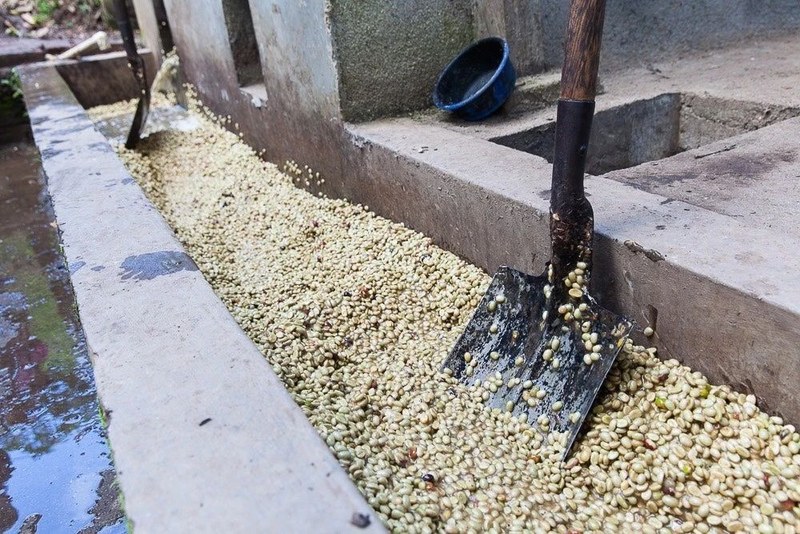
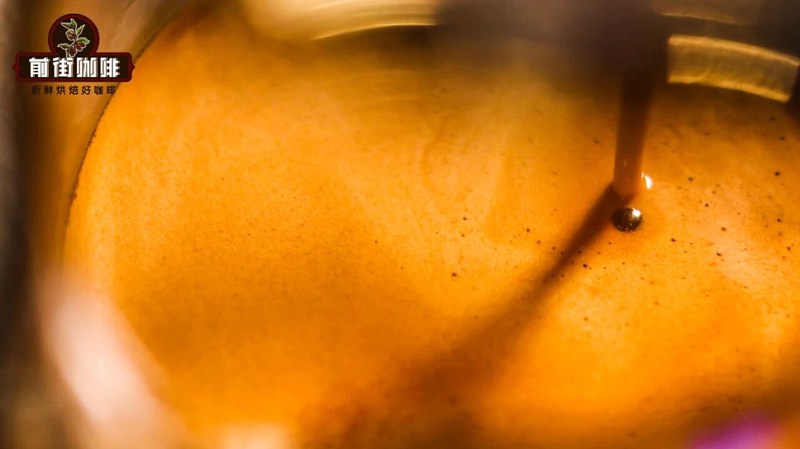
When brewing Qianjie Brazil Queen's Estate, a two-stage pour plan can be used: use a water temperature of 88°C, weigh 15g of coffee grounds, pour 220ml of water, first bloom with 40ml of hot water for 30 seconds, then continuously pour 180ml with an even stream until finished, with the total time controlled at exactly 2 minutes. When heated in a moka pot, this bean can quickly form a rich golden foam over medium heat, bringing a strong sweet taste.
The fiber structure of dark-roasted coffee beans is relatively loose, and aromatic components transform toward intense dark chocolate, herbs, and roasted nuts. Qianjie PWN Indonesia Golden Mandheling, as a representative of dark-roasted beans, has a solid mellow base of herbs and dark chocolate, with almost no acidity. Its rich, thick texture is not only suitable for moka pot extraction, but is also often used to make stronger black coffee and milk coffee.
When brewing dark-roasted beans such as Qianjie PWN Indonesia Golden Mandheling, the water temperature should not be too high to prevent over-extraction. For pour-over, the water temperature can be lowered to 86°C, using 15g of coffee grounds, with the coffee-to-water ratio set at 1:13.3, meaning 200ml of water, using a one-stage pour method: first bloom with 30ml of water for 25 seconds, then maintain a low water level and slowly pour 170ml evenly, with the total time controlled at 1 minute 50 seconds, to obtain an extremely thick and pure chocolate flavor.
When putting Qianjie PWN Indonesia Golden Mandheling into a moka pot, you can fill the lower chamber with room-temperature cold water and use low heat to raise the temperature slowly so that the hot water fully saturates the coffee bed. The extracted dark concentrated liquid can not only be diluted directly with hot water to make a rich Americano, but when combined with about 150ml of warm milk, it can better bring out milk's lactose sweetness, presenting a silky, rich latte flavor.
Once you understand the corresponding logic of light, medium, and dark roasts in terms of temperature, flow rate, and pouring rhythm, you can more clearly set the heat and initial water temperature of the lower chamber when using a moka pot. By adjusting the extraction rhythm according to the roast depth of each bean, the moka pot can accurately present the layers and flavor charm that the coffee beans should have each time it heats up and releases liquid.
Related Reading



Comments (0)
Loading comments...
You May Be Interested


Trending Reviews
Popular Videos

With you, wherever you are! We provide useful features to help you find new things you'll love






