Source:Best Coffee > News Author:qjroot Published:2021-12-09 17:41:29
Since 2020, China's coffee market has been continuously expanding, with Shanghai achieving particularly remarkable results. As early as April 2021, the Shanghai Coffee Consumption Index released by the city revealed that there were 6,913 coffee shops in Shanghai at the time, making it the city with the highest number of coffee shops in the world. By the end of October this year, third-party data indicated that Shanghai had over 8,200 coffee shops.
According to statistics from the London-based International Coffee Organization, China's coffee consumption is growing at an astonishing rate of 15% per year. It is projected that by 2025, China's coffee consumption market will grow into a trillion-yuan industry.
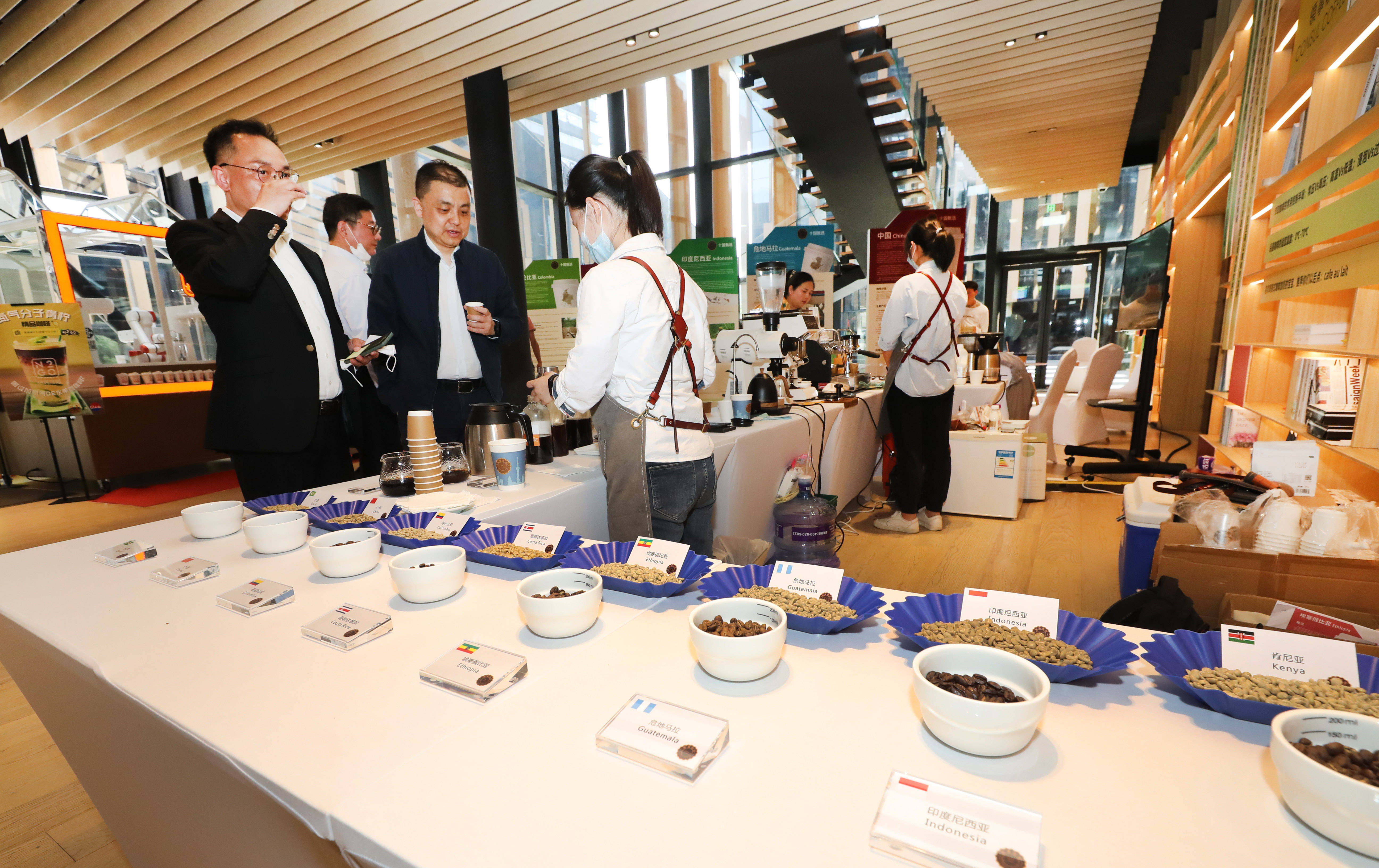
Even so, China does not have a say in the trade of coffee beans, a soft commodity: New York has a futures exchange for Arabica coffee beans, London has one for Robusta coffee beans, and even key coffee-consuming countries like Singapore and Japan have their own raw coffee bean trading centers. China is both an important producer and consumer of coffee beans, yet the trading of green coffee beans is neither transparent nor does it have any significant influence.
However, all of this is about to change. The coffee market is characterized by distinct industry features, profound cultural heritage, and a mature international market. To elevate the industrial level of coffee, professional institutions and platform support are needed.
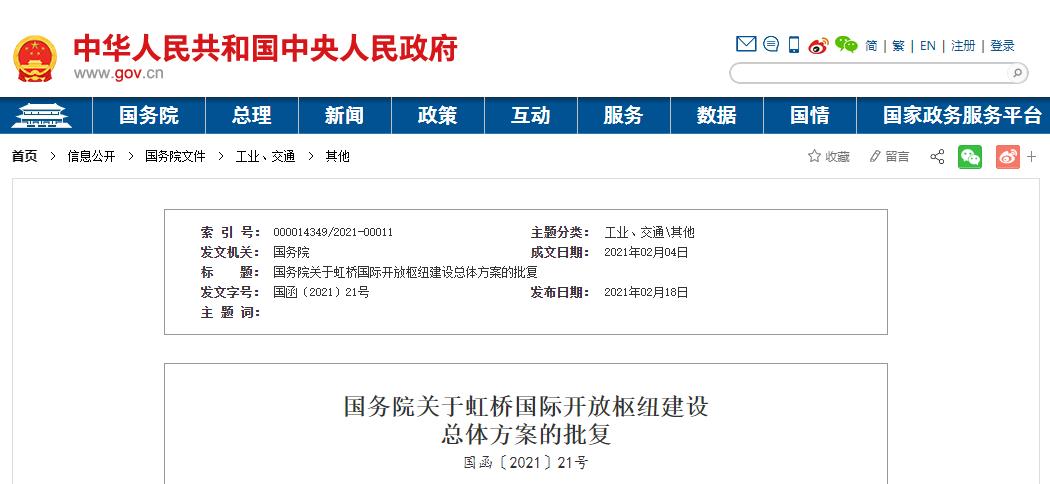
In early 2021, the State Council officially approved the Overall Construction Plan for the Hongqiao International Open Hub. The plan mentioned the requirement to "improve the functions of the Hongqiao Imported Goods Exhibition and Trading Center, such as bonded goods display, price formation, and information release."
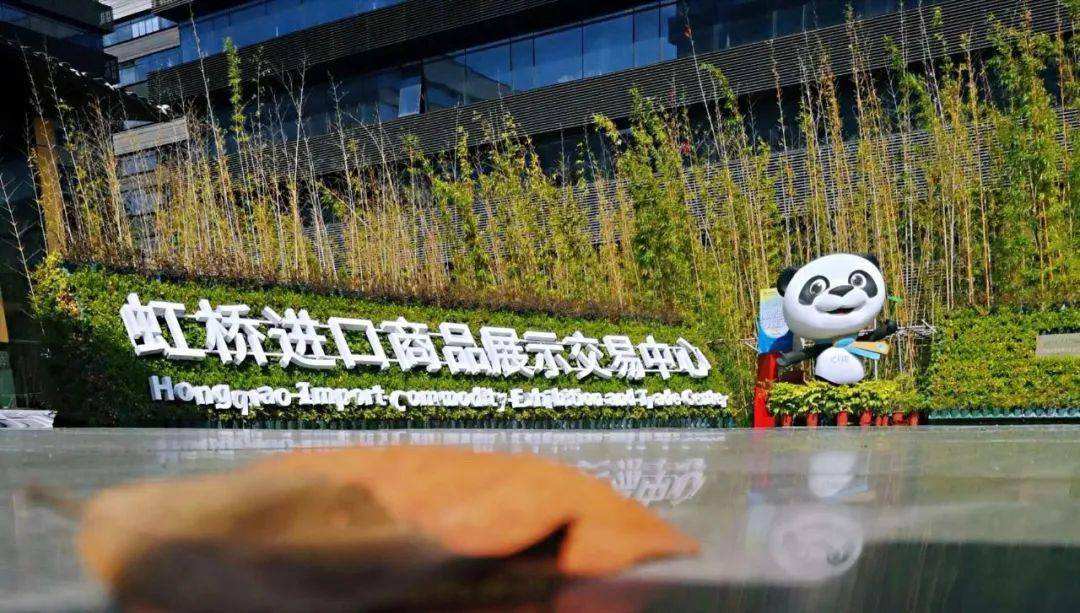
On April 29 of the same year, the Price Release Center of the Hongqiao Imported Goods Exhibition and Trading Center was officially unveiled, marking the substantial implementation of the aforementioned requirement.
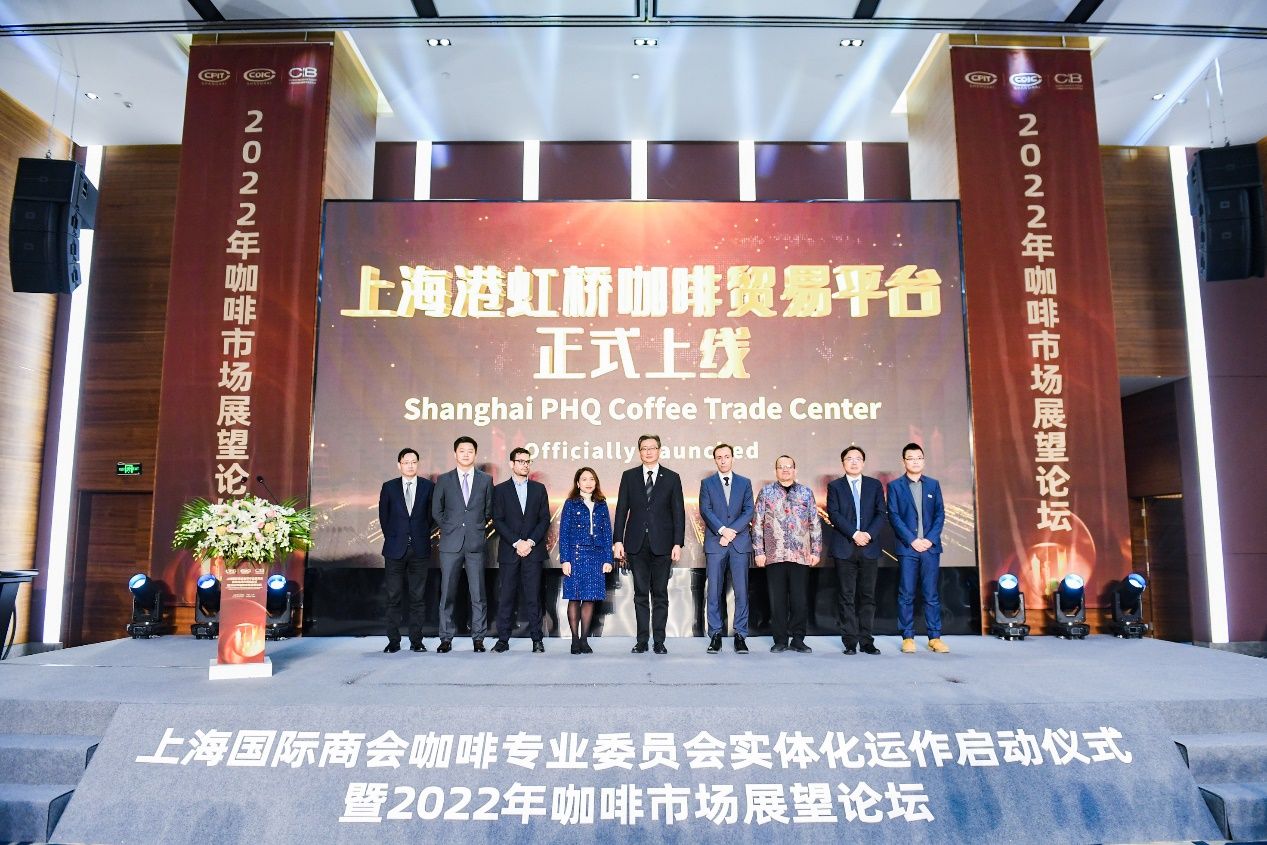
With the first International Coffee Market Outlook Forum held in Shanghai on December 8, the Shanghai Port Hongqiao Coffee Trade Platform was officially launched. The Coffee Professional Committee established by the Shanghai International Chamber of Commerce is based in the Hongqiao International Central Business District, further amplifying the spillover effects of the CIIE, exploring the future possibilities and potential of the coffee industry, helping to build a coffee culture, and thereby promoting the development of China's coffee industry.
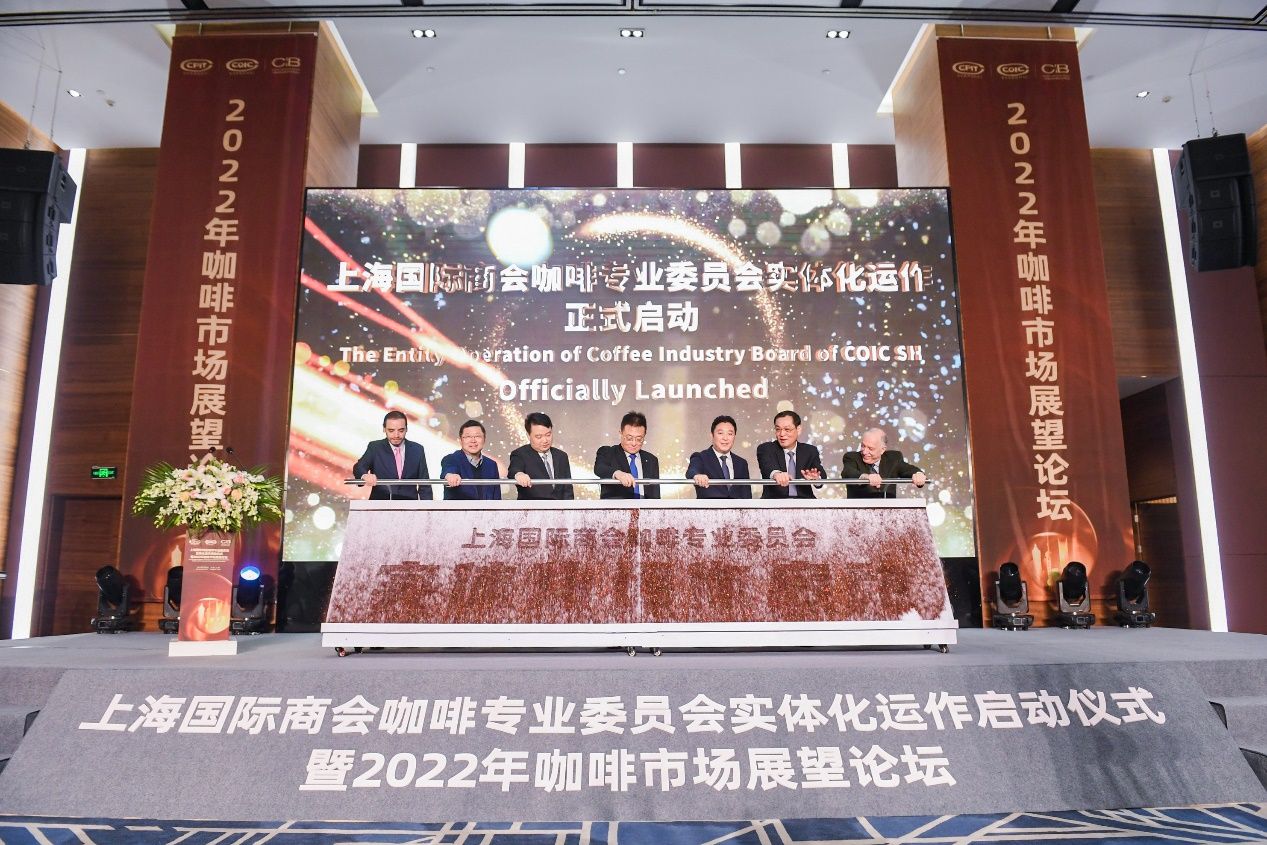
To promote the development of China's coffee industry, the Shanghai International Chamber of Commerce Coffee Professional Committee supported the establishment of the Shanghai Port Hongqiao Coffee Trade Platform. This platform is an integrated service provider for the development of China's coffee industry, featuring a full range of products, multiple parallel trading models, and third-party supporting services.
At the launch of the Shanghai Port Hongqiao Coffee Trade Platform, overseas official institutions, international traders, coffee importers, coffee exporters, coffee factories, and coffee plantations from countries such as Singapore, Ethiopia, Ghana, Brazil, Colombia, and Indonesia extended olive branches.
This trade platform will also be the first to launch a "Coffee Bean Price Index," expected to be available in the first half of next year, aiming to secure China's pricing power for coffee beans. Establishing a Chinese coffee bean price index is very important. This year, the price of Arabica coffee futures on the Intercontinental Exchange in the United States has doubled, greatly impacting China's coffee production supply chain.
According to a report by Xu Jinghui, a reporter from Wen Wei Po, the Shanghai Port Hongqiao Coffee Trade Platform will further expand cooperation along the Belt and Road in the future. By acquiring equity in brand-advantaged enterprises in Belt and Road coffee-producing countries in areas such as coffee planting, cultivation, roasting, production, and technology research and development, it aims to achieve the strategy of "controlling resources upstream, technology midstream, and networks downstream."
Related Reading



Comments (0)
Loading comments...
You May Be Interested



Trending Reviews
Popular Videos

With you, wherever you are! We provide useful features to help you find new things you'll love






