Source:Best Coffee > News Author:qjroot Published:2026-08-24 13:15:37
Every shop has encountered this situation: the barista thinks a certain bean is layered and has beautiful acidity, but the customer takes one sip and frowns, saying it's too sour or too bitter. The judgment of commercial beans isn't actually made at the cupping table, but in the hands of that row of customers outside the bar. The barista's professional judgment isn't wrong, it's just that there's a gap between it and the market's taste, and what commercial beans need to do is close that gap.
The so-called common taste denominator isn't about grinding flavors flat into something boring, but about finding that intersection where most people don't reject it when they drink it and a few enthusiasts aren't disappointed when they drink it. For the mass market, this intersection is usually balance: a little fruit acidity for brightness, enough sweetness for support, bitterness that's clean and doesn't stick in the throat, and a finish with familiar cocoa or nut notes. Once this intersection is found, the bean's repurchase rate is guaranteed.
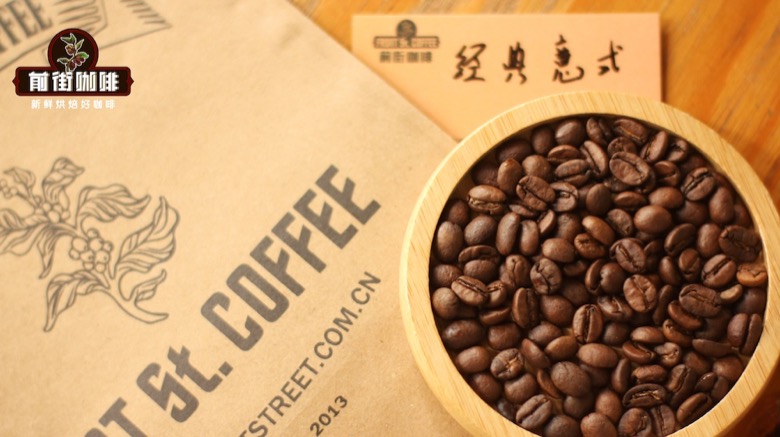
The reason Qianjie Classic Blend can be adopted by a large number of shops relies on exactly this balanced character. Brazil's nutty sweetness and the richness brought by a medium-dark roast form a framework that is safe yet not bland; it shows layers when drunk black, and it's stable as a milk coffee too. The barista doesn't feel insecure when they get it, and the customer isn't surprised when they pick it up. This is the value of the common denominator.
To judge whether a bean has a common denominator, you can do a double-blind tasting. Find a few staff members, then find a few regulars, mix the americanos and lattes made from the candidate beans together, number them, and have everyone rank them by intuition. The regulars' tongues are closer to the real market than a cupping form; the cup they repeatedly order is often the answer. If the ranking results are highly consistent between staff and customers, this bean can basically go straight onto the purchasing list.
You should also leave a little room for the barista to express themselves. The common-denominator bean handles daily output, and the shop can also keep a bean with a distinctive character as a limited edition. Qianjie Yirgacheffe's citrus and floral notes are very suitable, made into a small-batch flat white, creating freshness for regulars without affecting the main product line.
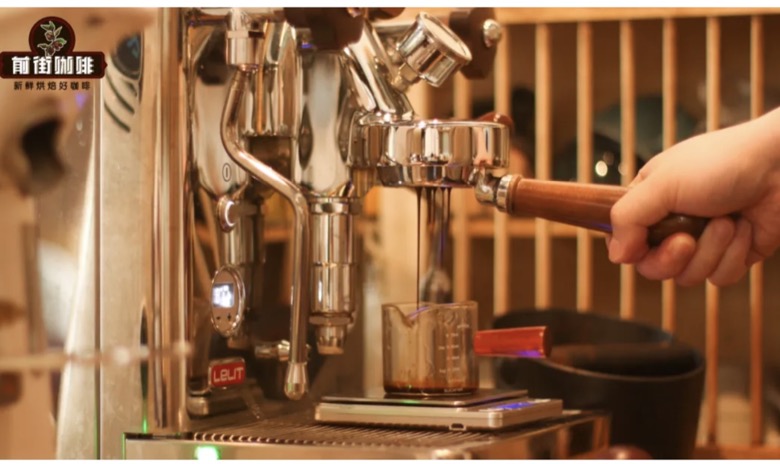
There's also another easily overlooked common denominator: aroma. A customer's impression of a cup of coffee often starts with the smell, the dry aroma during grinding and the wet aroma of the crema are both silent signboards. Treat aroma as a screening criterion, and many hidden defects can't hide on the spot. Over-fermented or stuffy, dull smells, the barista can understand them, the customer can't put it into words but will vote with their feet. When selecting beans, smell the odor at the grinder's discharge chute, it's much more intuitive than looking at a flavor wheel.
In the end, commercial beans are the language between the shop and the customer. Beans like Qianjie Colombia Huila, with clean sweetness and soft acidity, are suitable for putting into a daily plan precisely because what they say is understood by both sides. Find this common language, and your output will have a return rate.
Related Reading


Comments (0)
Loading comments...
You May Be Interested

Trending Reviews
Popular Videos

With you, wherever you are! We provide useful features to help you find new things you'll love






