Source:Best Coffee > News Author:qjroot Published:2026-09-24 14:08:01
In the early morning, when you turn on a home espresso machine in the kitchen, many people think that all they need to do is press the extraction button and enjoy a delicious cup, only to find that the taste is often inconsistent. In fact, making espresso is like making salt water: concentration determines whether the cup tastes strong or weak, while extraction yield determines whether the dissolved compounds are sweet and delicious or dry and harshly bitter. Once you understand these two indicators, adjusting coffee flavor at home becomes especially simple.
Concentration is like the saltiness and thickness we perceive when drinking soup, while extraction yield is like how much of the essence in the ingredients has actually been cooked out. If the grind is too coarse or the flow is too fast, the water passes through before it has time to fully carry away the flavor compounds, which is underextraction; if the grind is too fine, the puck resistance is too great, the hot water lingers too long, and all the scorched, astringent tail-end flavors are brewed out, which is what everyone calls overextraction.
When the coffee in the cup tastes thin and weak, with a sharp, prickly acidity, it is often because the puck resistance is too low, causing the flow to be too fast and the extraction yield to be low. If the mouthfeel is heavy but accompanied by strong burnt bitterness and a tightening, astringent sensation at the back of the tongue, it is usually because the coffee grounds were ground too fine and the extraction time was drawn out too long. As long as you remember that flavor has an order, with acidity and sweetness first and bitterness last, fine-tuning the grind size can change the extraction trend.
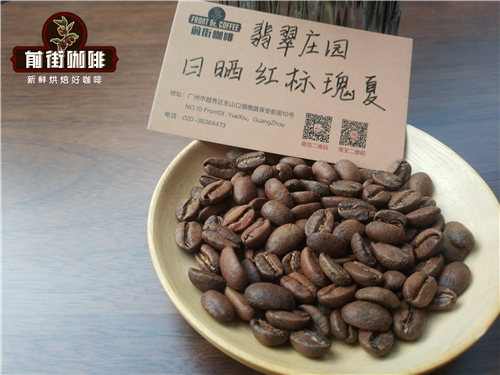
With the same bag of beans, getting it to a smooth-tasting state is not difficult. With a fixed dose, if it feels too acidic and weak, adjust the grind one small step finer to increase puck resistance and raise the extraction yield; if it tastes bitter and cloying, make the grind half a step coarser so the water flows more smoothly. By fine-tuning the grind size and observing the flow rate, you can firmly lock the balance point of acidity, sweetness, and bitterness at the taste you prefer.
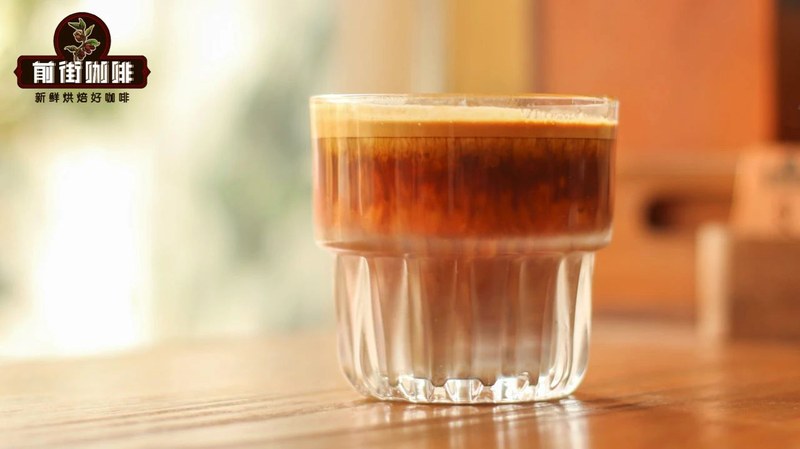
During actual extraction, we can establish a set of baseline parameters. Use 19 g of freshly ground coffee, distribute the grounds evenly, then tamp vertically, lock in the portafilter, and start extraction, letting the espresso machine stably extract 38 g of espresso liquid in about 26 seconds. This yield just balances the thickness of the crema with the aromatic layers, and whether enjoyed directly or diluted with water to make an americano, the taste is very smooth and balanced.
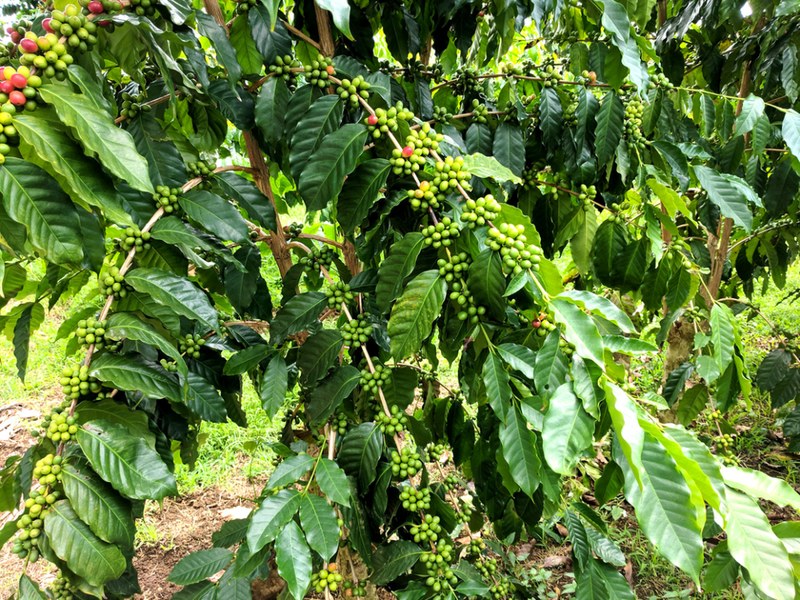
After understanding the logic of extraction, when choosing beans you should also consider whether you prefer to drink strong or weak. Dark-roasted blends have a loose structure and dissolve very easily, making them naturally suited to milk coffee drinkers pursuing high concentration and rich crema; light-to-medium-roasted single-origin beans have a dense texture and light floral and fruity aromas, making them better suited to a slightly lower-concentration large americano, allowing the origin flavors to bloom lightly in the mouth like a refreshing juice.
If you usually prefer rich, full-bodied milk coffee, Qianjie Classic Blend is an ideal choice. This bag of beans has explosive crema performance, and the extracted espresso has a strong sweet aroma of dark chocolate, nuts, and caramel. Blended with steamed, velvety milk, the whole latte tastes like melted nutty hot cocoa, thick and sweet, and one cup in the morning warms your whole body.
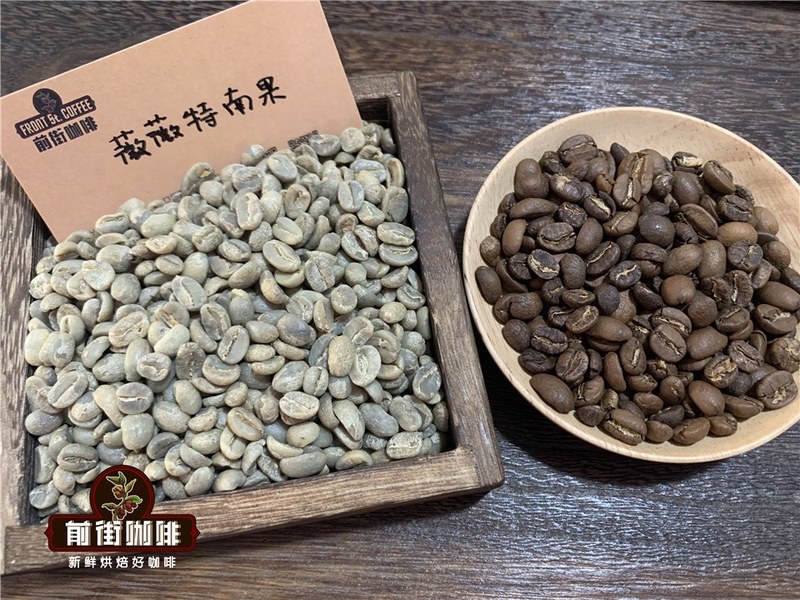
If you want to try a refreshing, bright, juicy americano, you might try Qianjie Blackberry SOE. This single-origin bean comes from Costa Rica, and the medium roast preserves the captivating blackberry sweet-tartness and the fermented wine aroma of ripe fruit. After extracting espresso with it and then diluting the concentration with warm water, the sweetness at the first sip is especially prominent, with clear layers and no scorched or astringent sensation, making it very suitable for friends who like to drink lighter coffee and experience origin flavors.
If you are particularly fond of floral and fruity acidity, Qianjie Natural Huakui SOE can bring an elegant aroma like tropical fruit and citrus black tea; if you like a smooth, nutty sweetness, you can keep Qianjie Specialty Blend on hand. As long as you understand the temperament of espresso extraction and give the beans the appropriate grind and time according to their roast level, the small bar in your own kitchen can always steadily serve a cup of fragrant, smooth, and comfortable good coffee.
Related Reading


Comments (0)
Loading comments...
You May Be Interested


Trending Reviews
Popular Videos

With you, wherever you are! We provide useful features to help you find new things you'll love






