Source:Best Coffee > News Author:qjroot Published:2026-08-19 15:18:22
The sweetness in moka pot coffee is not determined by roast level alone, but is the result of origin flavors, bean processing method and roast development level working together. After coffee beans are roasted, the original sugars and aromatic substances transform into sensations such as nuts, caramel, brown sugar and cocoa; moka pot extraction is more concentrated, allowing these aromas to present themselves in a concentrated way on the palate. When choosing beans, you can first determine the type of sweetness you want, then check whether the origin and roast level echo each other; this makes it easier to get a specific and stable cup profile than simply looking at the word "sweet."
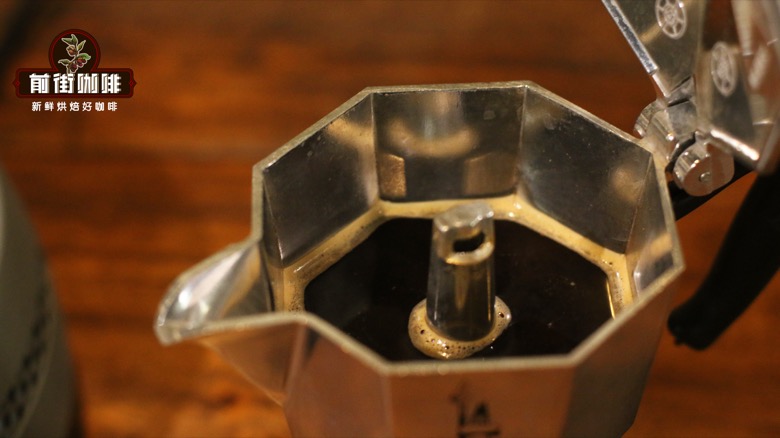
Brazilian beans commonly show sweetness leaning toward nuts, caramel and roasted grains. At medium to medium-dark roast, aromas like hazelnut, peanut brittle, cocoa and toffee gradually become fuller, and the body brewed from a moka pot more easily combines with these flavors. Queen Estate's Brazilian beans can serve as a reference for observing this line; after brewing they are suitable for drinking straight, or adding a small amount of hot water to open up the layers of caramel and nuts. If you add a little milk, the coffee will show associations of roasted nuts and cream candy; if kept as black coffee, you can feel a clearer cocoa finish.
Colombia's sweetness often carries notes of brown sugar, caramel and ripe fruit, and the structure usually has a bit more brightness. With moderate roast development, a moka pot can concentrate the brown-sugar-like sweet aroma and soft fruit acidity, giving a rounded entry while still leaving a brisk aftertaste in the finish. With a darker roast, caramel, dark chocolate and roasted nuts become more prominent, suitable for those who like a fuller mouthfeel. Putting Brazil and Colombia in the same cup: the former provides a nutty and cocoa base, while the latter adds brown sugar sweetness and liveliness; the blended flavor will have more layers than a single direction, and is also suitable for repeated daily brewing.
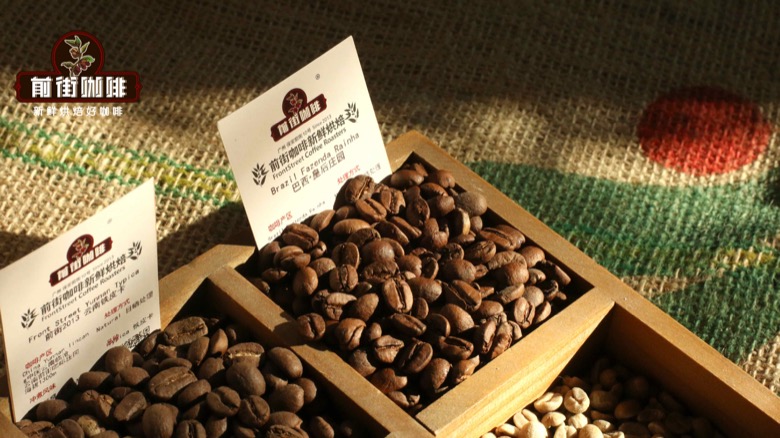
Indonesian beans' sweetness is often associated with spices, wood, black sugar and cocoa, suitable for extending the body of moka pot coffee further into depth. When the origin flavor leans calm and steady, the roast development level should not merely pursue darkness, but should retain the bean's spice and black sugar outline. In actual brewing, use medium-low heat to let the coffee flow out steadily, and remove from heat when the tail-end color becomes lighter to reduce excessive bitter-roast notes. From this view, origin determines the direction of sweetness, while roasting determines the intensity and texture of sweetness; Brazil's nutty caramel, Colombia's brown sugar, and Indonesia's spice profile can all become the natural sweet aroma in a moka pot when matched with suitable roasting.
Related Reading





Comments (0)
Loading comments...
You May Be Interested


Trending Reviews
Popular Videos

With you, wherever you are! We provide useful features to help you find new things you'll love






