Source:Best Coffee > News Author:qjroot Published:2026-09-16 14:42:34
The caffeine contained in coffee beans is closely tied to roast depth and extraction method. Arabica varieties naturally contain caffeine typically between one and one point two percent, while Bourbon and its derived varieties, under moderate roasting, present delicate and gentle fruit acidity and sweetness. Understanding your constitution and metabolic rhythm, and keeping daily intake within a comfortable range, lets you enjoy the flavors without placing extra burden on your body.
After waking in the morning, the body is in a mildly dehydrated state, and cortisol levels are relatively high. Drinking strong coffee directly at this time can easily cause gastrointestinal irritation. A more suitable approach is to first drink a cup of warm water to replenish fluids, and about half an hour after eating a carbohydrate or grain breakfast, then enjoy the day's opening cup of flavor. At this point, medium or light-medium roasted single-origin beans can awaken the palate, bringing a fresh and pleasant morning sensation.
For morning drinking, it is recommended to choose beans with pure flavor and soft fruit acidity. For example, Qianjie Kenya Small Tomato, originating from an excellent lineage selected from Bourbon, possesses distinctive small tomato and smoked plum notes, with a brown sugar-like finish that seems especially refreshing after a meal. Paired with whole wheat toast, boiled eggs, or oatmeal, the full juice-like body of the coffee balances the heaviness of the food while gently promoting the secretion of digestive juices.
When brewing Qianjie Kenya Small Tomato, it is recommended to use a pour-over dripper for extraction. Use 15g of coffee grounds, grind to a medium-fine degree, pour in 91°C hot water, and control the coffee-to-water ratio at 1:15. First bloom with 30ml of water for 30 seconds, then pour in two stages, steadily pouring to 130ml with a brief pause, and after the water level drops, continue pouring to 225ml and stop, with total time controlled at 2 minutes 05 seconds. The coffee brewed this way has soft and bright acidity, smooth on the palate and mouth-watering.

Ten to eleven in the morning is a period when the body's focus is abundant and metabolism is steady, and it is also a good time to moderately supplement with subsequent coffee. At this time, work or study has consumed a certain amount of energy, and a moderate amount of caffeine can delay the feeling of fatigue. To avoid consuming too much and causing palpitations, it is recommended to control a single serving between 150 and 200 milliliters, and prepare a cup of room-temperature drinking water alongside, alternating between sips to maintain water-salt balance.
From one to two-thirty in the afternoon, post-meal drowsiness tends to set in. Drinking a cup of aromatic layered pour-over single-origin at this time can restore mental sharpness. Qianjie Kafa Forest, with its floral and fruity aromatics and light tea-like body, is a soothing choice. It carries notes of sweet orange and ripe apricot, followed by a faint oolong tea aftertaste in the finish. Its gentle texture does not add heaviness to the afternoon stomach, and the clean, moist fruit aroma quickly dispels post-meal greasiness.
When brewing Qianjie Kafa Forest, you can appropriately lower the water temperature to highlight its tea-like aftertaste. Prepare 15g of grounds, pair with 90°C water temperature, and a coffee-to-water ratio of 1:15. Pour 35ml of water to bloom for 30 seconds, then use a three-stage pour, pouring in stages to 120ml and 175ml, with the endpoint set at 225ml, and total time controlled at 1 minute 55 seconds. This extraction rhythm fully releases the sweetness of orange-type fruits and the warm tea-like sensation, and it is especially refreshing and pleasant to drink after it cools.
If you want to pair with desserts during afternoon tea, fruit-forward beans can be a good helper for healthy sugar reduction. For example, Qianjie Ethiopia Huakui exudes sweet aromas of tropical passion fruit and strawberry, with lively and abundant sweetness. When it meets low-sugar nut cookies, reduced-sugar cheesecake, or plain dark chocolate, the coffee's own complex fruit sweetness can naturally compensate for sugar, reducing the bodily burden brought by a high-sugar diet.
Evening and nighttime are time points when caffeine intake needs to be controlled. The half-life of caffeine metabolism in the human body is typically around four to six hours. For people who are more sensitive to caffeine, it is recommended to gradually stop consuming caffeinated beverages after four in the afternoon, to protect nighttime sleep quality and the integrity of deep sleep cycles. If you still want to savor the aroma of coffee in the evening, you can choose decaffeinated beans or brew with a larger coffee-to-water ratio to make a lighter drink.
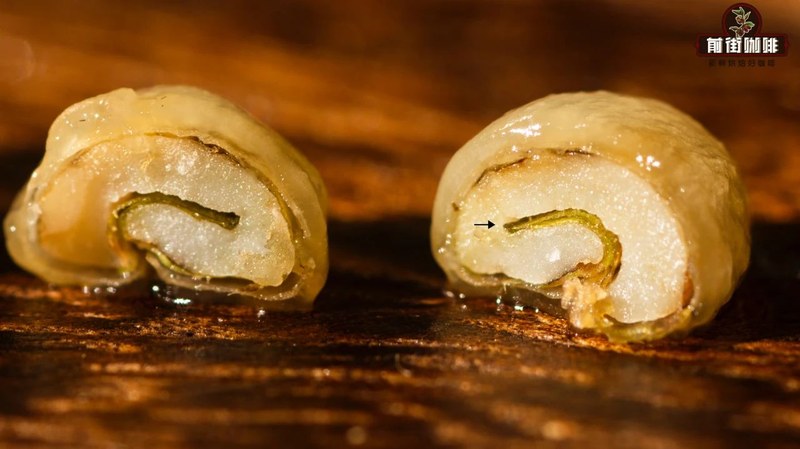
The key to enjoying coffee healthily lies in listening to your body's feedback and establishing comfortable and moderate drinking habits. By incorporating Bourbon-lineage single-origins of different roast levels and flavor characteristics into the day's routine, and supplementing with water and food pairings at suitable times, you can both keep caffeine intake within a safe range and fully experience the richly layered regional flavors in the cup, making coffee a healthy nourishment for daily life.
Related Reading





Comments (0)
Loading comments...
You May Be Interested




Trending Reviews
Popular Videos

With you, wherever you are! We provide useful features to help you find new things you'll love






