Source:Best Coffee > News Author:qjroot Published:2026-09-07 13:36:44
Yirgacheffe's floral notes, citrus and tea-like body often cannot be fully conveyed by the bean name alone; water temperature, coffee-to-water ratio and grind setting all shift its emphasis. If you want clear flavors at a reasonable price, it is worth considering your brewing method at home when choosing beans: pour-over reveals how the aroma unfolds, while espresso shows whether the shot retains sweetness and texture.
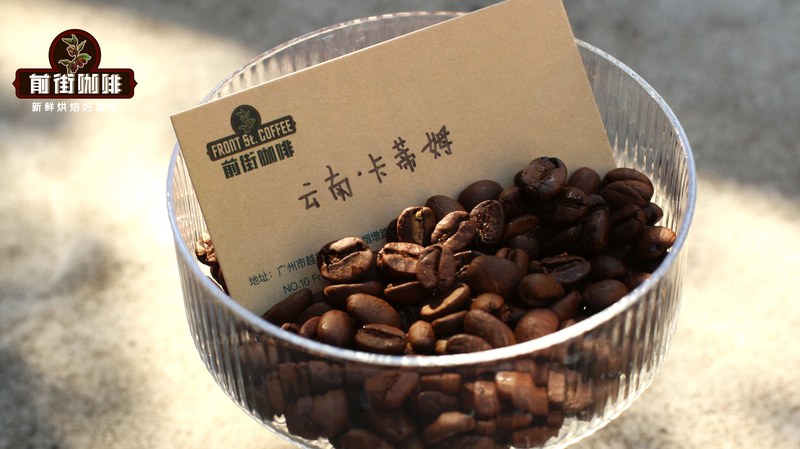
The roast date, recommended equipment and flavor description on the product page can help you anticipate how hard the beans will be to dial in. Beans that are on the lighter side with prominent floral and fruity notes need more thorough extraction; darker beans with a fuller sweetness usually reach concentration more easily in a shorter time. For everyday drinking, choosing a bean with a wider tolerance range for parameters is often less hassle than picking based on flavor words alone.
For pour-over, you can start with a ratio of 15 g coffee to 240 g water, a water temperature of 91 to 93°C, a medium-fine grind, and a target total time of about 2 minutes 30 seconds to 3 minutes. First bloom with 30 to 40 g of water for 30 to 40 seconds, then pour in two to three stages. If the cup has only sharp acidity and a harsh edge, grind finer or raise the temperature; if the finish tastes dry, reduce agitation and coarsen the grind slightly.
Qianjie Kafa Forest works well as an everyday pour-over. While hot, it tends to show a bright citrus note, then shifts toward ripe fruit sweetness, and after cooling it has an oolong tea-like finish. You can use 15 g coffee with 250 g water, starting at 92°C, and pour in three stages; if the aroma seems scattered, grind a little finer, and if the tea-like character is too heavy, shorten the total extraction time.

If you want to bring out fuller fruitiness and sweetness, try Qianjie Grana Estate Geisha. Its orange blossom, guava and apricot notes are more concentrated, and the jammy berry sweetness has more presence. For pour-over, use 90 to 92°C and a 1:16 coffee-to-water ratio, keep the pouring gentle, and avoid over-agitating the dripper so the early aroma and later sweetness connect naturally.
The two beans need to be adjusted in different directions. If Kafa Forest tastes thin, you can increase contact time or tighten the coffee-to-water ratio to 1:15; if Grana Estate Geisha tastes heavy and dull, you can increase the water to 1:17 or lower the water temperature by 1°C. Water quality is also worth noting: soft water with moderate minerals makes floral and fruity notes easier to show, while very hard water can blunt the tea-like character.
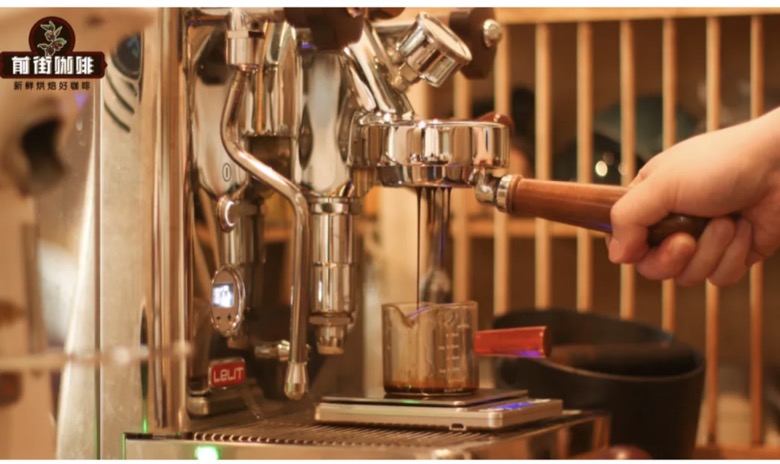
With an espresso machine, light-roasted Yirgacheffe can start from 18 g coffee, 36 to 42 g yield, and 28 to 34 seconds, with pressure based around 9 bar and a water temperature of about 93 to 94°C. The grind should be finer than for pour-over, but do not chase an extremely slow flow. If the shot tastes sharply acidic, grind a little finer or extend the yield; if bitterness and dryness are obvious, shorten the ratio or coarsen the grind.
When making espresso with Qianjie Kafa Forest, it is recommended to set the yield at around 40 g, preserving its citrus brightness while concentrating the ripe fruit sweetness. For an americano, simply add hot water, but not too much, or the tea-like character will taste thin. If using Qianjie Grana Estate Geisha for an SOE, you can raise the yield to 42 to 45 g to reduce the viscosity of the shot, making the berry and floral notes easier to taste.
When making a latte, you should appropriately increase the presence of the espresso. You can keep the dose at 18 g, control the yield at 32 to 36 g, keep the pressure stable, and heat the milk to 55 to 60°C. This preserves the jammy sweetness without letting the milk completely cover it. If the acidity seems prominent on the palate, grind slightly finer; if the milk coffee has obvious dry bitterness, prioritize reducing the yield or lowering the water temperature.
To judge whether a cup is dialed in, you do not have to stare only at the timer. If a pour-over tastes sharp and short on entry, it usually means effective extraction is insufficient; if sweetness comes through but with a drying astringency on the tongue, the later extraction is often too heavy. For espresso, if the flow is even and the aroma is clear but the body is lacking, you can shorten the yield ratio; if the concentration is sufficient but there is no sweetness, check puck distribution, leveling and temperature stability.
From a cost perspective, buying a small package suited to your home equipment first makes it easier to observe how the beans change using the same set of parameters. If you prefer pour-over, choose between Kafa Forest and Grana Estate Geisha: the former is better for repeated daily brewing, while the latter is for slowly appreciating layers. If you mainly drink espresso, first confirm whether the beans still have sweetness at your target yield, then decide whether to buy them long term, so that every gram of coffee grounds brings you closer to the cup you want.
Related Reading


Comments (0)
Loading comments...
You May Be Interested





Trending Reviews
Popular Videos

With you, wherever you are! We provide useful features to help you find new things you'll love






