Source:Best Coffee > News Author:qjroot Published:2024-08-12 18:41:11
South America is the world's fourth-largest continent, rich in natural resources and home to a relatively large number of volcanoes. South America contains the Andes, with many plateaus, hills and mountains, and the continent has an average elevation of 600 m. In addition, the continent is dotted with volcanoes, and the fertile soil provided by volcanic ash, together with the tropical climate across most of the region, warm and humid, makes these conditions highly suitable for coffee cultivation. South America therefore has quite a few major coffee-producing countries, such as Brazil, Colombia and Peru,
Among them, Colombia, thanks to its distinctive terrain and climate, has become the world's third-largest coffee-producing country. In western Colombia, three Cordillera mountain ranges run north to south, reaching toward the Andes; these ranges average over 3000 m in height, volcanoes are numerous across the ranges, and coffee is planted along the highlands of these mountains.
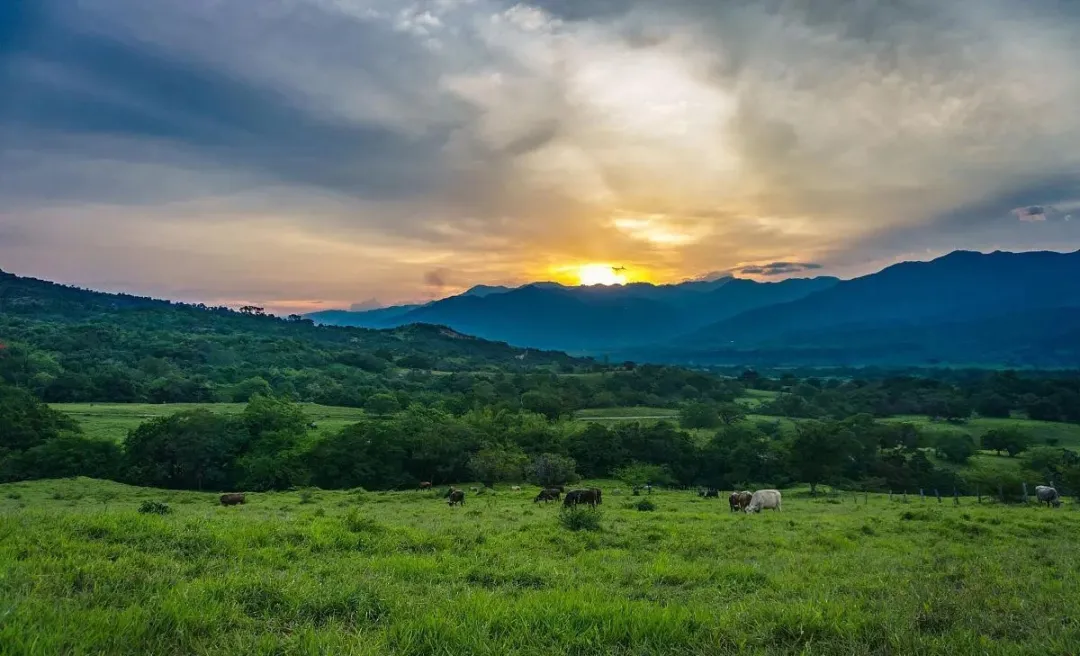
Colombia lies in the tropics, and its climate varies with the terrain: the eastern plains and the Pacific coast have a tropical rainforest climate, the mountains at 1000-2000 m have a subtropical climate, and the northwest has a tropical savanna climate. Its diverse climates, high-altitude mountain areas and fertile volcanic soil provide ideal conditions for coffee growing, and because the mountains offer a variety of climates, Colombia has a harvest season all year round, with coffees ripening successively at different times.
But Colombia's coffee path has not been smooth sailing. Coffee entered Colombia as early as the 18th century, initially planted in the Antioquia region and later spreading across the country. In the 19th century, however, war broke out in Colombia, causing the number of coffee growers to plummet, a large number of coffee estates to be abandoned, and the entire coffee industry to be severely hit.
After the conflict ended, the government, through land reform, began consolidating uncultivated land and dividing it into small plots, which were sold to farmers at extremely low prices so that those farmers could grow coffee and other crops. Afterward, much of the development of Colombia's coffee industry was thanks to the National Federation of Coffee Growers of Colombia (FNC).
The National Federation of Coffee Growers of Colombia (FNC) is a union founded in Medellin that brings together 560,000 coffee-producing families across 22 departments and 590 municipalities in the country. The organization successfully helped coffee grow into Colombia's main export crop, transforming Colombia's economy.
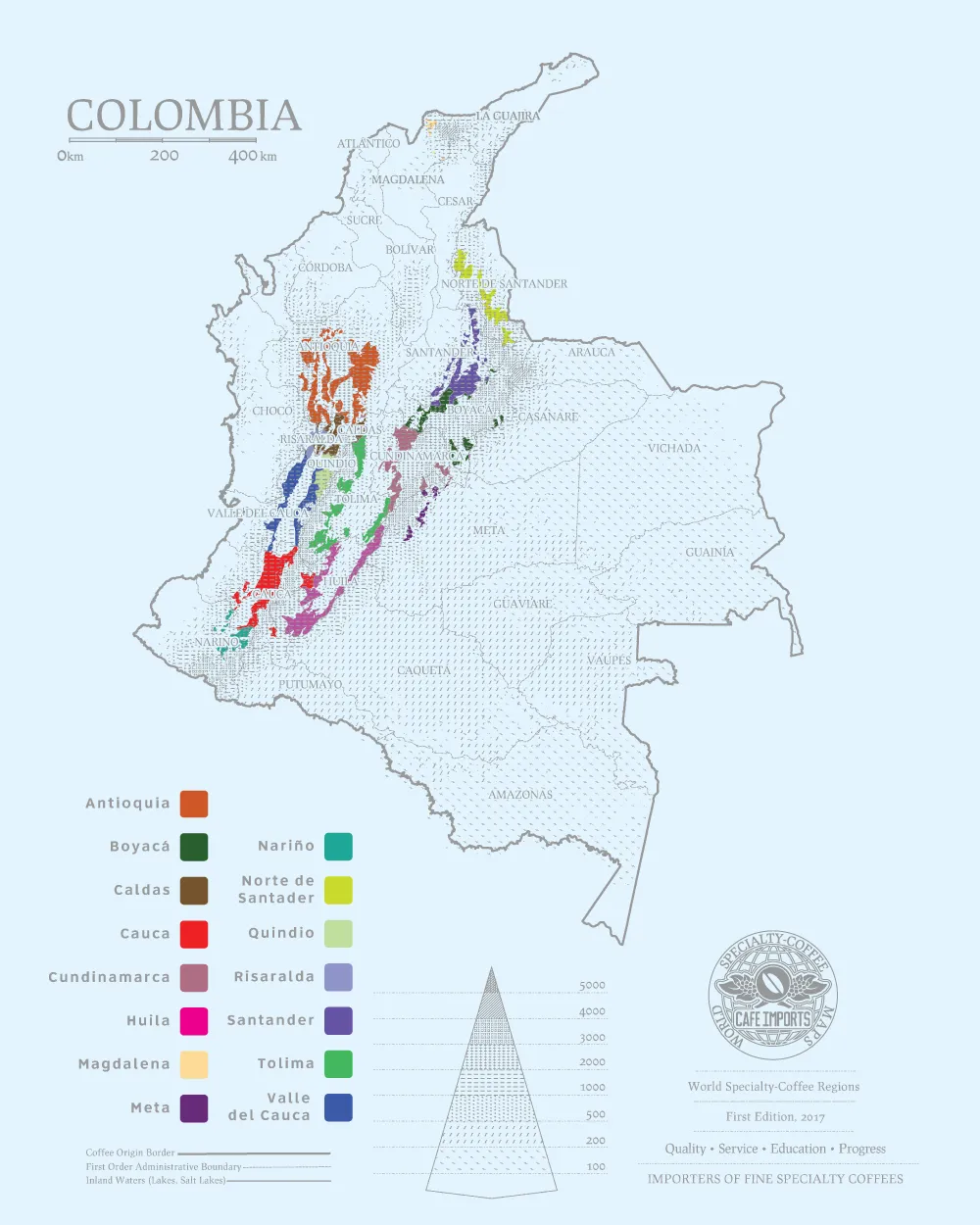
Colombia has 15 coffee-producing regions, and the main coffee-producing regions are primarily Cauca, Santander, Antioquia, Narino, Tolima, and Huila, among others.
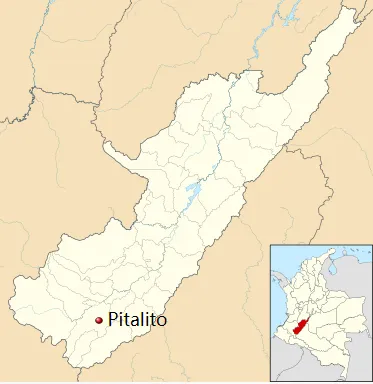
Among them, Huila (also known as Huila) is the most well-known coffee-producing region, located in the Andes mountain range in southwestern Colombia, within a valley, with multiple mountain ranges and volcanoes nearby. It also extends along the valley of the Magdalena River, Colombia's mother river, and coffee is grown on the slopes above 1500 m on both sides of the river valley. In the southwest, the town of Pitalito is the most important coffee production center in the department
The Huila region has a relatively high altitude, a large temperature difference between day and night, and is surrounded by mountains, making it less susceptible to severe weather. The soil here is rich in volcanic ash, and the suitable climate and rainfall give the coffee produced here excellent and consistent quality. FrontStreet Coffee has a washed Huila Colombia coffee that serves as a representative entry-level selection, with mild, gentle fruit acidity, notes of nuts, dark chocolate and caramel, an overall balanced profile and noticeable sweetness.
The Huila producing region is home to many well-known estates, such as El Diviso and El Rorble. El Rorble is located in the town of Pitalito in the southwestern part of the Huila producing region. Because there are several old oak trees on the estate, it was named El Rorble.
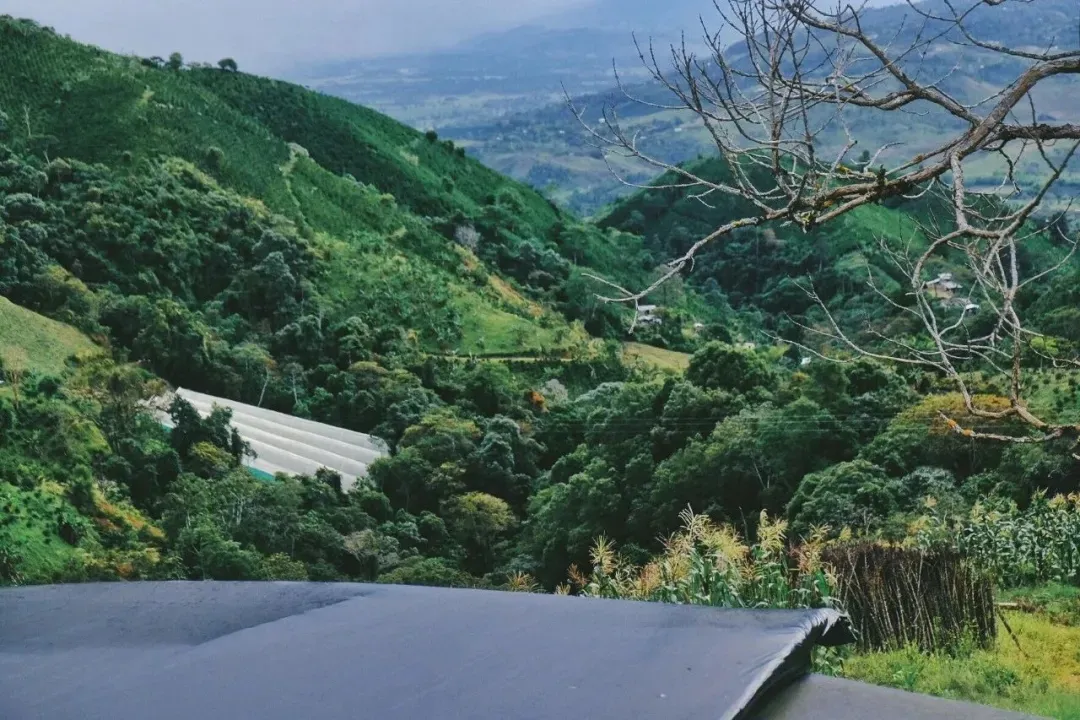
The estate is currently owned by Dionel Chilito, a third-generation coffee farmer of the Chilito family. Dionel places great emphasis on the development of the estate, has continuously learned to optimise coffee cultivation and processing, introduced multiple coffee varieties, and established strict standards for coffee harvesting, sorting, grading, processing and even the sanitary environment, all for the sole purpose of producing high-quality coffee.
Related Reading






Comments (0)
Loading comments...
You May Be Interested





Trending Reviews
Popular Videos

With you, wherever you are! We provide useful features to help you find new things you'll love






