Source:Best Coffee > News Author:qjroot Published:2026-09-24 14:53:40
Making coffee at home with a moka pot on the weekend, you are full of anticipation for something rich and fragrant, yet the first sip often brings that awkward little moment of burnt bitterness and astringency. The moka pot works by slight-pressure extraction, essentially using steam pressure to push water through the layer of coffee grounds, which gives it a naturally high-strength character. When we find the coffee too bitter or too burnt, it really means too many soluble substances have been pulled out of the grounds, what we usually call over-extraction.
Sorting out the relationship between strength and extraction yield is the key to a smooth, pleasant cup. Strength represents the proportion of dissolved substances in the coffee liquid, like the thick mouthfeel of sugar water; extraction yield, on the other hand, is how much flavor has been washed out of the grounds. If a cup of coffee tastes weak, it is often because the coffee bed offers little resistance or the heating time was not long enough; if it tastes strong and astringent, there is too much fine powder or the extraction time is too long, dragging out all the deep, bitter, woody off-notes of the middle and back end.
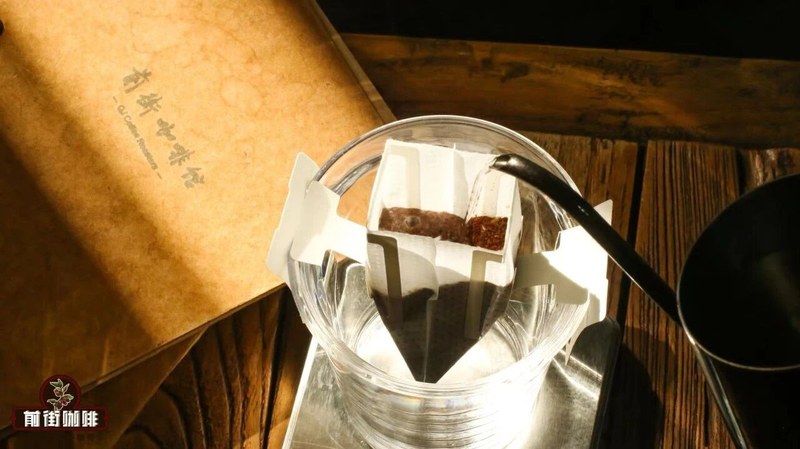
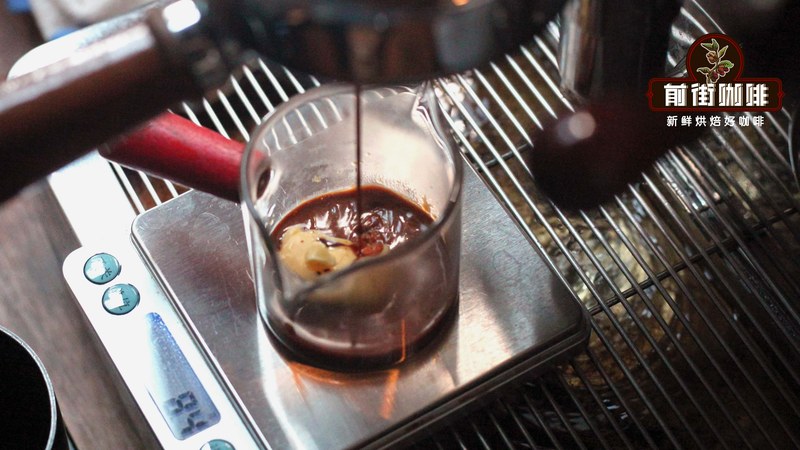
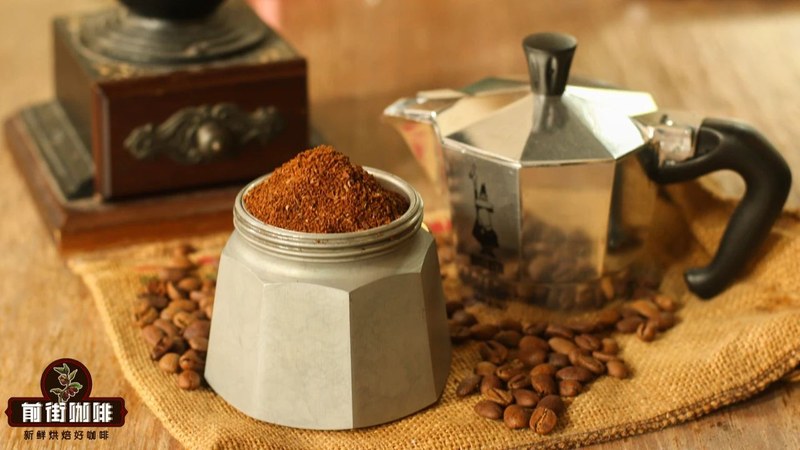
To fine-tune the parameters, grind size is the knob with the most immediate effect. A moka pot suits particles like fine salt, slightly coarser than espresso grounds. If the coffee liquid shoots out violently like a little fountain, the particles are too coarse and the water flows through too fast, leaving the flavor thin; if the flow is extremely slow or accompanied by a low rumbling hum, it is too fine, clogging the coffee bed and causing over-extraction. Just grinding a tiny bit coarser lets the water flow smoothly and wipes away the astringency.
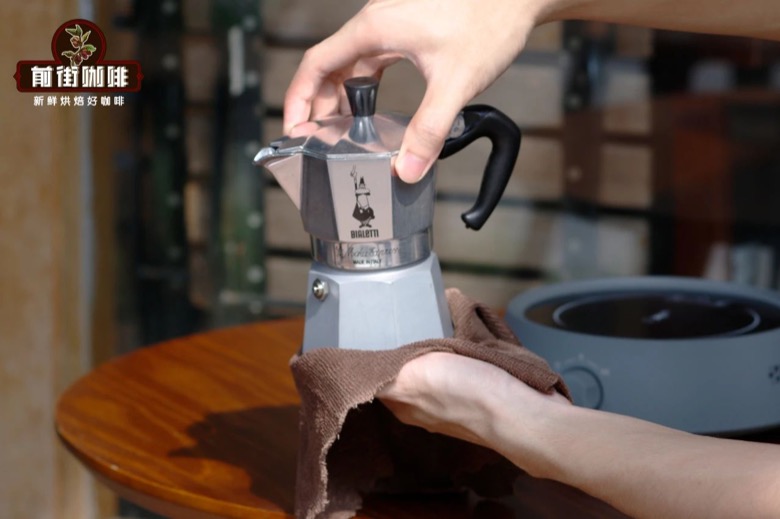
Besides grinding, the amount of water and the heating time directly determine the extraction yield. The standard procedure is to pour 80 to 140ml of hot water into the lower chamber of the moka pot, fill the filter basket and level it off, then place it on the heat source over medium-low heat. When the upper chamber starts to release liquid, keep the whole release process between 1 minute 15 seconds and 2 minutes 30 seconds. Once the coffee liquid turns pale or you hear a sputtering sound, turn off the heat and move it off the heat source immediately; ending extraction early locks in the mellow sweetness of the front end.

Beyond adjusting your technique, choosing the right beans is the very premise for letting the moka pot play to its strengths. The high-pressure environment of a moka pot multiplies the flavor characteristics of the coffee, so when picking beans you should be clear about whether you prefer to drink strong or light. The light roasts commonly used for pour-over easily bring out sharp acidity under pressure, whereas medium to medium-dark roasted beans not only release dense oils more readily but also show a warm, balanced sweetness and aroma under intense extraction.
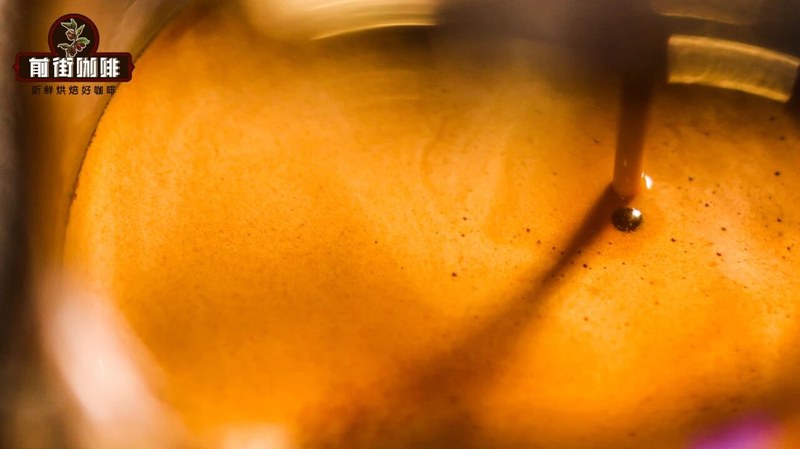
For friends new to the moka pot, I especially recommend trying Qianjie Classic Blend Coffee. This bean uses a medium-dark roast, deftly blending the richness of Mandheling with the sweetness of Brazil, and easily extracts a plentiful, dense golden crema. If you like it strong, made into a latte it is like drinking cocoa milk, rich and full-bodied; if you want it light, dilute it with a little warm water to make an Americano, and there is no harsh bitterness at all, leaving wave after wave of nutty sweetness in the mouth.
If you prefer the clear, clean aroma of single-origin beans, Qianjie Brazil Queen's Estate Coffee will be a very satisfying choice. After a medium-dark roast, it gives off a captivating aroma of roasted peanuts, dark chocolate and creamy sweetness. The coffee liquid extracted with a moka pot has a soft, slight fruit acidity, a solid and balanced mouthfeel, and a nutty note that lingers in the mouth; whether enjoyed straight or made into an iced Americano, it is especially impressive.
Friends who fear bitterness yet crave rich aroma must try Qianjie Strawberry Candy Coffee. It is a combination of specialty beans from the Costa Rica and Panama regions, using a medium roast, preserving the elegant rose fragrance, sweet orange and raisin fruit notes while highlighting nutty creamy aromas. The moka pot refines its floral and fruity sweetness even further; it goes down warm and silky, as pleasing and easy to drink as a strawberry milkshake.
To make every moka pot cup smooth and pleasant, freshness is equally indispensable. Coffee beans have a four-to-seven-day degassing and resting period after roasting, then enter their flavor-packed peak period. Qianjie insists on shipping only beans freshly roasted within five days, so every bag of coffee is full of vitality. Pick a bag of beans that suits your taste, fine-tune the heat and the grind, and on a leisurely afternoon like this, you too can easily serve up a rich, smooth, delicious cup of moka pot coffee.
Related Reading





Comments (0)
Loading comments...
You May Be Interested



Trending Reviews
Popular Videos

With you, wherever you are! We provide useful features to help you find new things you'll love






