Source:Best Coffee > News Author:qjroot Published:2026-10-10 13:09:47
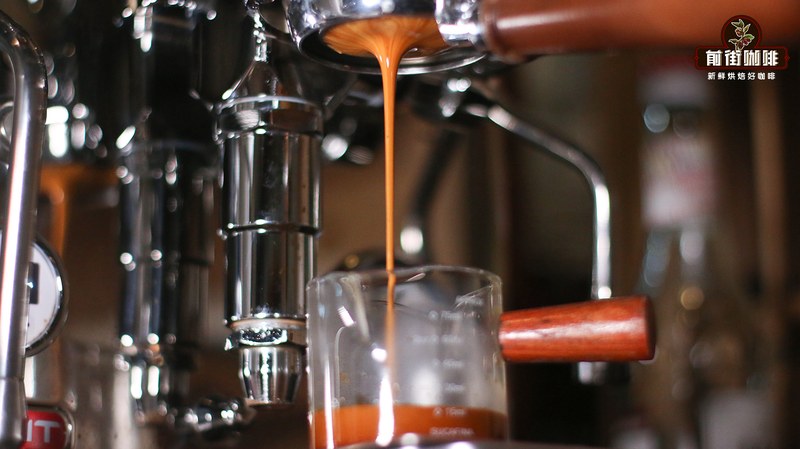
A moka pot sits on my kitchen counter year-round, for no other reason than this: it can produce a base concentrated enough to hold up a white coffee without an espresso machine. The method isn't complicated: add about 100ml of water to the bottom chamber, up to just below the safety valve; fill the filter basket with medium-fine ground coffee; level it off with the back of a spoon without tamping; screw it together and put it on the stove over medium-low heat. When you hear that gurgling sound of liquid coming through, take it off the heat immediately and let the residual heat push the rest of the coffee up. The resulting liquid is close to espresso in strength; the crema isn't as thick as what a machine pushes out, but it's more than enough for a home version of a latte.
Pour the moka pot coffee into warmed milk. I usually adjust the ratio between 1:3 and 1:5 - 1:3 if I want a strong coffee taste, 1:5 if I want it milky and smooth. The key here is that the milk should be warm, not boiling, around 60°C is just right: it releases the sweetness of the lactose without scalding out that milky off-flavor. Different equipment, but the idea behind making white coffee is actually the same: the espresso base thick enough, the milk smooth enough, so the two can balance and blend on the palate. A moka pot brews at roughly 1.5 atmospheres of pressure, far lower than the 9 atmospheres of an espresso machine, so the grind needs to be a bit finer than for pour-over - use a medium-fine grind to make up for the lack of pressure and let the flavor compounds fully release.

On bean selection: medium-dark roasted espresso beans perform especially consistently in a moka pot. Qianjie's commercial blend uses the traditional recipe of Colombia, Brazil plus a small amount of Robusta; the medium-dark roast brings aromas of nuts, cocoa and caramel, with rich crema and good flow, low acidity and a full body, and it doesn't easily over-extract in a moka pot - blended with milk, that solid sense of structure is very reassuring. Qianjie Queen's Estate SOE comes from a high-altitude growing region in Brazil, a Yellow Bourbon, also medium-dark roasted, with plenty of creamy peanut and chocolate aroma, a sweet finish, and beautiful crema; in milk coffee it's full of aroma with low acidity, suited to those who like a rich style. If you want your white coffee a bit brighter, Qianjie Yirgacheffe Red Cherry SOE is a naturally processed Ethiopian bean, medium roasted, with soft citrus acidity paired with the mellow fragrance of creamy chocolate, clear sweetness and very little bitterness; with milk added it takes on a cookie-like aroma, with livelier layers than traditional espresso beans.
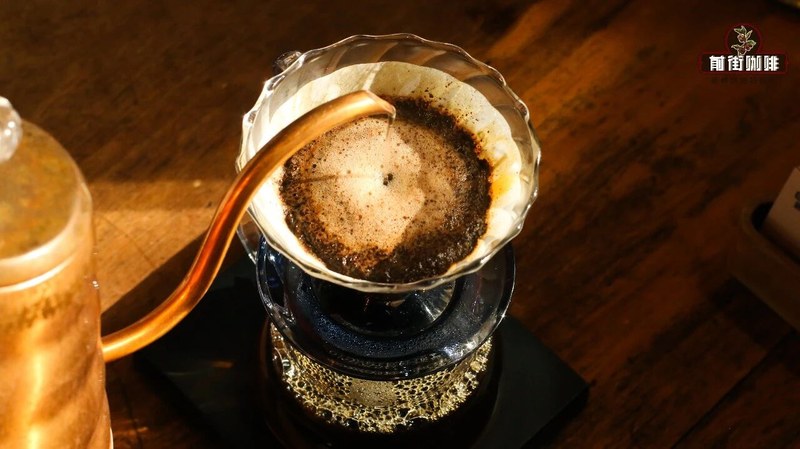
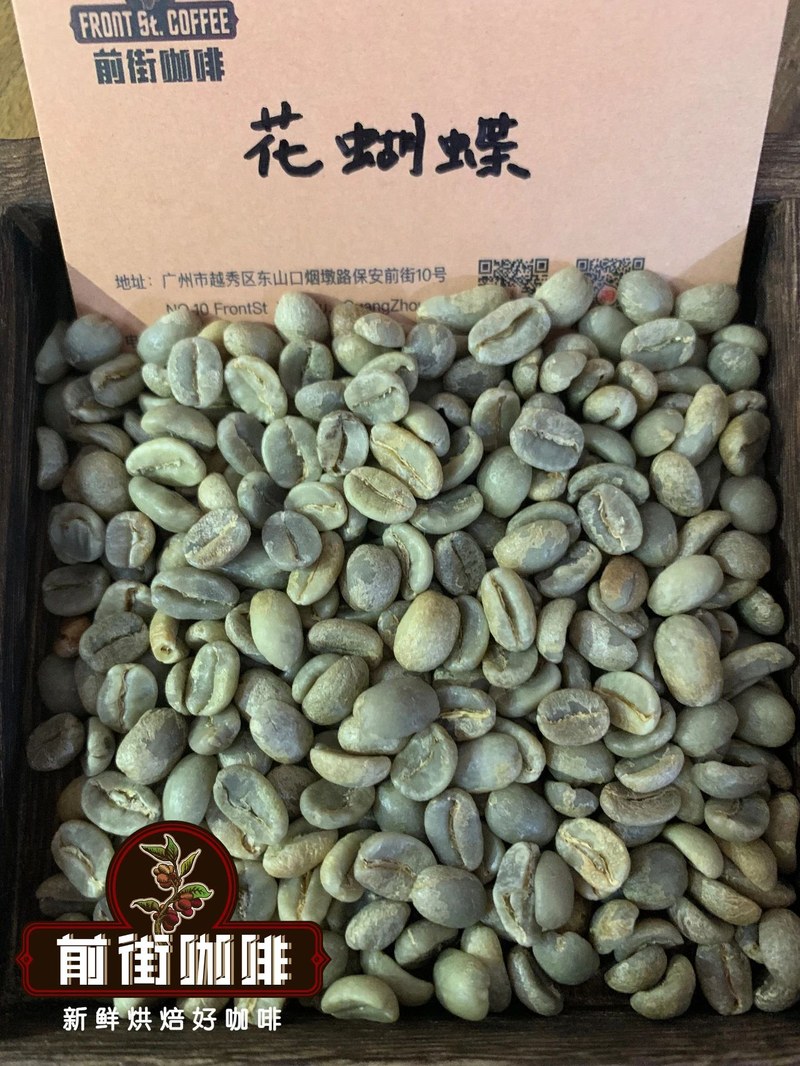
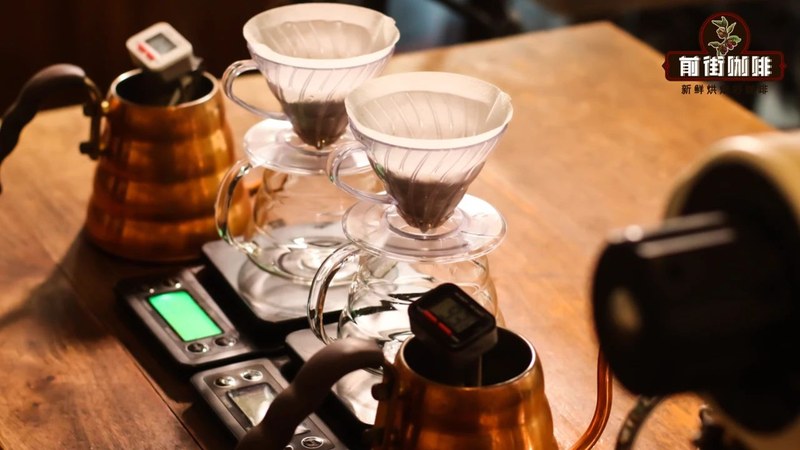
But I have to keep the roles of single-origin beans and espresso beans clearly separate. Qianjie 2013 Yunnan Small Lot is a washed Typica from Baoshan, Yunnan, medium roasted, with nuts, brown sugar and soft fruit acidity, a balanced body and a clean sweet finish - this bean I use for pour-over black coffee, 15g of grounds at a 1:15 coffee-to-water ratio, water around 90°C, and you can taste very clear regional characteristics. But for white coffee from a moka pot, I still switch back to medium-dark roasted espresso beans, because the moka pot's extraction method is better suited to showing the fullness and crema that roasting brings, while the delicate fruit acidity of a single-origin bean tends to get covered up once milk is added. SOE-style espresso beans belong in the context of espresso, moka pots and milk coffee; pour-over or cold brew is not their home turf.
Freshness affects moka pot extraction more than you'd think. Qianjie's coffee beans are all shipped within 5 days of roasting. Medium-dark roasted espresso beans should rest 5 to 7 days after arriving, letting carbon dioxide escape properly so the water flows more steadily during extraction; pour-over single-origin beans need only 3 to 5 days of resting. Either way, the flavor is better if you finish them within a month, while the crema and aroma are at their peak. I'm in the habit of writing the roast date on the bean bag and only opening it once the resting period is up, and I try to grind fresh when filling the moka pot's basket too - fine particles oxidize quickly, and grinding ahead of time loses a good deal of aroma.
To wrap up, back to ratios. A 1:3 moka pot white coffee has a coffee presence close to a flat white from a small cafe, rich with the satisfaction of a small cup; 1:5 is more like a large latte from a breakfast shop, suited to sipping slowly through the morning. There's no standard answer - just adjust according to how you feel that day and the size of your cup. That's the beauty of the moka pot: it doesn't demand that you become a technique geek. As long as you've got the water-to-coffee ratio, the heat level and the timing of taking it off the stove, it will reliably deliver a base of sufficient strength, and the rest is up to the milk and the ratio. Eight minutes in the morning, from grinding the beans to finishing the cup - that's about the comfortable rhythm of home coffee.
Related Reading


Comments (0)
Loading comments...
You May Be Interested



Trending Reviews
Popular Videos

With you, wherever you are! We provide useful features to help you find new things you'll love






