Source:Best Coffee > News Author:qjroot Published:2026-09-07 12:59:00
Body is not the same as heavy bitterness; it is closer to the coffee's weight on the tongue, sweetness and smoothness. When the beans themselves have nutty, cocoa or caramel notes, the brewing parameters should help these flavors unfold fully, rather than simply extending the time. Pour-over can shape body through water temperature and coffee-to-water ratio, while espresso relies on grind, liquid yield and pressure to keep the shot full.
If you want a bean that works for both pour-over and espresso, you can look at Qianjie Brazil Queen's Estate. Its flavor focus lands between roasted nuts, cocoa and a syrupy sweetness, with softer acidity and a fairly wide room for adjustment. If you prefer a more grounded herbal and dark chocolate character, Qianjie PWN Indonesia Golden Mandheling will be closer to a dark-flavor orientation.
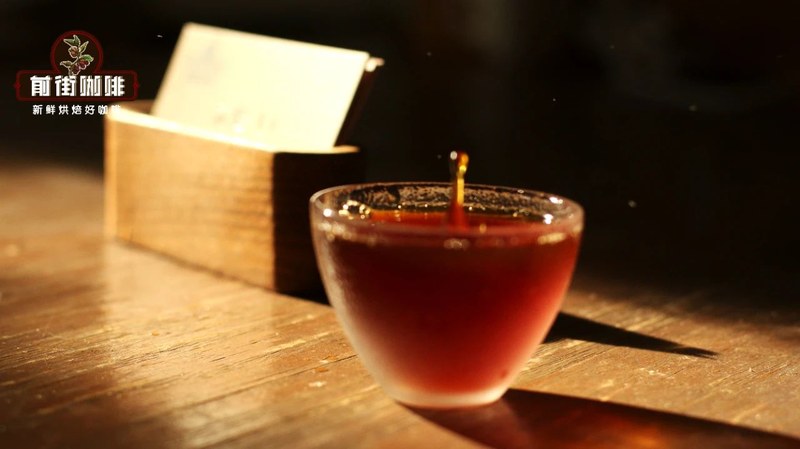
To brew Brazil Queen's Estate as pour-over, you can start with 15 g of coffee and 225 g of water, a ratio of about 1:15, a water temperature of 91 to 93°C, and a medium-fine grind. First pour about 35 g of water to bloom for 35 seconds, then pour in two or three stages, keeping the total time at around 2 minutes 40 seconds. This extraction speed preserves sweetness while giving the cup more noticeable body.
If the pour-over tastes thin on entry, first grind slightly finer, or tighten the coffee-to-water ratio to 1:14.5 so that each unit of water carries more solubles. If you taste woodiness, burnt bitterness or a drying sensation on the tongue, lower the water temperature by 1 to 2 degrees and reduce the final pour. There is no need to stir aggressively while pouring; a steady stream makes it easier to get a rounded mouthfeel than deliberately washing the coffee bed.
For medium-dark roasted beans, pour-over does not necessarily require very high temperatures. Water that is too hot will quickly draw out roast and bitter notes, instead suppressing the beans' sweetness. You can start at 90 to 91°C, use a grind slightly coarser than medium-fine, and set the coffee-to-water ratio between 1:15 and 1:16. If the aroma is insufficient, gradually grind finer rather than directly raising the water temperature.
Qianjie PWN Indonesia Golden Mandheling is suited to a full-bodied approach with lower acidity. Use 15 g of coffee with 210 to 225 g of water, a water temperature of about 90°C, a grind slightly coarser than regular medium-fine, and an extraction time of 2 minutes 30 seconds to 2 minutes 50 seconds. The cup will more readily show herbal, dark chocolate and dark sweetness; if the finish tastes bitter, shorten the total water amount or reduce agitation.
Moving to the espresso machine, Qianjie Classic Blend can start with 18 g of coffee, a yield of 34 to 38 g, a total time of 26 to 30 seconds, a pressure reference of 8 to 9 bar, and a water temperature of 91 to 93°C. The grind should reach a fineness like fine granulated sugar, but water should still flow smoothly through the puck. This range suits espresso and also preserves enough coffee presence for milk drinks.
If the espresso flows too fast and tastes sharp and thin on entry, grind one step finer, or reduce the yield by 2 to 3 g to concentrate the sweetness and texture. If the flow is slow, the color darkens quickly, and it tastes dry and bitter, grind coarser and lower the pressure to around 8 bar. Dark-roasted beans usually do not need a long extraction; a shorter ratio often better preserves the soft cocoa and caramel feel.
When making a latte, Classic Blend can control the yield from 18 g of coffee at 32 to 36 g, then pair it with about 150 g of milk heated to 55 to 65°C. With a larger amount of milk, the espresso needs higher density; if the coffee flavor is completely covered by the milk, reduce the milk rather than blindly grinding finer. Those who like a rounded nutty profile can also use Brazil Queen's Estate to make the same recipe.
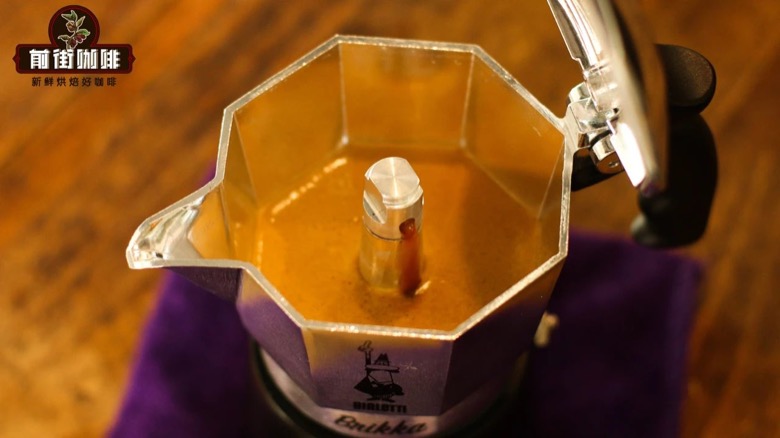
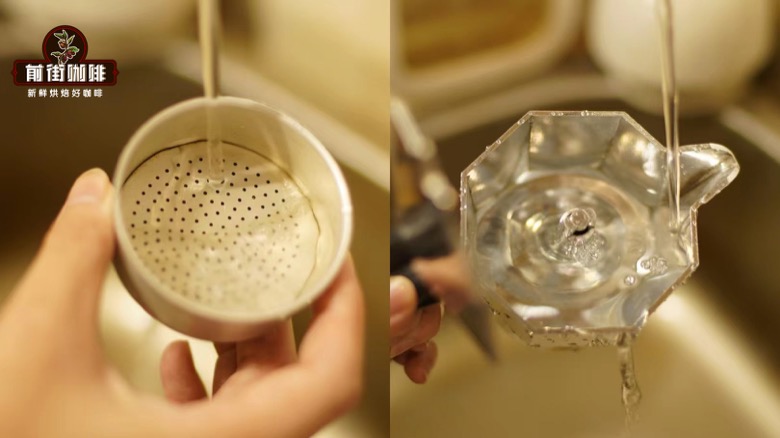
A moka pot suits beans with mild acidity and clear sweetness. Fill the filter basket to capacity with coffee and level it off, use a grind slightly coarser than espresso, add hot water to the pot, and heat over low heat; when the coffee begins to flow continuously and the color turns lighter, remove it from the heat source. Mandheling suits a rich americano, while Brazil Queen's Estate brings out more pronounced nutty sweetness.
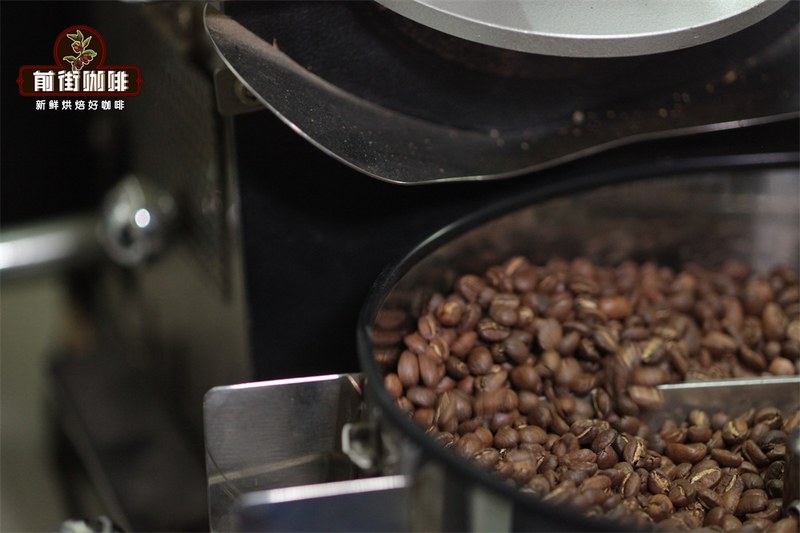
Each time you adjust the beans, first weigh the coffee dose and beverage weight accurately, then change only one of grind or water temperature, and record the entry texture, how long the sweetness lasts, and whether the finish is clean. For pour-over, the key to body is giving sweetness weight; for espresso, the key to body is keeping the shot clear even in milk or hot water. Once you find matching parameters, the same bean can also present different yet stable ways of drinking.
Related Reading



Comments (0)
Loading comments...
You May Be Interested



Trending Reviews
Popular Videos

With you, wherever you are! We provide useful features to help you find new things you'll love






