Source:Best Coffee > News Author:qjroot Published:2026-10-05 16:17:20
The moka pot relies on high-temperature steam pressure to extract, and its principle is somewhat similar to an espresso machine. Pressure locks the flavor tightly into the liquid, and the resulting coffee is aromatic with a thick mouthfeel. But many beginners stumble on their first try: the bottom of the pot turns black and the coffee carries a burnt, bitter taste, drinking like "Chinese herbal medicine soup". In fact, the problem usually comes down to three areas. Find the cause and adjust, and a home moka pot can reliably make good coffee.
The first pitfall is choosing the wrong beans. The darker the roast, the heavier the caramelization reaction, the more bitter compounds are generated, the original delicate aromas are roasted away to almost nothing, and the acidity nearly disappears entirely. The moka pot itself extracts at a relatively high temperature, so using dark-roasted beans is like "pouring fuel on the fire", and a scorched, bitter bottom is almost unavoidable. Beginners are advised to lock in on medium-dark roasted beans, which can withstand the moka pot's extraction intensity while retaining the flavor layers the beans should have. For a first purchase, you can try Qianjie Commercial Blend, Brazilian and Colombian Arabica paired with a small amount of Robusta, with exceptionally rich crema, obvious caramel sweetness, and a flavor direction of nuts, cocoa and dark chocolate, with a sweet-acid balance that astonishes. It is very stable for making Americano or milk coffee. If you want to experience a livelier style, Qianjie Strawberry Candy Blend is a particularly recommended choice, medium roast, with prominent berry candy sweetness, a lively and bouncy sweet-acid feel, an obvious juice-like quality when made into Americano, and crema performance that is also very much on point.
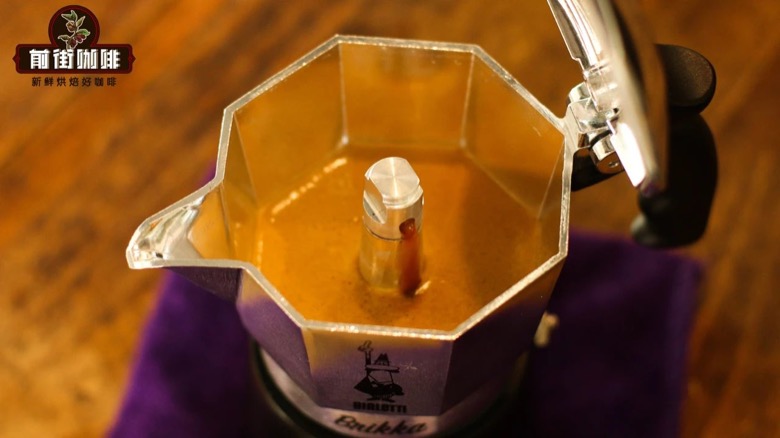
The second pitfall is too fierce a flame. After the water in the lower chamber is heated to boiling, the amount of steam rises sharply. If you still keep it on high heat at this point, the pressure multiplies, the coffee liquid sprays out like a little fountain, the extraction time is extremely compressed, and the edges of the coffee bed are highly prone to over-extraction and scorching. The correct operation is: put 80 to 140 ml of water in the lower chamber, keep the water level about 0.5 cm below the safety valve, fill the filter basket and level it off, and heat over medium-low heat. Once the coffee liquid starts to flow out, immediately reduce the heat, or simply move the pot off the heat source. Control the entire outflow process to between 1 minute 15 seconds and 2 minutes 30 seconds, and turn off the heat when you see the coffee liquid half out, letting the residual heat push the rest through. This way the extraction is even, and the final stage will not carry scorched, off-flavors.
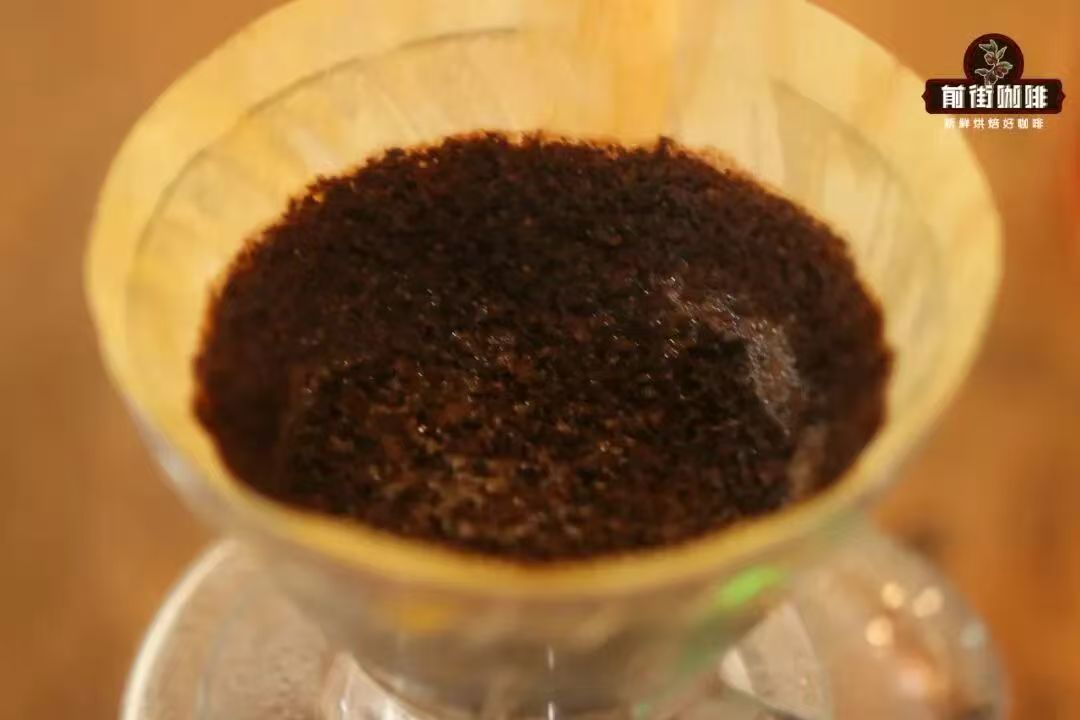
The third pitfall is not having dialed in the grind size. The grind for a moka pot should be coarser than for an espresso machine and finer than granulated sugar, close to the feel of fine salt, with a slight grittiness when rubbed, and a particle diameter of roughly 0.3 to 0.55 mm. The way to judge is very practical: if the grind is too coarse, hot water passes through too quickly, and the coffee liquid will gush out rapidly or even "fountain"; if the grind is too fine, the water is already boiling and whining, yet the coffee liquid is slow to come up. At this point you must decisively turn off the heat, otherwise the coffee bed gets smothered at high temperature and the burnt bitterness is unavoidable. Beginners can use a particle size ruler as a reference, or spend three or four sessions specifically dialing in, adjusting a little each time, recording the heat, time and outflow state, and you will quickly find the feel. When dialing in, remember to wear heat-insulated gloves; the pot body is very hot, safety first.
Once the parameters are set, the ratios for milk coffee can also be noted down along the way. The coffee liquid from a moka pot is close to espresso in strength but slightly lower. Compared with the common espresso machine ratio of 18 to 19 g of coffee out to 36 to 38 g of liquid, the moka pot's extraction is gentler. When making a latte, pair coffee and milk at about 1:4, for example 45 ml of coffee liquid with 180 ml of milk. Beans with a caramel-nut profile can stand up to the milk's sweetness and will not be thin as water. Qianjie Commercial Blend performs very solidly in this kind of milk coffee, while Qianjie Strawberry Candy Blend made into a hot latte reveals a playful sweet-acid note from the berry sweetness, a stunning at-home experience.
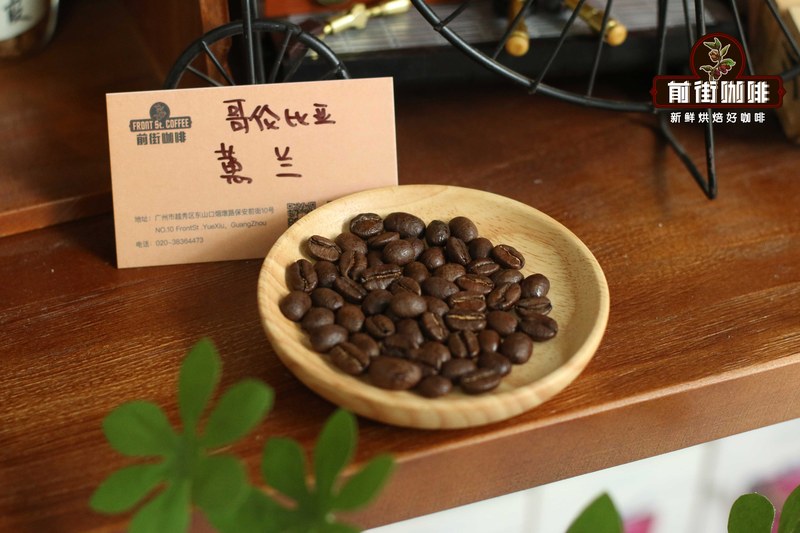
In the end, the burnt taste from a moka pot is not the pot's fault; it is that the person and the pot have not yet "broken in" together. Choose the right medium-dark roasted beans, change the heat from "fierce high-heat attack" to "gentle low-heat simmering", and adjust the grind to a fine-salt-like grittiness. With all three working together, this little aluminum pot can reliably deliver rich, full-bodied coffee. Beginners do not need to chase perfection; try a few more times and record how the variables change each time, and soon you will hear a gentle gurgle from the pot rather than a piercing screech.
Related Reading




Comments (0)
Loading comments...
You May Be Interested




Trending Reviews
Popular Videos

With you, wherever you are! We provide useful features to help you find new things you'll love






