Source:Best Coffee > News Author:qjroot Published:2024-07-20 18:56:25
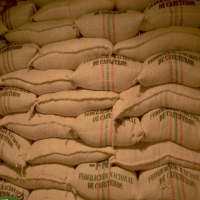
According to the coffee port export report released by the Brazil Coffee Exporters Council Cecafe on July 19, a total of 413 container ships were responsible for coffee exports in June, but 254 of them encountered delays at major ports or changes during the voyage, accounting for 62%.
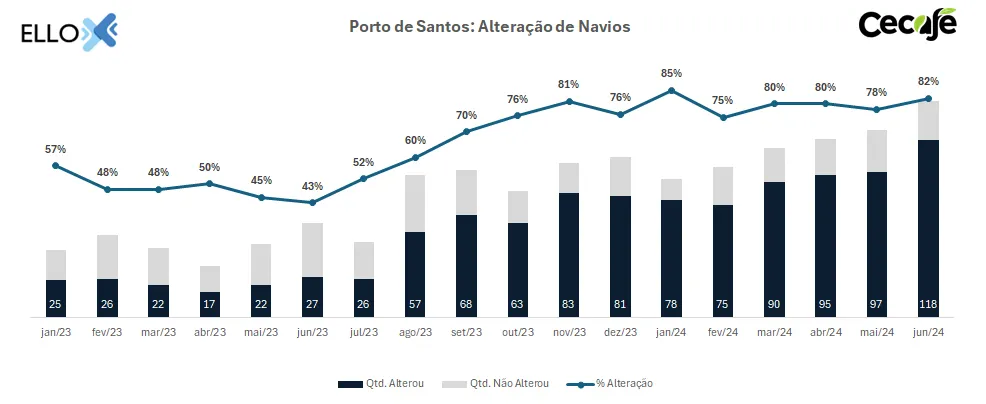
In addition, the Brazil Coffee Exporters Council Cecafe surveyed 30 exporting companies, and the survey pointed out that in June alone, due to ship delays, deadline changes, lack of space at port terminals and insufficient manpower, Brazil stopped exporting 1.23 million bags of coffee (60 kg/bag).
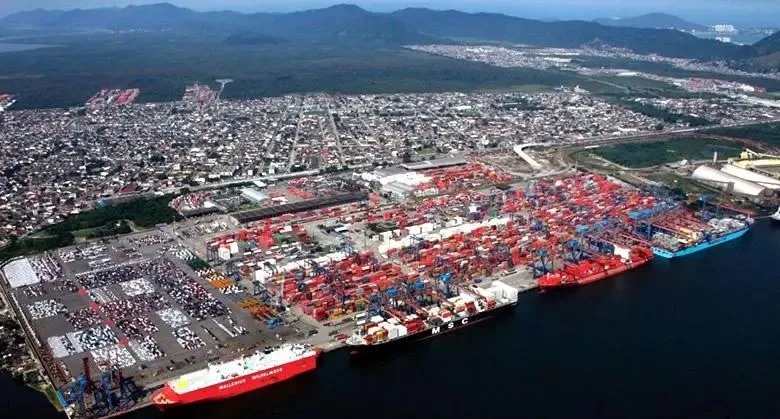
And the halt of exports of these 1.23 million bags of coffee reduced foreign exchange earnings by 1.588 billion reais for the month (about 290 million US dollars). It also caused losses of about 4.7 million reais for these 30 companies.As for the ports, the delay rate at Brazil's largest port, the Port of Santos, hit a new high, reaching 82%, while the delay rate at the ports of Rio de Janeiro and Itaguai in June reached 51%.
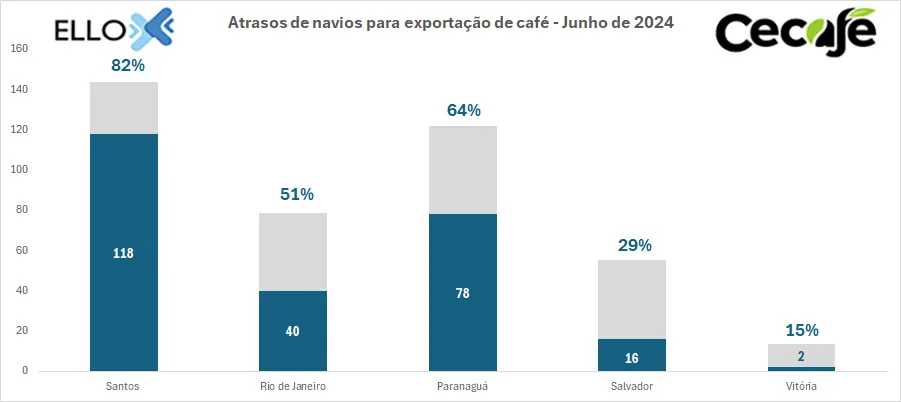
Victoria Harbour is another port suffering severe logistics bottlenecks, where vessel queues, container scarcity, difficulty controlling the gates, and shortages of cargo handling space and manpower have led to cargo losses, cargo being diverted to other ports and higher coffee shipping costs.According to statistics, Victoria Harbour stopped6month37.4ten thousand bags of coffee, equivalent to30%of Brazil's unshipped coffee last month, causing Brazil to lose about4.8billion reais (about8950ten thousand US dollars) in foreign exchange earnings.
Besides the severe export problems, weather issues are also affecting Brazil's coffee industry at the same time. According to a report released by Brazil's meteorological agency on July 19, the high temperatures in parts of central-western and northeastern Brazil are even more intense, and maximum temperatures will be very high. In the coming period, a large amount of hot, dry air will bring intense high-temperature weather to most of Brazil, mainly affecting the country's central-west, southeast, north and northeast regions, and many cities will see temperatures above 35°C.
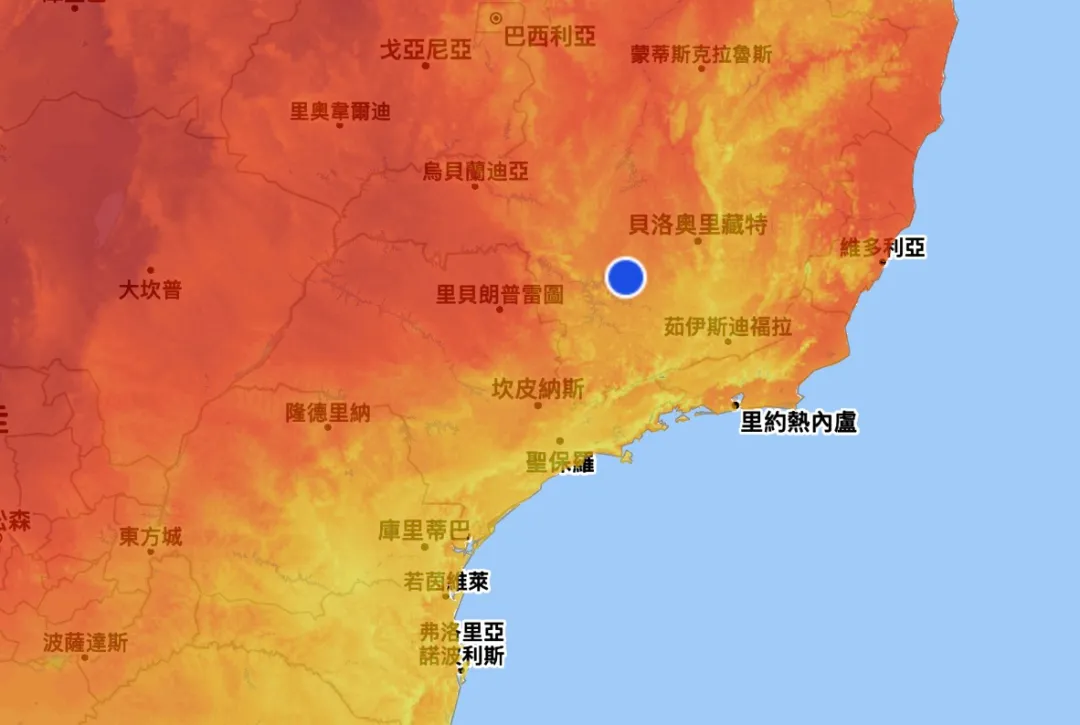
It is said that the states in northeastern Brazil are currently expected to face the most severe heat, with maximum temperatures in many cities expected to reach around 35°C or even above 35°C, and possibly record highs of up to 37°C or 38°C.And in the coming days, the dry, hot air mass will gradually strengthen, the area of high temperatures within Brazil will keep expanding, maximum temperatures will keep rising, and the high temperatures will last longer.
At this time of year, drier regions, such as Minas Gerais and the inland areas of Sao Paulo, will experience the hottest weather. Yet conditions in southern Brazil are similar, where afternoon temperatures are expected to be higher than the historical average for July, but in the high-altitude areas of the south, nights will become colder, with frost even occurring.
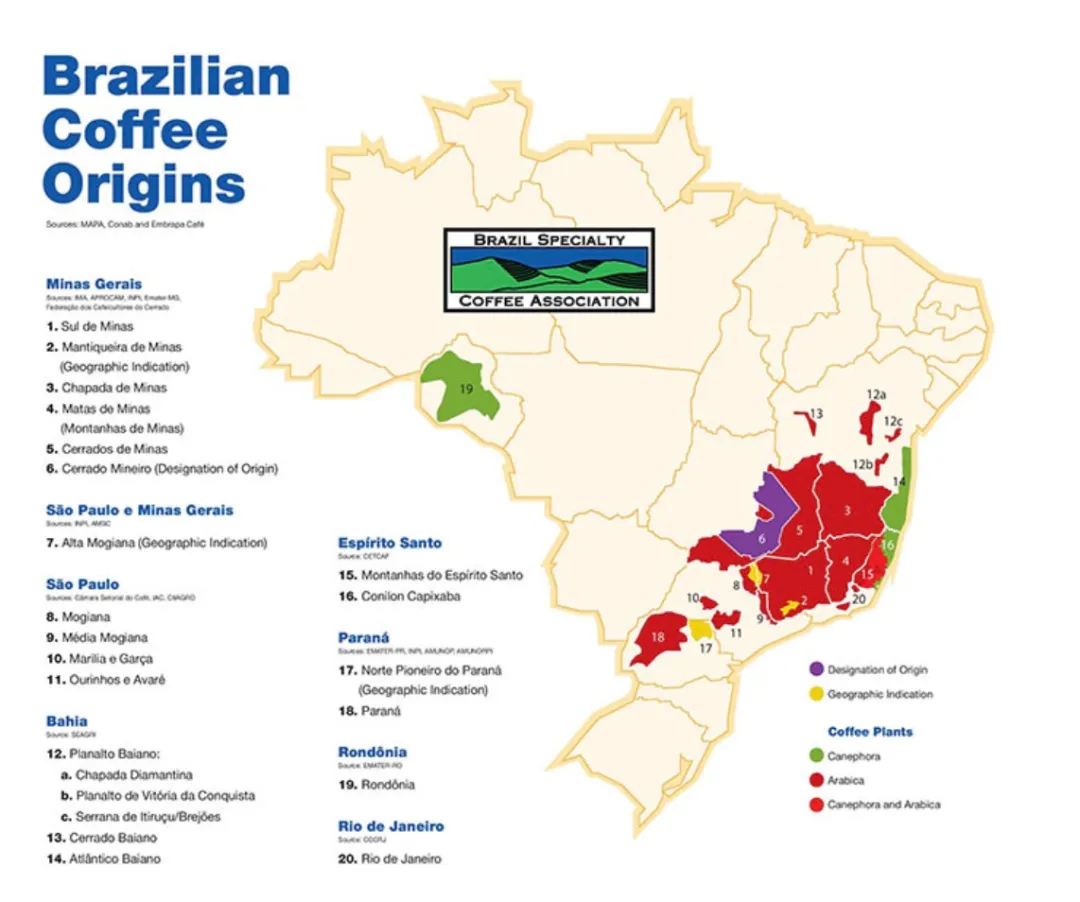
It is understood that this high-temperature event will be concentrated in the central and northern regions of Brazil, among which are many coffee-producing areas, such as Minas Gerais, Sao Paulo State and Espirito Santo State, and the high temperatures will have considerable impact on these coffee-producing areas.
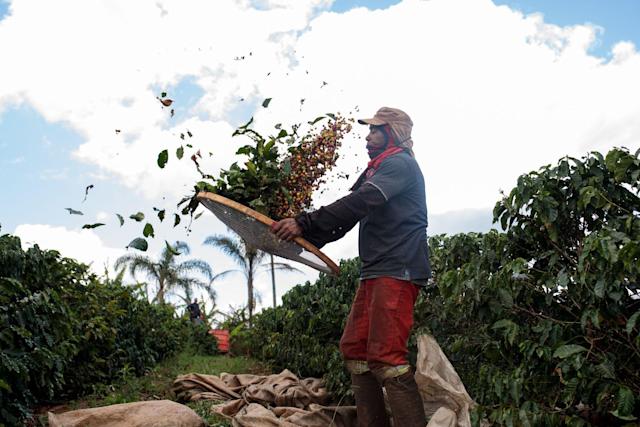
At present, Brazil is in the coffee harvest season, and although the current dry weather conditions are favorable for the harvest, they also have considerable impact on yields. In Minas Gerais, the effects of drought and high temperatures are very great; high temperatures may cause coffee leaves to be scorched by the sun. In addition, high temperatures will also favor the reproduction and spread of pests and diseases, and with the low rainfall in recent times, this will ultimately lead to a decline in coffee yield and quality.
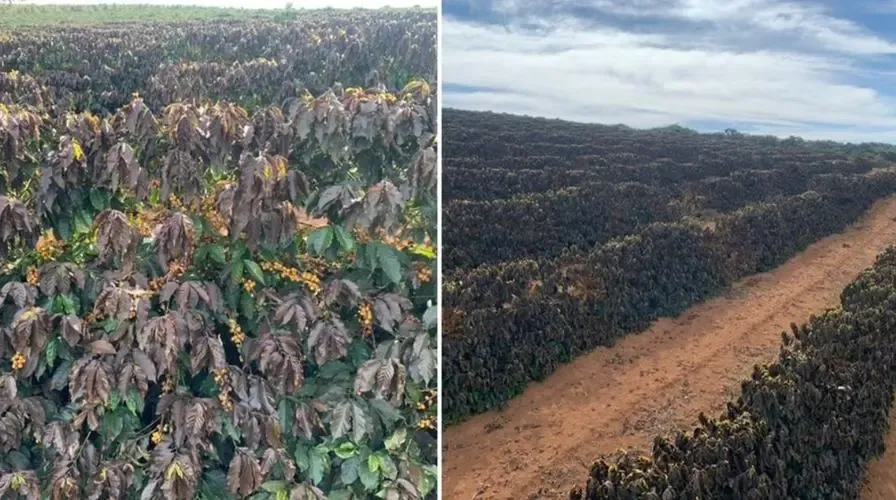
According to data from local consultancy Safras, Brazil has now harvested 66% of this year's total coffee production. However, due to the persistently dry weather, production is lower than market expectations, and coffee beans have been coming out on the small side. Combined with the upcoming high temperatures, production will fall further, with the latest market forecast putting the decline at 2 to 3 million bags (60 kg/bag), which could keep coffee prices high for now.
In addition, according to data released by Brazil's Ministry of Health on July 18, since the start of 2024, suspected and confirmed dengue cases in Brazil have risen to 6,365,727, and deaths have risen to 4,691, with another 2,381 deaths still under investigation. Brazil currently ranks first in the world for confirmed and suspected dengue cases, and the current high temperatures are also making the disease worse.
Related Reading





Comments (0)
Loading comments...
You May Be Interested



Trending Reviews
Popular Videos

With you, wherever you are! We provide useful features to help you find new things you'll love






