Source:Best Coffee > News Author:qjroot Published:2024-11-24 16:26:03
For those who enjoy coffee with fruity acidity and floral aromas, Ethiopia inevitably comes to mind. Among Ethiopia's many coffee regions, the Yirgacheffe region, thanks to its unique geographical environment and climatic characteristics, produces coffee with distinct floral, lemon and citrus fruit acidity, making it deeply loved by many coffee enthusiasts.
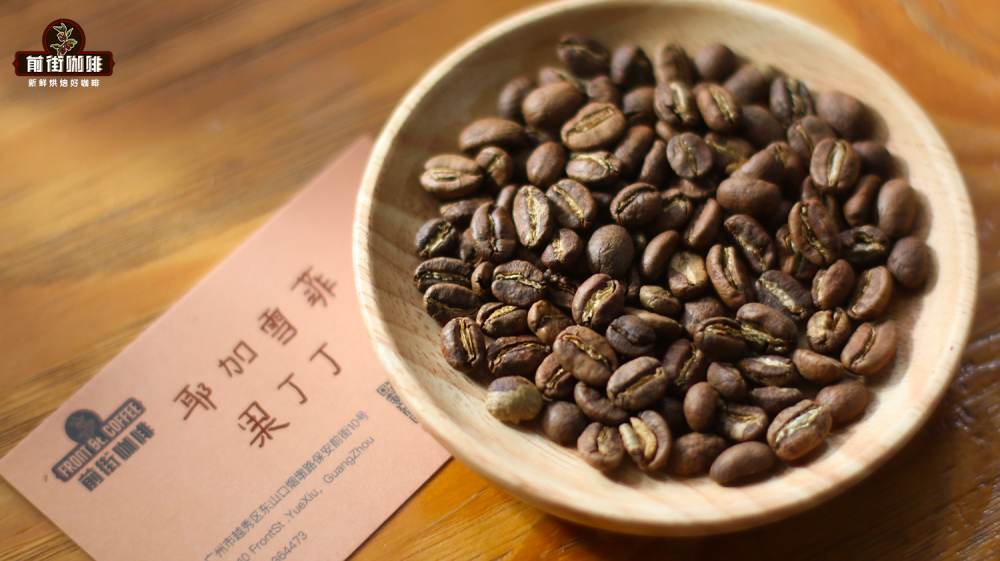
On FrontStreet Coffee's bean list, Ethiopia alone accounts for several Yirgacheffe coffee beans. The entry-level selection series includes one coffee bean from Yirgacheffe, representing the African producing regions. In addition, the Yirgacheffe region also has coffee beans such as Gedebding, Kochere, Konga and Red Cherry. At this point, some of you may have noticed that, compared with other coffees named after estates or varieties, most Yirgacheffe beans are listed under the name of cooperatives. Why is that?
In Ethiopia's administrative divisions, Yirgacheffe is a small town under the Sidama Region. It was originally part of the Sidamo coffee producing region, but later, because the coffee it produces has a unique flavor, it was separated out as a new coffee producing region. In 2004, the Ethiopian government even applied for a patent for the "Yirgacheffe" producing region, which shows how much importance it attaches to it.
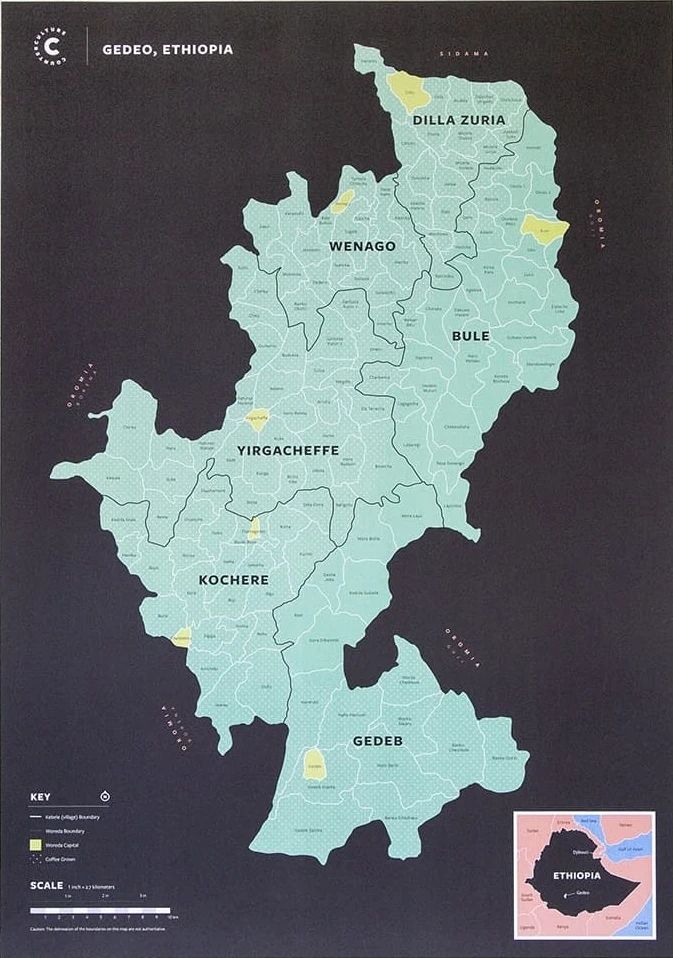
It is worth noting that "Yirgacheffe" does not refer only to the small town of Yirgacheffe itself, but also includes sub-regions near the town such as Wenago, Kochere and Gedeb. The coffee produced in these sub-regions has roughly the same flavour profile as Yirgacheffe, so they are likewise classified within the Yirgacheffe region.
Similar to other regions in Ethiopia, Yirgacheffe's cultivation model is dominated by garden coffee (smallholder coffee), with coffee trees mainly planted in farmers' own backyards or intercropped with other crops on their own farmland, so each household's output is not large, but coffee from this model accounts for more than half of the country's total output.
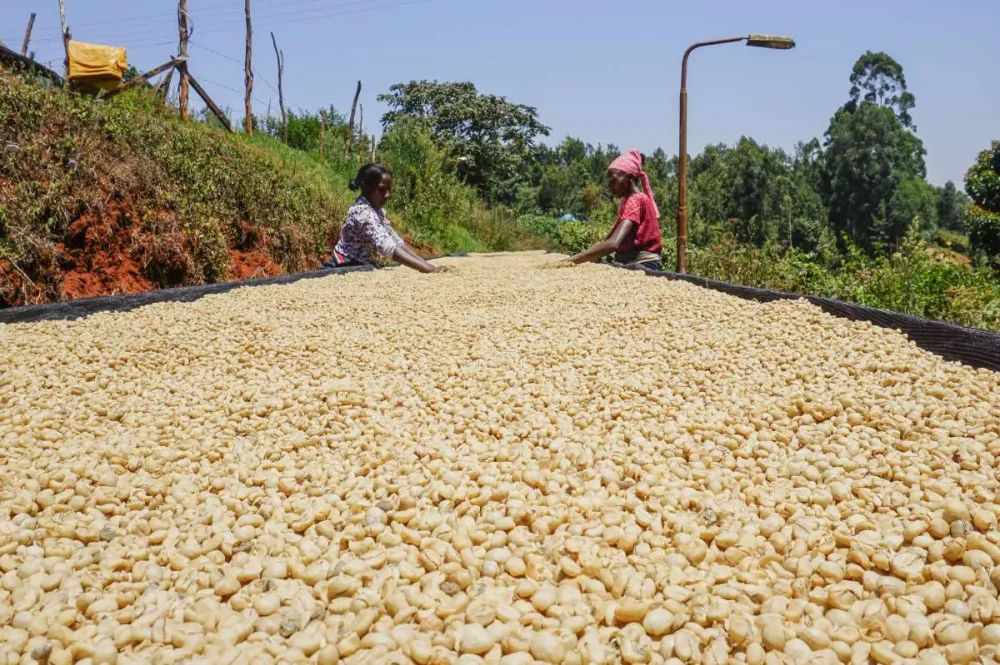
When the farmers' harvest season arrives, after the coffee berries are harvested, middlemen will come to buy them, or the farmers will deliver them themselves to a nearby processing station, which processes the purchased coffee cherries uniformly and then sells them under the station's name. However, this also creates the problem of middlemen taking a cut or deliberately driving prices down, which reduces the farmers' income, and these problems led to the birth of the "cooperative": in order to reduce losses, coffee farmers banded together, pooled funds to buy machinery, built processing plants and set up "cooperatives". The farmers in the cooperative process the coffee cherries they have all harvested together, and finally sell them uniformly under the cooperative's name; this cooperative model is very beneficial for smallholder farmers in Ethiopia.
As more and more farmers' cooperatives were established, in order to improve the quality of green coffee beans for export, thereby raising everyone's income while also serving multiple communities, people began to want to build washed-processing plants. Unlike natural processing, a washing station first needs to solve the problem of water resources, then invest in depulping machines, and then have enough labor. Therefore, from a production perspective, a place with people, water and roads is the best site for establishing a washing station, and Yirgacheffe is exactly such a treasured place.
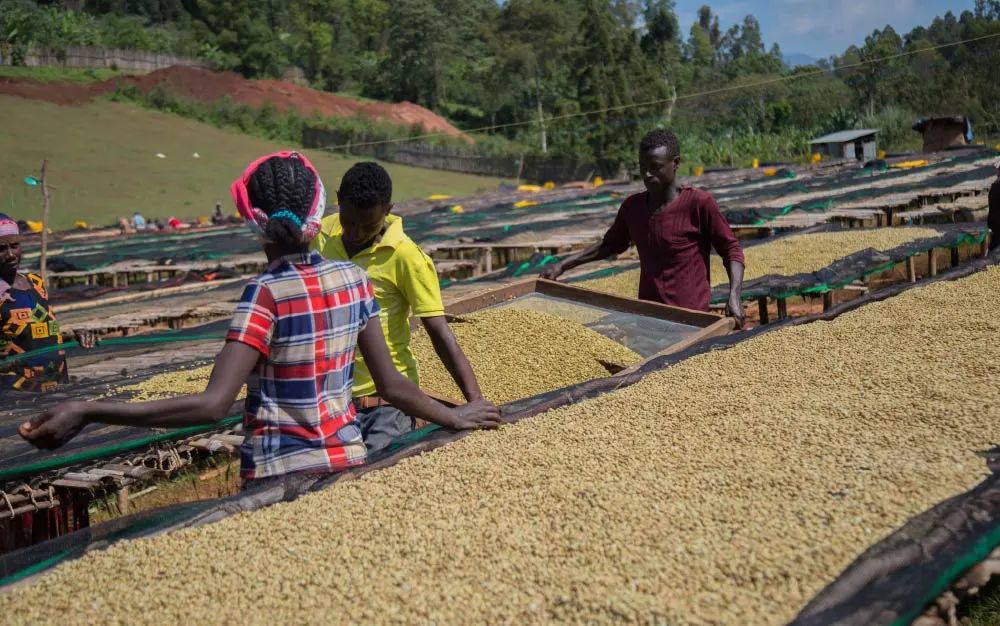
The town of Yirgacheffe, located in the Gedeo Zone, sits just downstream of the Great Lakes, with abundant springs and rivers flowing through it, providing the washing station with plentiful fresh water resources. Best Coffee also noted that in Ethiopia's ancient language, the English name "Yirgacheffe" is made up of two words: Yirga ይርጋ Yərga means calm, to settle down, while Cheffe ጨፌ Č̣äfe refers to marshy wetlands, so Yirgacheffe carries the meaning of "let us settle down and make our home in this wetland." At that time, so-called "Yirgacheffe coffee" simply referred to beans washed and processed in the town of Yirgacheffe.
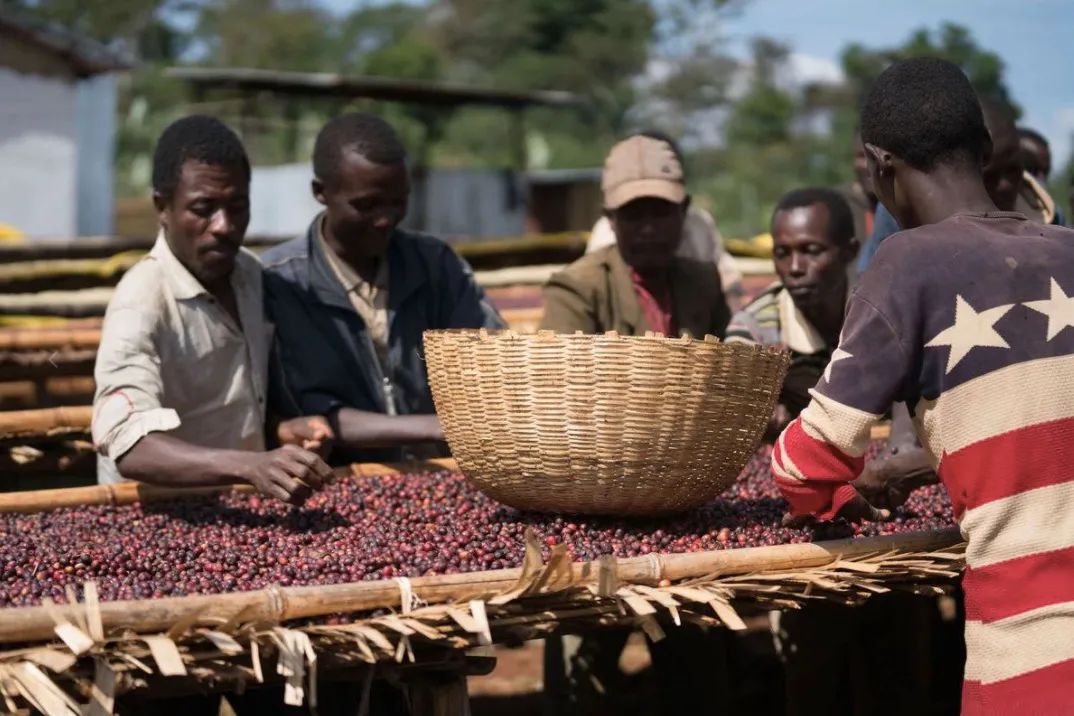
Currently, there are more than 40 cooperatives in the Yirgacheffe region alone, among them the relatively well-known Gotiti Cooperative. The Gotiti Cooperative belongs to the Gedeb sub-region of the Gedeb town, which is located about 60 km south of Yirgacheffe town and is also one of the higher-altitude areas of Yirgacheffe, with coffee grown at altitudes as high as 1900-2200 m. The villages that have joined in producing coffee here include Worka Sakaro, Halo Bariti, Banko Gotiti, Banko Dahato, and others.

At first, because the Gedding cooperative was located in the Worka area of the town, it was once part of the Worka cooperative under the Yirgacheffe Coffee Farmers Cooperative Union (YCFCU). Later, with the development of specialty coffee, people demanded greater coffee traceability, and sub-regions became more finely differentiated. So in 2012, about 300 farmers from Gedding village broke away and established the current "Gedding Cooperative".
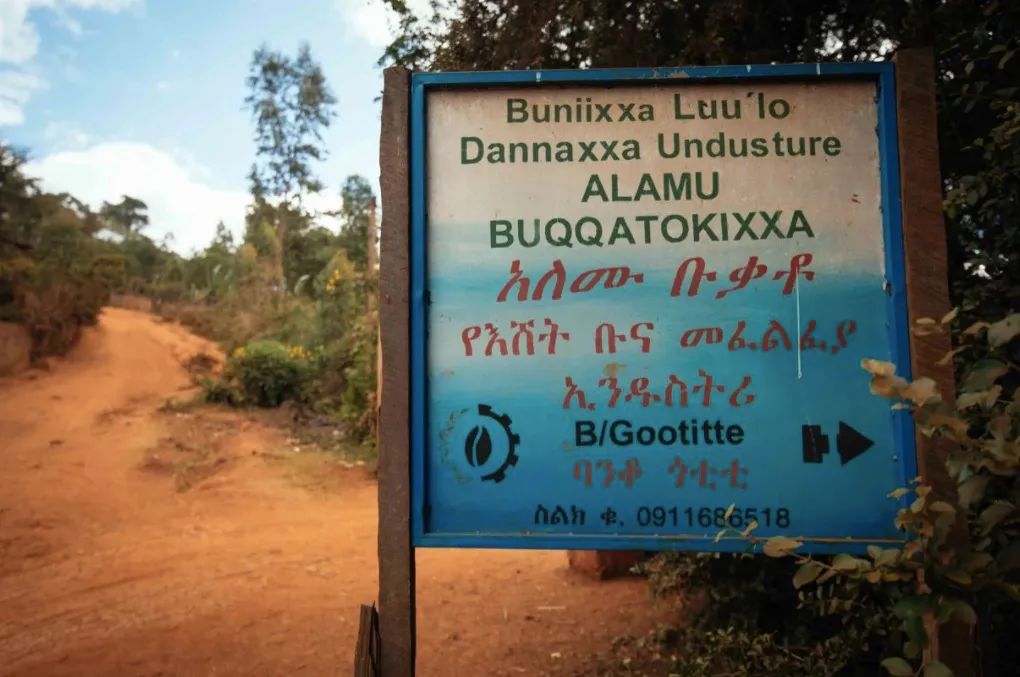
The Guodingding Cooperative is known for producing high-quality coffee, using traditional yet more refined processing methods that do a good job of preserving the coffee's sense of terroir. Best Coffee's Guodingding Cooperative coffee beans are washed processed; once brewed they have a faint floral aroma, fruity flavors such as citrus and berries, a caramel-like sweet finish, and a clean, sweet mouthfeel.
To learn more news and information about coffee origins, please scan the QR code to follow: Kaping
Long-press the QR code to follow:

TRANSLATE with x
English
TRANSLATE with
COPY THE URL BELOW
EMBED THE SNIPPET BELOW IN YOUR SITE Bing Webmaster Portal
Related Reading




Comments (0)
Loading comments...
You May Be Interested


Trending Reviews
Popular Videos

With you, wherever you are! We provide useful features to help you find new things you'll love






