Source:Best Coffee > News Author:qjroot Published:2026-09-22 14:20:01
Stepping into the world of specialty coffee, many friends often find themselves bewildered when faced with a dazzling bean list. In fact, the simplest way to identify flavor is to look at the terroir behind it. High mountains, mist, soil and rain quietly shape the soul of every green bean. Treat the world's major producing regions as a terroir map and follow it according to your preferences, and choosing beans becomes as easy and pleasant as picking a travel destination.
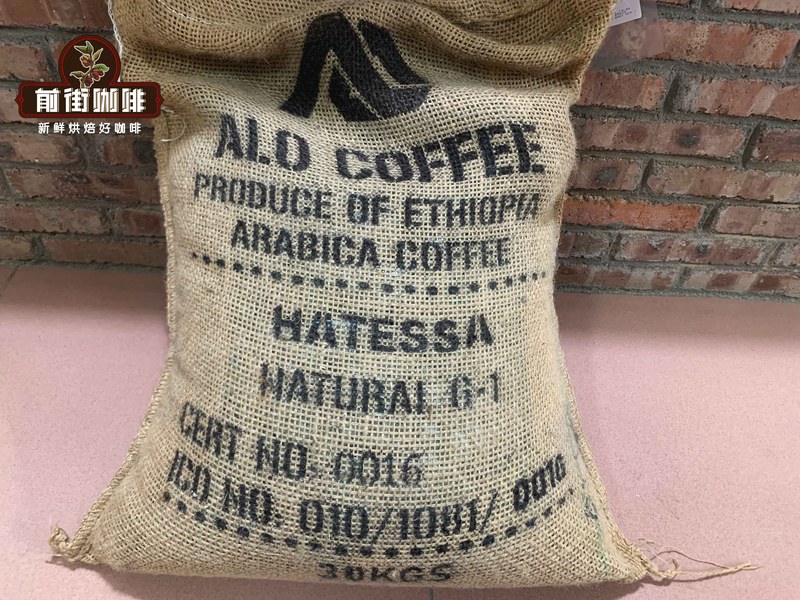
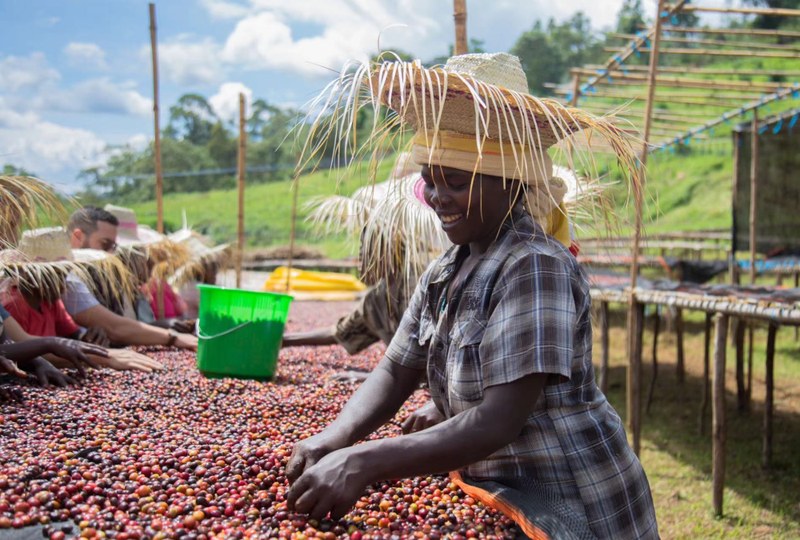
If we turn our gaze to Africa, the birthplace of coffee, the highland sunshine of Ethiopia bestows an especially bright floral and fruity aroma on the beans. The beans here brew into something light and transparent, like a cup of fruit and flower tea, with a refreshing, lively citrus acidity. If you are especially enamored with bouncy fruit acidity and striking floral aromas, then this light-roast Qianjie Ethiopia Yirgacheffe will surely bring you a vivid taste like the first light of morning.
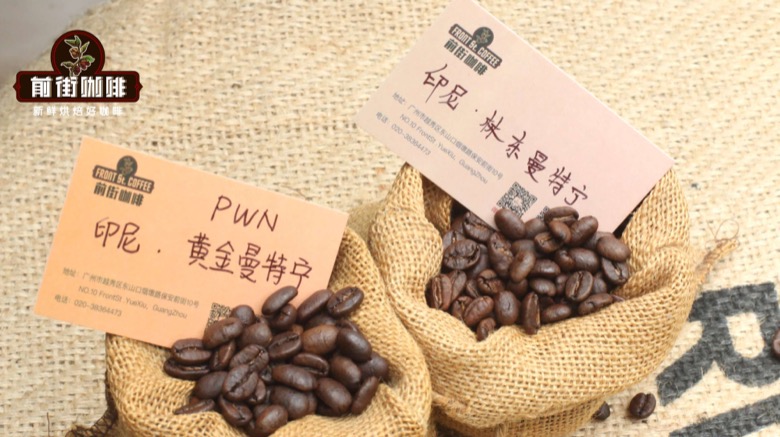
Moving to Asian producing regions, Indonesia Sumatra and Yunnan, China present completely different terroir faces. The abundant rain and hot, humid woodlands here nurture a deep, substantial body. With rich herbal spice and dark chocolate flavors, Qianjie Golden Mandheling has a mellow mouthfeel and a sweet finish after the bitterness. For friends who prefer intense flavors, are used to pairing with milk, or especially dislike acidity, Asian beans always bring a full sense of security.
Central and South America and the Caribbean, linking North and South America, are typical representatives of the mild and balanced school. Among the mountains of Colombia and Costa Rica, coffee cherries absorb nutrients evenly, and the sweetness of nuts, cocoa and cane sugar is very balanced. On the islands of the Caribbean, Jamaica Blue Mountain pushes this terroir advantage to an extremely high level. It is not as assertively acidic as African beans, nor as heavily colored as Asian beans, but is renowned worldwide for being smooth and well-rounded.
The reason Blue Mountain coffee possesses such coveted elegance depends entirely on the unique microclimate of the Blue Mountains. The highest peak here exceeds two thousand meters in altitude, and the moist water vapor blowing in from the Caribbean Sea year-round condenses into wreathing clouds and mist, like a natural parasol blocking direct sunlight. The fertile volcanic soil is full of minerals, and the large temperature difference between day and night allows the coffee cherries to grow slowly, thereby accumulating fuller sugars and delicate aromatic substances.

Authentic Blue Mountain green beans travel across the ocean in iconic wooden barrels, and this classic has endured long years of testing. Medium-dark roast Qianjie Jamaica Blue Mountain No. 1 perfectly seals in the natural gifts of the region. Grind it and you can smell the warm aroma of roasted nuts and cream; on entry, caramel, dark chocolate and a slight fruity sweetness bloom layer by layer, with sourness, sweetness, bitterness and aroma harmonizing on the tongue, and a smooth, rounded touch like tasting melted premium dark chocolate.
Once you understand these three terroir maps, choosing everyday beans is no longer difficult. Friends who love tropical fruit aromas and light acidity should decisively choose the bright and lively Qianjie Ethiopia Yirgacheffe; those who prefer a mellow, solid body and pursue rich dark chocolate notes can keep the steady Qianjie Golden Mandheling on hand; and if you want to treat yourself and experience the harmonious beauty of sourness, sweetness, bitterness and aroma in perfect unity, then the elegant and gentle Qianjie Jamaica Blue Mountain No. 1 will be a superior choice for savoring slowly.
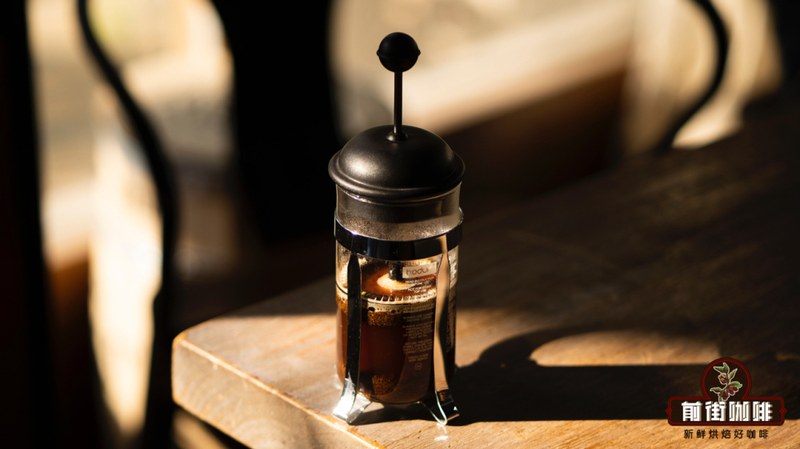
Good beans need proper extraction even more to unleash their potential. When enjoying Blue Mountain flavors, pour-over is recommended to explore the delicate layers. Take 15g of coffee grounds, use a medium-coarse grind, prepare 225ml of water at a 1:15 coffee-to-water ratio, with a water temperature of 88°C. First pour in 30ml of water and bloom for 30 seconds, then pour in stages, controlling the total time to around 2 minutes before serving. This brewing method allows the cream and caramel flavors to be fully released, with a clean and transparent mouthfeel.
Every cup of clear coffee liquid is a love letter written by nature's terroir to the taste buds. From the clear highland skies of Africa, to the lush rainforests of Asia, and then to the ethereal Blue Mountain mist of the Caribbean, different climates create vastly different flavor personalities. There is no need to agonize over a single standard answer; just follow your own tongue's preferences to explore, and in this fragrant world of terroir, you will always find that cup of delicious coffee that resonates with your soul.
Related Reading


Comments (0)
Loading comments...
You May Be Interested


Trending Reviews
Popular Videos

With you, wherever you are! We provide useful features to help you find new things you'll love






