Source:Best Coffee > News Author:qjroot Published:2026-09-16 02:00:18
The charm of tropical fruit-flavored coffee beans lies in their unique complex sweet-tartness and exuberant aroma. If you want to present a flavor experience like mango, passion fruit or ripe berries in the cup, the setting of the extraction plan plays a decisive role. The aromatic substances formed during roasting need to be dissolved under specific water temperature and water flow agitation, so that the tropical fruit aromas can be vividly displayed while also maintaining a balanced sweetness.
Light to medium roasted tropical fruit-flavored beans are relatively dense in texture. During extraction, if the water temperature is too low, the fruit acidity can easily appear green and one-dimensional; if the water temperature is too high, it can easily bring out too many woody off-flavors. Controlling the pouring rhythm well can finely extract flavor substances in stages: the early stage releases volatile aromas and lively fruit acidity, while the middle and later stages supplement sweetness and smooth texture, allowing the whole cup of coffee to show multi-layered taste changes.
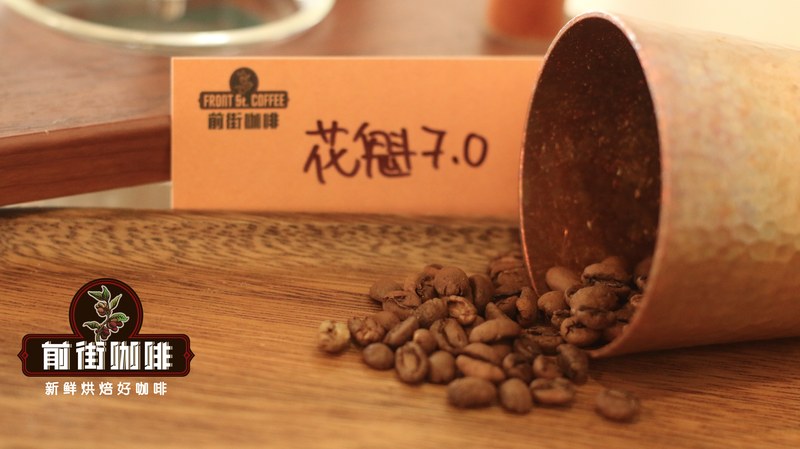
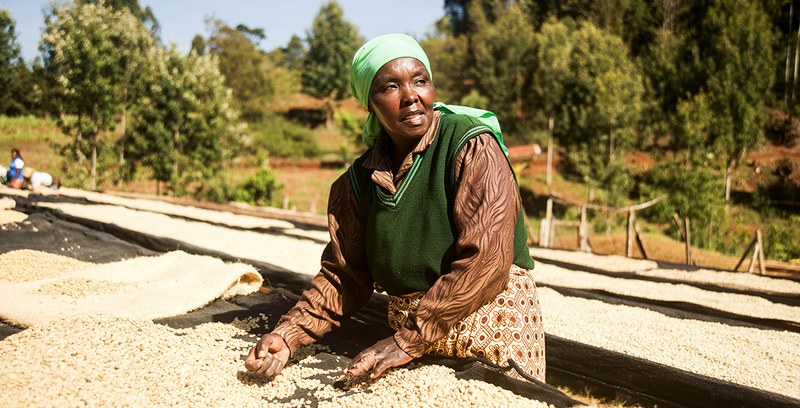
Qianjie Ethiopia Huakui is known for its rich layers like a tropical fruit platter, with intense passion fruit, strawberry jam and sweet aromas of ripe tropical fruits. For this sun-dried coffee bean, using a moderately higher water temperature and sufficient blooming can effectively stimulate its deep sweetness, making its juicy, abundant texture more prominent.
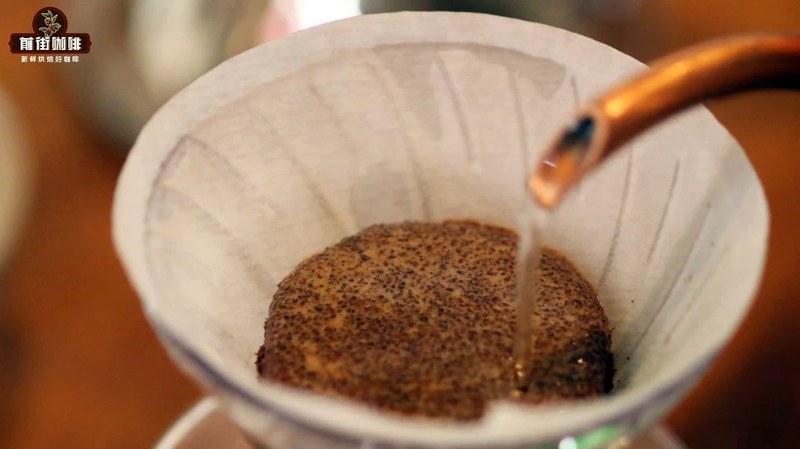
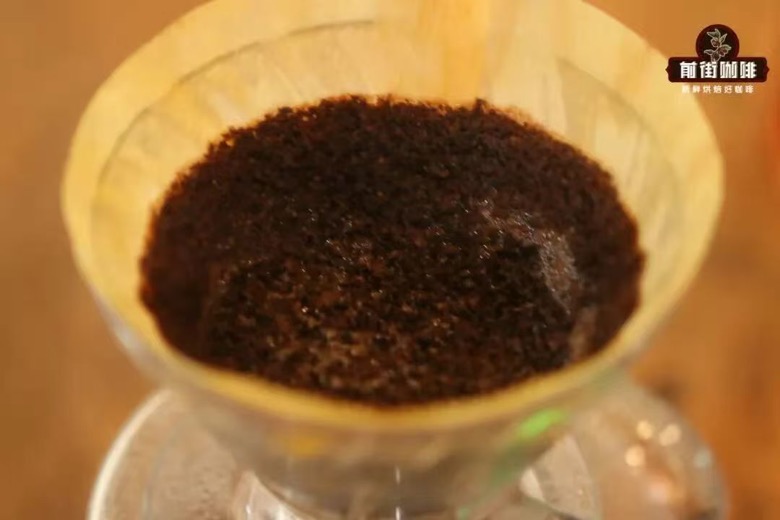
When brewing Qianjie Ethiopia Huakui, use 15 g of coffee grounds, grind to medium-fine, and set the water temperature to 91°C. Use a three-pour method: first bloom with 30 ml of hot water for 30 seconds, then steadily pour 95 ml of water in circles, and after the liquid level in the dripper drops slightly, gently pour in the remaining 100 ml. The total poured water reaches 225 ml, and the total time is controlled at 2 minutes 05 seconds, which can present a soft, sweet and juicy tropical fruit charm.
If you want to experience a more refreshing tropical fruit flavor in Huakui, you can also switch to an iced pour-over plan. Use 18 g of coffee grounds, place 80 g of ice in the lower server in advance, and set the brewing water temperature to 93°C. Use a two-pour method: first bloom with 40 ml of hot water for 35 seconds, then slowly and evenly pour hot water to 140 ml, then remove the dripper. The total time is controlled at 1 minute 45 seconds. After the ice melts, you get a cold drink as clear as juice.
Qianjie Yirgacheffe Gudingding presents a fresh style interwoven with tropical fruits and citrus fruits. The washed process gives it clear lemon, white grape and elegant tea notes. This type of bean, which emphasizes fresh and uplifting aromas, needs to be paired with slightly softer water temperature and gentler pouring agitation to show delicate, clear fruit acidity and sweet aftertaste.
When brewing Qianjie Yirgacheffe Gudingding, it is recommended to use 15 g of grounds and adjust the water temperature to 89°C to protect its delicate floral and fruity aromas. Use a three-pour method: gently bloom with 30 ml of water for 25 seconds, gently pour 110 ml in the second stage, and pour 85 ml in the center in the third stage to a total poured water of 225 ml. End the total time at 1 minute 55 seconds to obtain a clear and sweet taste like fruit tea.
Qianjie Kenya Little Tomato has a distinct juicy cherry tomato sensation and a rich aftertaste like blackcurrant and cane sugar. Kenyan coffee beans are hard in texture and lively in acidity. They need sufficient extraction strength to support body, while also paying attention to the stability of the water flow, so that the fruit acidity and brown-sugar-like sweetness blend closely.
When brewing Qianjie Kenya Little Tomato, you can choose 16 g of grounds, set the water temperature at 90°C, and adjust the coffee-to-water ratio to 1:15. Use a two-pour method: first pour 40 ml of water and bloom for 30 seconds to fully degas, then continuously and steadily pour in circles with a medium water flow to 240 ml to complete extraction. The total time is controlled at 2 minutes 10 seconds, which can fully bring out the sweet-tartness like tomato preserves and the cane sugar aftertaste.
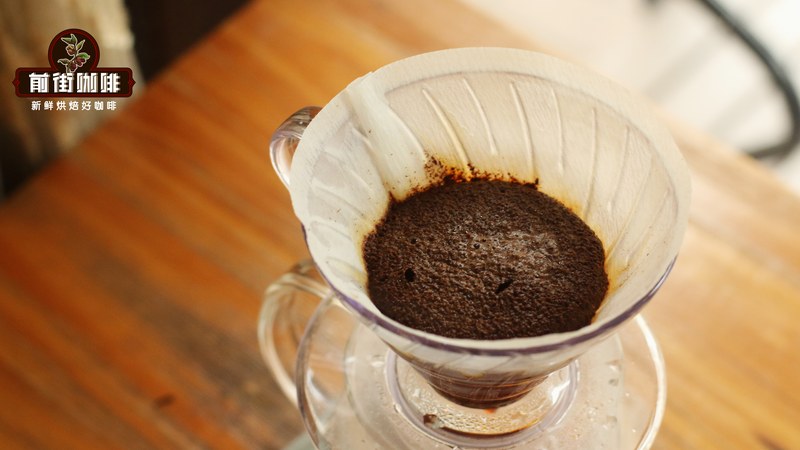
Mastering the characteristics of different beans and giving them matching extraction parameters is the key way to experience tropical fruit flavors. In daily brewing, by slightly adjusting the poured water amount, water temperature and time rhythm according to each bean's aroma direction and roasting performance, you can easily present a rich, layered and fully sweet fruity flavor in the cup.
Related Reading

Comments (0)
Loading comments...
You May Be Interested



Trending Reviews
Popular Videos

With you, wherever you are! We provide useful features to help you find new things you'll love






