Source:Best Coffee > News Author:qjroot Published:2026-08-18 12:34:47
Many enthusiasts have been drinking coffee for years but still cannot say what flavors they actually like - not because their palate is not sharp, but because they have no habit of recording. A tasting note is like a coffee's "medical record": write down the aroma, acidity and sweetness of every cup, and over time you will discover patterns in your preferences between the lines, and you will also be able to tell a shop owner clearly "what kind of coffee I want."
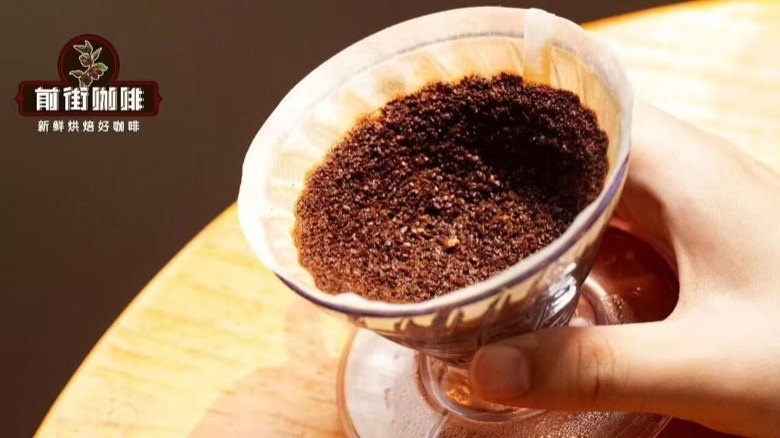
A practical note does not need to be complicated; just fix a few dimensions: bean type and roast date, grind size, water temperature, coffee-to-water ratio, brewing method, then dry aroma, wet aroma, acidity, sweetness, body, finish and overall impression. The parameters are especially important. Change the water temperature for the same bean and the flavor can be worlds apart; notes without parameters are hard to review. It does not matter if you cannot write professional terms; everyday metaphors such as "like diluted fruit juice" or "a bit like black tea" work just as well.
Open the bean bag and smell the dry aroma first. This is the first impression of the aroma. Light-roasted beans commonly show floral, citrus and dried berry notes. For example, the dry aroma of Qianjie Yirgacheffe Gudingding has distinct floral and citrus tones. Then smell the wet aroma during the pour and bloom. Hot water causes aromatic substances to volatilize in large amounts, and the aroma at this point is more three-dimensional than the dry aroma. Record what you smell in these two stages separately. Even if you write only one word, after long-term accumulation you will find that your recognition of aromas becomes faster and faster.
Take a small sip and let the coffee atomize and spread across the mouth, then pay attention to three dimensions in turn: the position and texture of the acidity, whether it is sharp or round, like lemon or like berries; when the sweetness appears, whether it is sweet immediately on entry or returns sweet in the middle; and the thickness of the body, whether it is light like water or full like fruit juice. Take a light-roasted washed bean as an example: Qianjie Kenya Small Tomato enters with clear cherry tomato and smoked plum flavors, the acidity is bright and solid, the middle reveals the fruit charm of snow pear and black plum, and the finish carries yellow sugar sweetness and green tea aroma - write these down in chronological order and you have a complete mouthfeel description.

The returning sweetness often appears only after swallowing. Good coffee has a clean and long finish, and the sweetness will linger in the throat for a long time. Also pay attention to how the flavor changes with temperature: at high temperature the aroma is bold, at medium temperature the acidity and sweetness are balanced, and whether off-flavors or astringency appear after it cools is an important basis for judging bean quality and whether extraction is appropriate. In the same extraction, the concentration differences in the first, middle and final stages are also worth noting, as this is the basis for adjusting your technique.
The point of writing tasting notes is not to produce a fancy cupping report, but to leave a reviewable trace for every brew. After persisting for one or two months, look back and you will be surprised by how fast your taste memory has grown.
Related Reading




Comments (0)
Loading comments...
You May Be Interested




Trending Reviews
Popular Videos

With you, wherever you are! We provide useful features to help you find new things you'll love






