Source:Best Coffee > News Author:qjroot Published:2026-09-07 12:46:09
Whether a coffee bean is worth buying repeatedly cannot be judged only by the flavor words on the packaging; it also depends on whether it can be brewed consistently at home. In pour-over, water temperature, coffee-to-water ratio and grind change the sweet and sour expression; in espresso, dose, pressure, yield and flow rate follow a different logic. Only when the parameters are matched properly will the bean's character truly show.

When choosing beans to repurchase, you can use the "regular recipe" as a touchstone: what equipment you use on ordinary days, how much you brew at one time, and whether you prefer hot drinks or iced ones will all affect your judgment. When buying, it is advisable to first confirm the roast date and the recommended drinking method, then arrange the parameters according to the bean's flavor density. Being able to find a handy recipe after two or three adjustments is often more useful as a reference than the flavor description.
Qianjie Kafa Forest is suitable for starting in a clear, light pour-over direction. Use 15 g of ground coffee with 240 g of water, a coffee-to-water ratio of about one to sixteen, a water temperature of 91 to 92°C, a medium-fine grind, pour in three stages, and finish in about two minutes and forty seconds. On entry there is an orange-like brightness, then it turns toward ripe apricot and peach sweetness, and after cooling the tea-like finish becomes clearer.
If Kafa Forest tastes only sour and lacks sweetness, you can grind slightly finer, or raise the water temperature by one degree, so that the middle stage extracts more fully; if astringency appears in the finish, reduce the disturbance of the last pour and coarsen the grind by one step. After brewing, do not judge it immediately; let it cool for a few minutes before drinking, and the sweetness and tea aroma will usually be easier to distinguish.
Qianjie Grana Estate Geisha has a more concentrated aroma and is suitable for unfolding slowly with pour-over. You can use 15 g of grounds, 250 g of water, a water temperature of 90 to 91°C, and a grind slightly coarser than Kafa Forest. First bloom with 35 g of water for 40 seconds, then complete two pours with a thin stream. Orange blossom, guava and apricot notes will gradually appear as the temperature drops, while a strawberry jam-like sweet aroma remains in the later stage.

If this bean is brewed too fast, the aroma easily seems fleeting and the sweetness is not full enough. You can extend the total time to around three minutes, but it is not advisable to stir the coffee bed frequently, otherwise the richness of the natural-process bean may turn messy. If you like a more vivid juicy feel, use a higher water temperature; if you prefer soft sweet aromas, keep it one degree lower and slow the pouring, which will be more suitable for daily drinking.
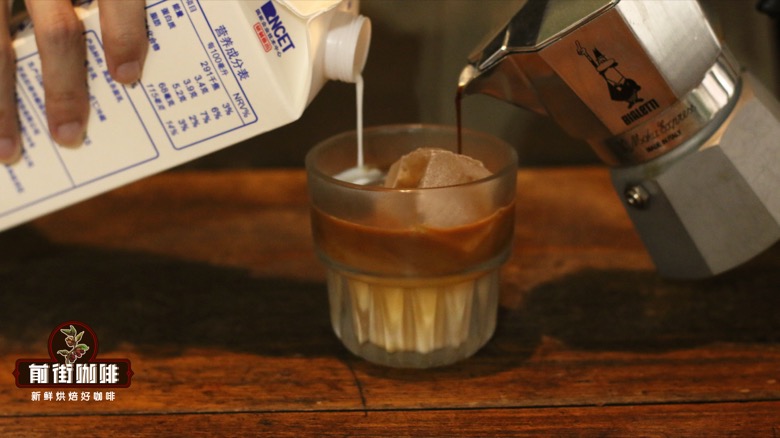
Qianjie Colombia Sidra can be used both for iced pour-over and for making single-origin espresso. For iced pour-over, use 18 g of grounds, 150 g of hot water plus 100 g of ice, a water temperature of 93°C, and a grind slightly finer than ordinary pour-over. Pour in two stages and keep the hot water portion within two minutes. Passion fruit, blueberry and grape-like notes become crisp after chilling, and the apricot sweetness is also more prominent.
When using Sidra for SOE, you can start with 18 g of grounds, a 36 g yield, and 28 to 32 seconds, keep the pressure near nine bar, and adjust the grind to medium-fine. If the entry is too sharp, you can increase the yield to 40 g, or raise the water temperature by one degree; if dryness and bitterness appear, shorten the yield or coarsen slightly. This preserves the fruit aroma without making the espresso seem overly aggressive.
The repurchase logic of the three beans is not the same. Kafa Forest is suitable for fixing one pour-over recipe as a refreshing tea-like daily choice; Grana Estate Geisha is better for people who have time to observe changes in aroma; Colombia Sidra is highly adaptable among hot brewing, icing and SOE. Selecting according to your home equipment and usual drinks will give a higher actual usage rate.
When recording parameters, you might as well also write down the entry temperature, the stage at which sweetness appears, and the aftertaste after swallowing, rather than only noting "sour" or "bitter." For pour-over, prioritize adjusting grind and water temperature; for espresso, first look at yield weight and time, then touch the pressure. After finding a bean's effective range, use this recipe when repurchasing, then fine-tune according to the condition of that batch of beans, and brewing will become smoother and smoother.
Related Reading




Comments (0)
Loading comments...
You May Be Interested


Trending Reviews
Popular Videos

With you, wherever you are! We provide useful features to help you find new things you'll love






