Source:Best Coffee > News Author:qjroot Published:2026-09-03 18:42:09
The pump pressure, temperature control method, brew head size and portafilter basket capacity of a home espresso machine all affect how coffee beans perform. The same beans, placed in a single-boiler machine, a semi-automatic machine or an entry-level machine with a pressurized basket, may produce different concentration, speed and mouthfeel. When choosing beans, first look at which parameters the machine can control stably, then decide on the flavor direction; this usually makes it easier to brew a smooth cup.
If the machine uses a 51 mm or 54 mm basket, the common dose is roughly between 15 and 18 g; for a 58 mm basket, 18 to 20 g is more common. The basket capacity determines the dose range each time and also affects the thickness of the espresso. There is no need to pursue especially large expansion space for the beans; the key is that after grinding they evenly fill the basket and the water flow stays concentrated during extraction, which makes daily adjustments less laborious.
With a machine that has a pressure gauge, you can observe pressure changes during brewing, but the reading does not equal the flavor in the cup. If the machine pressure is on the high side, dark-roasted beans tend to show heavy bitterness, so a slightly coarser grind or a shorter yield will be more suitable. For models with gentler pressure behavior, you can choose a blend with clear sweetness and moderate body, keeping the espresso full without seeming dull.
Temperature control capability also changes the range of beans you can choose. On models without electronic temperature control, the brew water temperature tends to fluctuate with continuous use, so beans with a clear flavor profile and a medium-dark roast are easier to adjust; with a PID-controlled machine, you can try more delicate medium-roast beans and observe the sweet-to-sour ratio through temperature changes. In a home setting there is no need to chase parameters frequently; finding the machine's stable working range first is more practical.
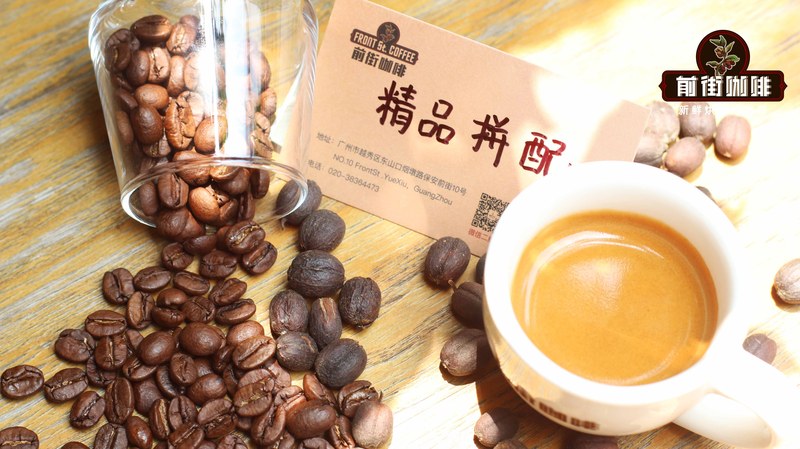
Using Qianjie Classic Blend as an everyday espresso bean, the entry can be understood in the direction of roasted nuts, cocoa and caramel sweetness, and the thickness of the liquid is relatively easy to build. With the dose within the machine basket's recommended range, the yield can be tried starting at about twice the dose. Drunk directly as espresso it has a solid mouthfeel, adding a small amount of hot water gives a rounded Americano, and paired with milk it still retains the presence of coffee.
Small single-boiler machines usually need to alternate steaming and brewing, so they suit beans with a relatively wide extraction window. Taking Qianjie Specialty Blend as an example, the nutty sweetness brought by Brazil Cerrado and the cocoa and caramel notes of Colombia Huila connect with each other; as espresso it is fairly balanced, and as a latte it does not end up tasting only of milk, making it suitable for repeated daily practice.
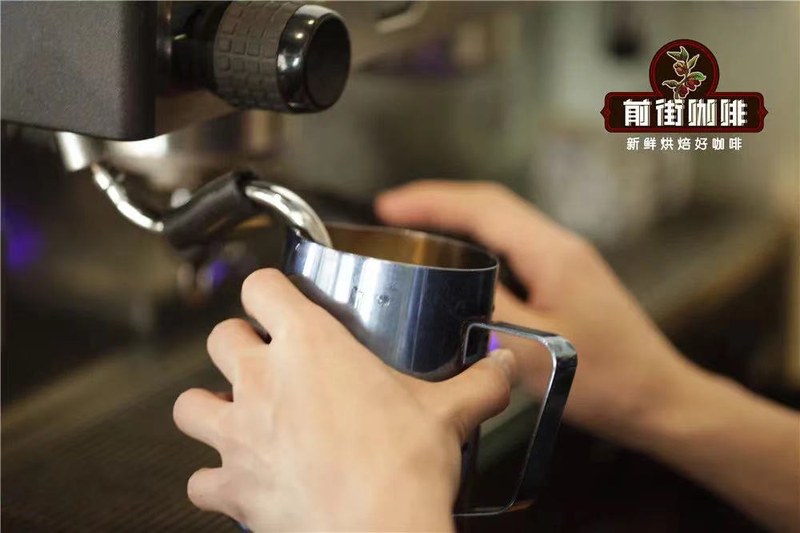
If the home machine is equipped with an 18 g basket and a stable grinder, you can focus adjustments on grind fineness and yield weight. If the coffee flows too fast and tastes thin, you can grind slightly finer; if the entry feels dry and the bitterness drags on, adjust coarser or reduce the liquid weight. Change only one increment at a time to see the true interaction between the beans and the machine.
Entry-level equipment with a pressurized basket or an all-in-one grinder has relatively lower requirements for puck levelness and grind uniformity. This type of machine can be paired with beans that have intense flavor and gentler acidity, making it easier to obtain a stable espresso mouthfeel. In the case of Qianjie Black Cocoa Blend, the dark chocolate, roasted nuts and solid sweetness suit a short extraction espresso, and can also support iced Americanos and hot lattes.
If the machine supports temperature adjustment, you can split the same beans into two directions to try. A lower temperature usually makes the bitterness of dark-roasted beans recede and the sweetness softer; a slightly higher temperature helps release the aroma of medium-roast beans, but also watch whether the finish becomes dry and astringent. For small-capacity baskets, controlling the yield is easier for maintaining a concentrated mouthfeel than simply extending the time.
The burrs and adjustment precision of the grinder are also bean-selection parameters. Equipment with large jumps in grind settings suits starting with blends that have stable flavor and a solid structure; a grinder capable of fine micro-adjustments can handle richer medium-roast flavors. Regardless of equipment price, after opening the beans, portion and seal them, and take out one to two weeks' worth at a time, and the grinding state will usually be more stable.
Choosing beans for a home espresso machine is not about piling up more and more parameters to make things complicated, but about matching basket capacity, temperature control capability, pressure behavior and grinding precision with one another. If you prefer nutty and cocoa notes, you can start with Classic Blend or Black Cocoa Blend; if you want a more balanced black coffee and milk coffee, you can try Specialty Blend. Find a combination that produces stable cups, and daily coffee will be easier.
Related Reading


Comments (0)
Loading comments...
You May Be Interested

Trending Reviews
Popular Videos

With you, wherever you are! We provide useful features to help you find new things you'll love






