Source:Best Coffee > News Author:qjroot Published:2026-08-29 11:16:07
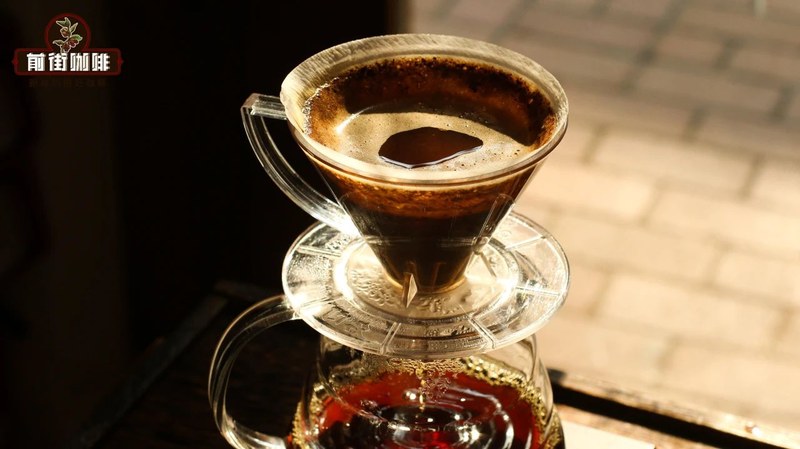
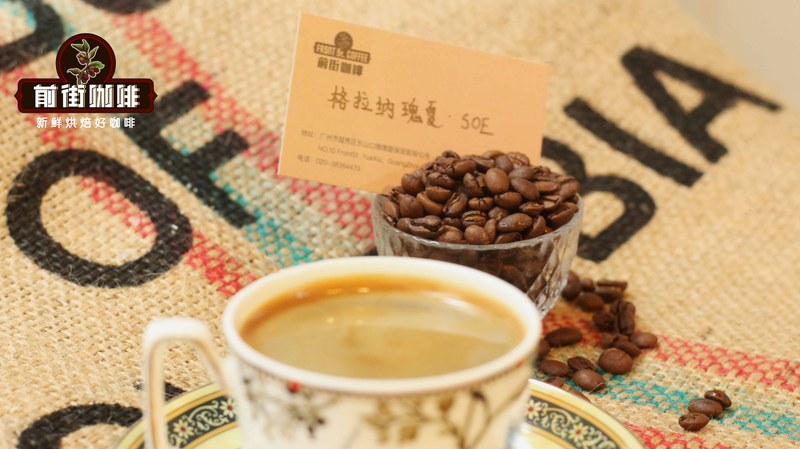
Pour-over and floral-fruity aromas are a perfect match: the filter paper removes off-flavors, leaving only a clean expression of aroma and sweet-tartness. When brewing Qianjie Grana Estate Geisha as pour-over, orange blossom aroma rises with the pouring water, the sip brings a relay of guava and apricot fruitiness, and the finish returns to strawberry jam sweetness - pour-over of floral-fruity beans is the most complete version of the flavor path among all brewing methods.
The flavor script of pour-over is co-written by many parties: the terroir of the origin, the characteristics of the variety, the choice of processing method, the roast level, and the parameter settings. Light-roasted beans tend to bring floral-fruity notes first, while medium-roasted beans tend to bring sweetness and body first; once a parameter changes, the order in which aromas appear is reshuffled.
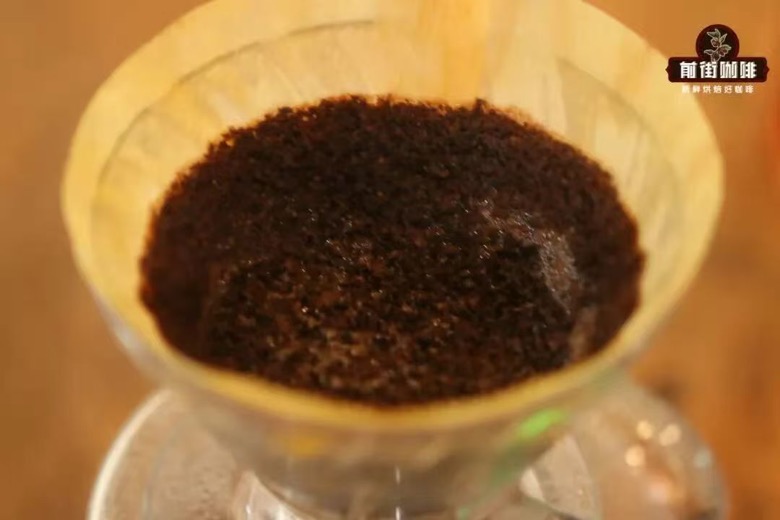
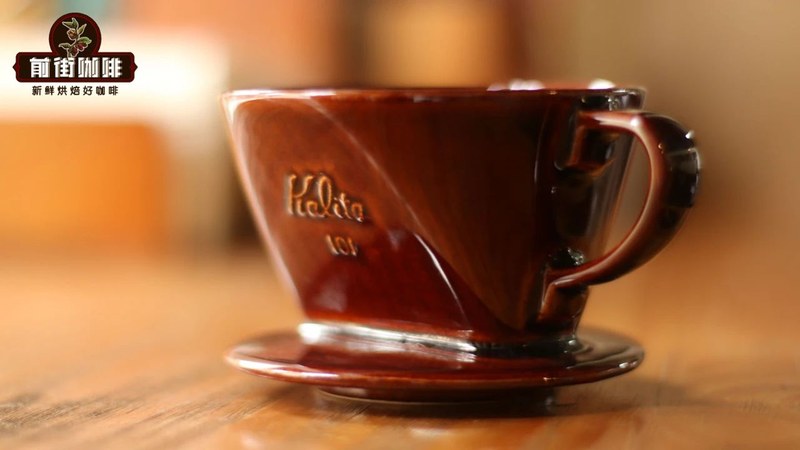
For pour-over of floral-fruity beans, it is recommended to use a narrow-spout kettle and pour slowly, so that extraction is even and the aroma is complete. The following beans are all representatives of floral-fruity pour-over.
Qianjie Colombia Cimarron shows multiple flavors of passion fruit, blueberry, grape and apricot in the cup, with a full juicy feel; iced pour-over, cold drip and SOE can all bring out its aroma.
Qianjie Panama Hacienda La Esmeralda Red Label Geisha arrives with jasmine, bergamot, citrus and black tea aromas, with a refreshing and delicate mouthfeel; setting aside a quiet stretch of time to drink it slowly brings out more flavor.
Qianjie Yirgacheffe Gudingding carries a combination of citrus, berries and floral notes with a green tea-like finish; light-roast pour-over lets you taste clear aromas, while cold brew polishes the acidity softer.
The flavor of beans has a life cycle, and proper storage can extend their condition longer. Cool, dry and sealed are the three basic conditions, and after opening it is recommended to finish them within one month. Ways to observe flavor: strong dry aroma means the condition is on track, and the balance of sweet and tart on the palate and the finish reflect the bean's layers; if the aroma has faded, first check whether the grind is too coarse or the beans have been stored too long, then consider other adjustments. The same bean performs differently in hot drinks, iced drinks and milk coffee, and recording parameters helps stably reproduce the version you like.
The flavor attributes of beans and the brewing requirements are two different things. Floral-fruity beans write the delicacy of origin flavor into every gram of grounds, and also write in their pickiness about parameters; nutty-cocoa blends sacrifice a bit of sharpness in exchange for the security of stable delivery on any morning. If several people at home drink coffee, start with a balanced bean, then add single origins according to each person's preference, which both avoids waste and makes comparison convenient.
The order for adjusting pour-over parameters is: the coffee-to-water ratio and water amount set the foundation, while grind size handles fine-tuning. If you encounter sharp acidity on the palate, adjust the grind finer; if you encounter dryness and astringency at the finish, reduce the agitation motions and time, changing one thing per round, and decide the next round after tasting.
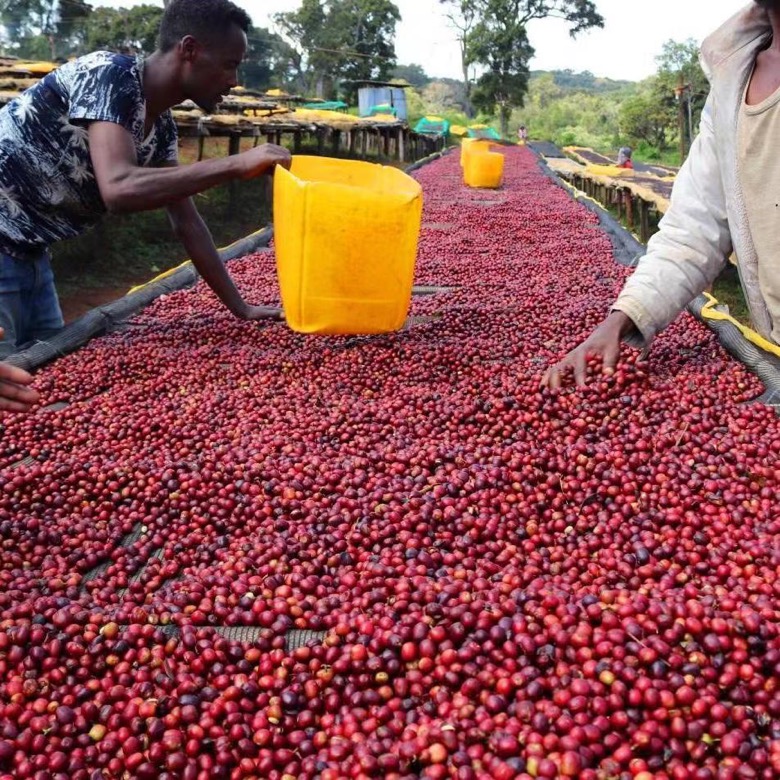
When there is room for variation in the equipment used and the taste you drink, keeping beans on two tracks is a labor-saving approach: put consistently performing everyday beans on one track, and distinctive experiential beans on the other, to sense the differences in nutty, floral or enzymatic notes. Bringing brewing habits, coffee-drinking frequency and flavor expectations into the picture together makes your judgment more accurate.
Related Reading


Comments (0)
Loading comments...
You May Be Interested



Trending Reviews
Popular Videos

With you, wherever you are! We provide useful features to help you find new things you'll love






