Source:Best Coffee > News Author:qjroot Published:2026-09-16 01:57:03
The aromatic compounds contained in coffee beans need suitable water flow and temperature to be activated. Many people new to coffee, when selecting coffee beans, often focus only on the origin label, yet easily overlook the fine coordination between each coffee bean's roasting characteristics and its brewing method. Mastering a few basic brewing rhythms allows every coffee bean to reveal its original, captivating flavor.
Light-roasted coffee beans that lean toward floral notes and bright, light fruit acidity have a relatively tight internal cell structure, and their flavor compounds dissolve at a relatively gentle pace. When brewing this type of bean, a moderate water temperature can balance the brightness of the acidity with the release of sweetness, while pairing it with a reasonable pouring sequence can extract a cup with distinct layers and a clear, refreshing character.
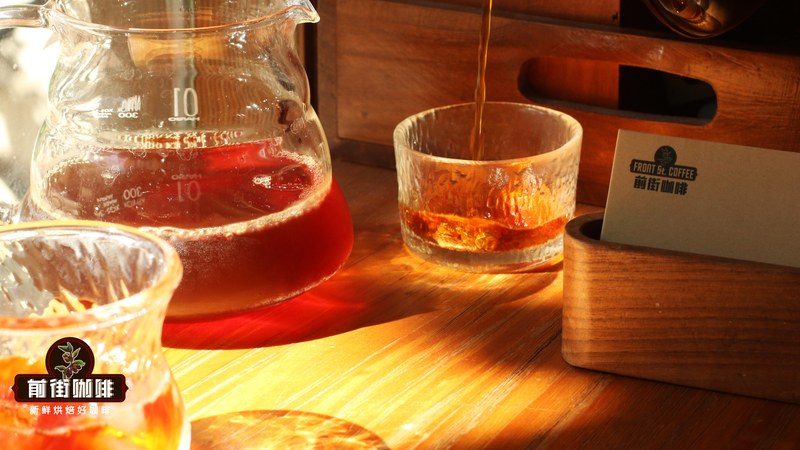
Qianjie Yirgacheffe Gedingding displays a fresh white-flower aroma and a soft citrus sweetness, with a faint green tea aftertaste in the finish. To make its acidity softer and brighter, a water temperature of 89°C is recommended, using 15g of ground coffee and pouring 225ml of hot water, with the total extraction time controlled at 2 minutes 05 seconds. The whole process uses a three-pour method: first wet the coffee bed with 30ml of hot water, then pour evenly in two stages up to the target volume, producing a cup with a clear, sweet, refreshing fruit-tea flavor.
Coffee beans with rich tropical fruit flavors or special fermentation processing have very active soluble flavor components. Brewing this type of bean requires controlling the degree of disturbance the water flow causes to the coffee bed, avoiding overly heavy fermented off-flavors from excessive soaking, while appropriately raising the water temperature to fully release its passionate, deep berry sweetness.
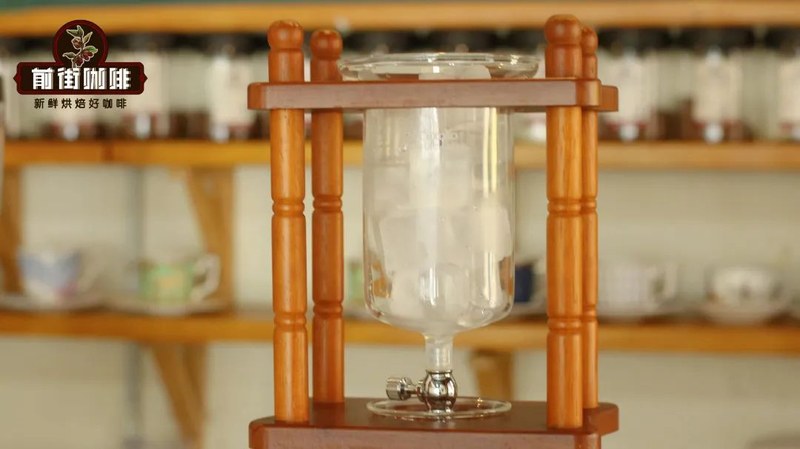
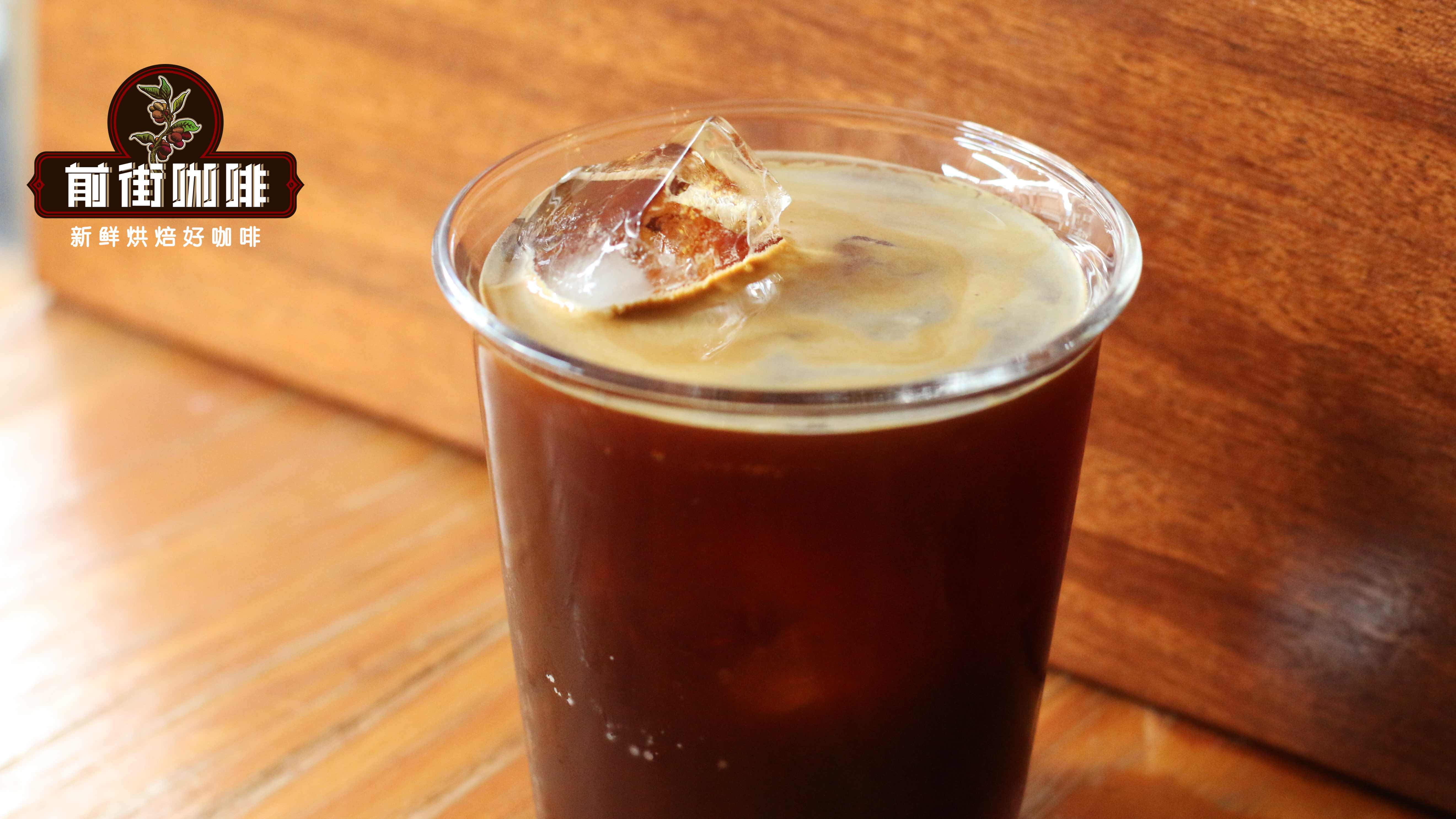
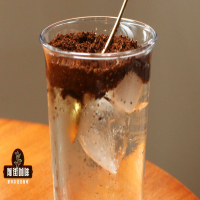
Qianjie Colombia Pink Bourbon carries a full, juicy mouthfeel of purple grape, passion fruit and apricot, with a three-dimensional, vivid flavor. When brewing this bean, a water temperature of 91°C can be used, with 16g of ground coffee, the poured water volume set at 200ml, and the total time controlled at 1 minute 50 seconds. The pouring method uses a two-pour approach: first pour 40ml of water for a full bloom, then steadily and evenly pour the remaining water, dripping into a server holding 80g of ice cubes, to obtain a cup of iced coffee full of juicy fruit character.
Delicate bean varieties from high-altitude regions often possess extremely fine aromatic layers and a long-lasting finish. This type of coffee bean needs an even and stable extraction environment even more, using a slightly higher water temperature and a moderately extended extraction time to fully guide the floral notes, refined citrus tones and black tea texture hidden deep within the coffee bean into the cup.
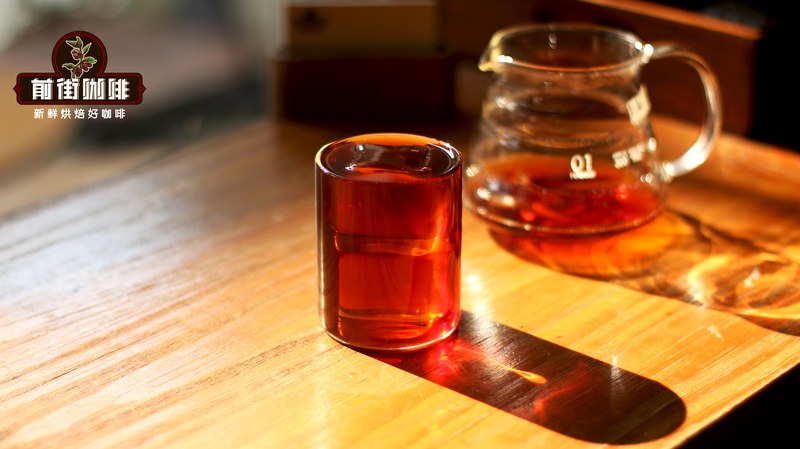
Qianjie Panama Hacienda La Esmeralda Red Label Geisha has an elegant jasmine aroma, fresh bergamot flavor and a long black tea resonance, with an extremely pure and smooth mouthfeel. A water temperature of 93°C is recommended, weighing out 15g of ground coffee, with a total poured water volume of 240ml, and the total brewing time set at 2 minutes 15 seconds. During pouring, use a three-pour method: bloom with 35ml of hot water, then pour steadily in circles in two stages to complete the extraction, revealing the elegant and complex aromatic layers one by one.
During brewing, the coarseness of the ground particles directly determines the resistance of the water flow through the coffee bed. If the brewed coffee feels too sharp and thin in acidity, you can usually adjust the grind finer or slightly slow the pouring speed; if you feel a slight bitterness or off-flavor in the finish, you can grind a bit coarser so the water flows through more smoothly.

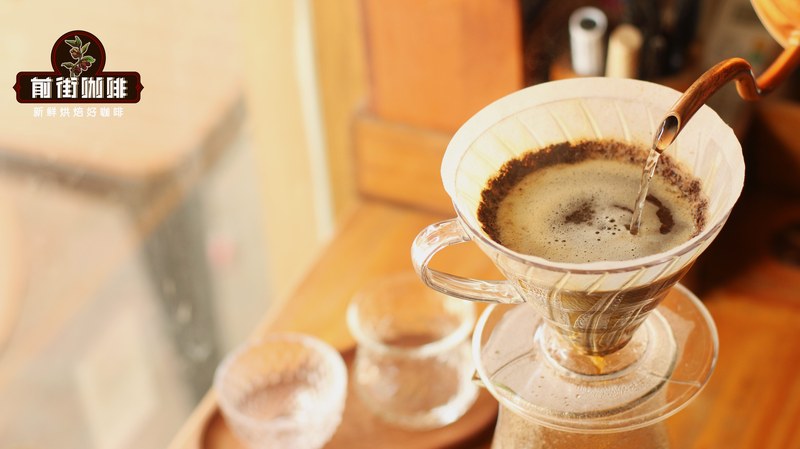
The steadiness of the pouring technique also affects the evenness of extraction. Keeping a thin stream of water pouring vertically into the center of the coffee bed, slowly circling outward without washing the edge of the filter paper, can maintain a stable water-coffee contact surface. A single-pour method gives a relatively plain, rounded mouthfeel, while two-pour or three-pour methods help open up the flavor layers, presenting clear and distinct top, middle and base notes.
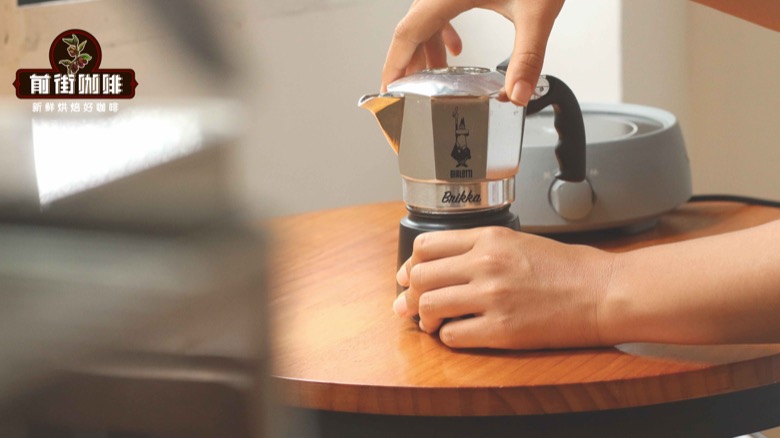
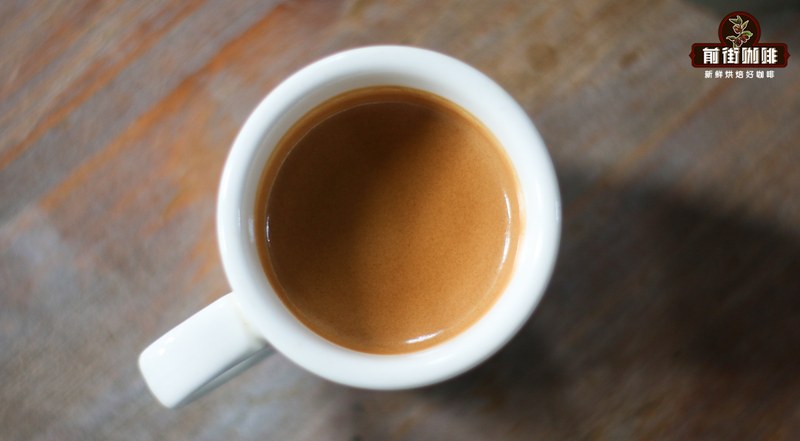
If using a home coffee machine to extract a single-origin espresso, you need to balance pressure and grind fineness. Typically use 18g of ground coffee, and under the standard pressure of 9 bar, extract 36g to 40g of coffee liquid, with the total time controlled between 25 seconds and 28 seconds. This extraction method can tightly fuse the fruity sweetness and acidity of the bean with rich crema, bringing a strong flavor impact.
Cross-referencing each coffee bean's unique flavor characteristics with specific brewing parameters is where the joy of daily coffee brewing lies. By adjusting water temperature, controlling the pouring rhythm and matching a suitable coffee-to-water ratio, you can easily find a brewing method that suits the bean's characteristics, steadily brewing a cup of aromatic, sweet and refreshing coffee on your own counter.
Related Reading

Comments (0)
Loading comments...
You May Be Interested


Trending Reviews
Popular Videos

With you, wherever you are! We provide useful features to help you find new things you'll love






