Source:Best Coffee > News Author:qjroot Published:2024-09-01 18:36:18
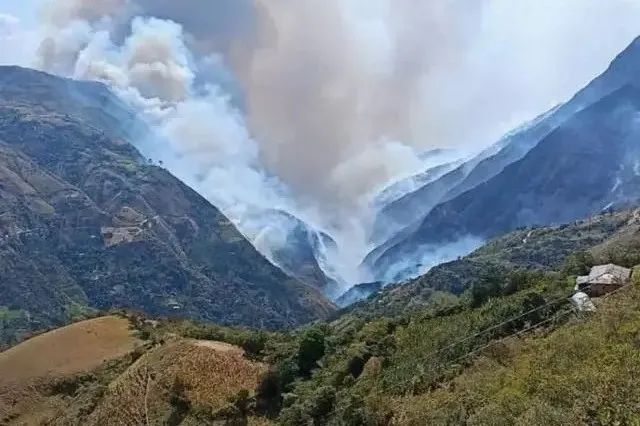
According to Colombian media reports, a forest fire broke out in the mountainous area of Bolivar municipality in Cauca Department in southwestern Colombia, with severe impact. According to the mayor of Bolivar municipality in Cauca Department, the forest fire that occurred locally a few days ago is currently out of control, with large tracts of land destroyed, a large number of coffee crops damaged, and surrounding water sources likely to be affected.
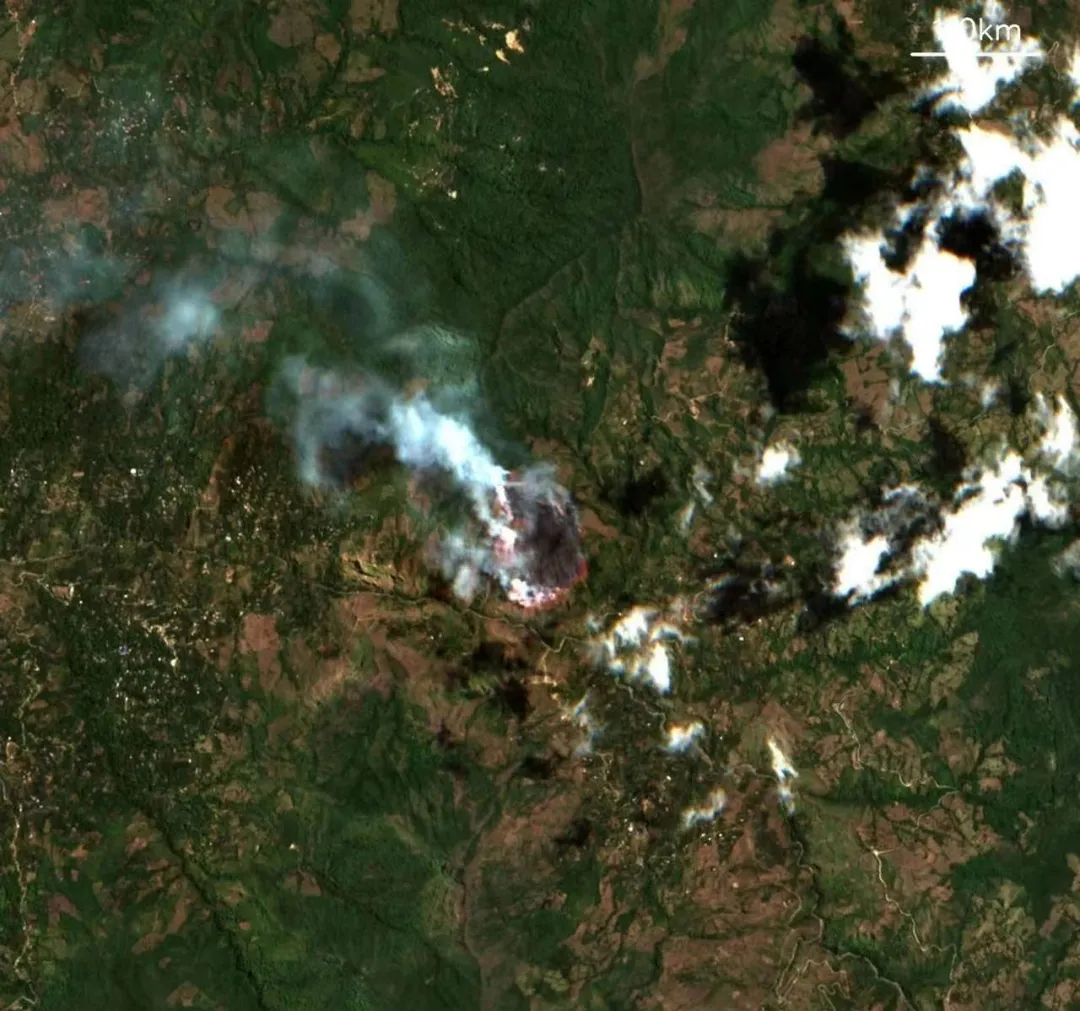
According to the mayor, this is the largest fire in the municipality in more than 30 years. Colombia is currently in autumn, which is relatively dry, and the fire has been affected by strong winds, causing it to spread rapidly. The fire has destroyed about 2,500 hectares of land in several rural areas near the mountains, causing severe damage to the department's agricultural industry, with large amounts of sugarcane and coffee crops damaged. The fire is currently spreading to other areas and has already spread to Valle del Cauca Department.
As the forest fire is close to the municipality's environmental protection zone, it may affect important surrounding water sources, causing regional water use to be affected. In addition, the fire is located in a mountain forest area, making it difficult for firefighting forces to approach, and firefighting work is extremely difficult. A request has now been made for other cities to provide aerial firefighting support.
It is understood that the cause of the forest fire is currently under investigation, but many locals suspect that the fire was triggered by armed conflict. This is because in July of this year, part of the Colombian Ministry of National Defense announced at a press conference that the Colombian government had terminated the ceasefire agreement signed with some factions of the "Central General Staff," a branch of the country's largest anti-government armed group, the "Revolutionary Armed Forces of Colombia," and launched a full-scale offensive against this faction.In addition, in early August, the Colombian Minister of National Defense once again announced the suspension of the ceasefire agreement with Colombia's second-largest guerrilla organization, the "National Liberation Army (ELN)," and that offensive operations would be carried out against the organization.
These two guerrilla organizations have long been active in the departments of Nariño, Cauca and Valle del Cauca in southwestern Colombia, as well as Norte de Santander in the northeast and other areas, because these areas have complex terrain, and the many forests in the outskirts make it easy to hide.
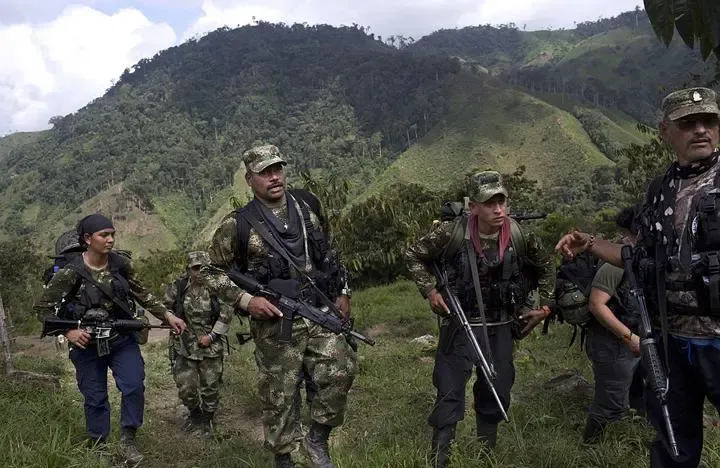
The guerrilla organizations have long carried out criminal activities such as kidnapping, robbery and bombing in these areas. Recently, some residents saw national defense forces exchanging fire with anti-government armed organizations on the outskirts of these departments, and therefore believe that this large-scale forest fire was caused by clashes between the two sides. In addition, reports pointed out that an oil pipeline in the border area between the department of Cesar and the department of Norte de Santander in eastern Colombia was attacked with bombs, causing crude oil leakage. The local government launched an emergency plan to mitigate the impact on the environment. At present, no group has claimed responsibility for the incident, but most people believe it was the work of illegal armed groups.
Norte de Santander, Cauca and Valle del Cauca are all among Colombia's important coffee-producing regions. Although these areas have been affected by armed conflict over the past two months, coffee production by coffee estates and smallholder farmers has not been directly threatened. According to the July coffee industry report released earlier by the Colombian Coffee Growers Federation (FNC), Colombia's coffee production in July was 1.16 million bags, an increase of 22.4% compared with the same period last year.
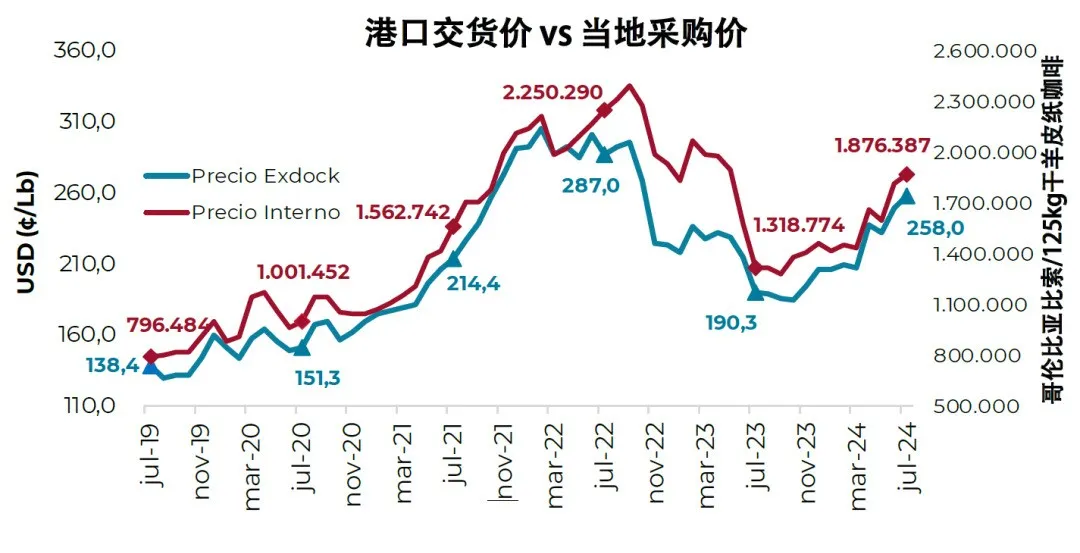
However, in recent days armed conflict has intensified, bringing serious effects on the regional environment, and by September Colombia's winter harvest season is about to arrive. This wildfire has also caused large areas of sugarcane fields and coffee fields to be affected, impacting production.According to reports, local coffee purchase prices in Colombia are continuing to rise; 7in July the local coffee purchase price in Colombia was 1876387 pesos (about 465 USD)/quintal (125kg), an increase of 3.3% over 6June. As the world's third-largest coffee producer and exporter, the production cuts caused by the wildfires are currently further pushing prices up.
To learn more about coffee origins and news, please scan the QR code to follow: Kaping
Long-press the QR code to follow:

Related Reading






Comments (0)
Loading comments...
You May Be Interested





Trending Reviews
2024-08-17
Popular Videos

With you, wherever you are! We provide useful features to help you find new things you'll love






