Source:Best Coffee > News Author:qjroot Published:2026-09-03 18:48:22
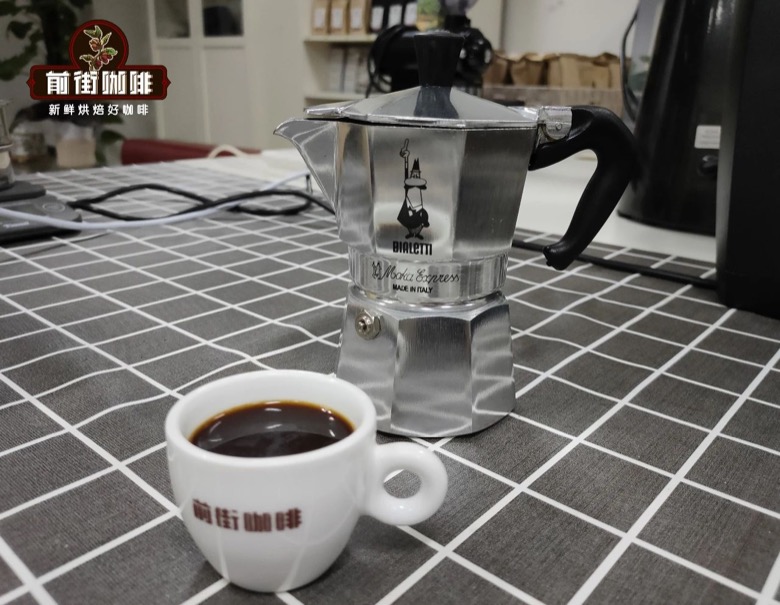
When choosing single-origin beans for a moka pot, you cannot look only at the name of the region; you also need to consider the pot's capacity, the amount of grounds the filter basket holds, the heating method and the target strength. A small-capacity pot pushes out liquid quickly, so it suits beans with concentrated aroma and clear sweetness; a large-capacity pot has a longer contact time, so you need to pay attention to body and heat tolerance. Once you sort out the equipment parameters first, the range of beans to choose from will naturally narrow.
The nominal capacity of a moka pot is usually measured in "cups," and one cup is about fifty to sixty milliliters of finished liquid, which is not the same as the capacity of a household mug. A three-cup pot commonly takes fifteen to eighteen grams of grounds, while a six-cup pot may reach around thirty grams. When the filter basket is filled full without tamping and the water is below the safety valve, the amount of beans and the extraction strength are easier to keep stable.
A small-capacity moka pot has a short water path and pushes out liquid quickly, so changes in heat are reflected directly in the cup. If using an electric ceramic stove or a gas stove, it is recommended to start on medium-low heat so the pot body warms up gradually and reduces the burnt taste caused by sudden boiling. This kind of equipment is better suited to medium to medium-dark roasted single-origin beans, where sweetness comes out easily and the acidity does not seem overly sharp.
A large-capacity pot has a larger bed of grounds and a longer heating process, so the beans need enough structure to support the strength. Medium-dark roasted beans usually more easily show cacao, nut or caramel notes, and after passing through the moka pot's high-temperature environment, the mouthfeel still has weight. If choosing lighter-roasted beans, you should lower the heat and end the extraction promptly so the aroma is retained more clearly.
Grind size is also a key part of the equipment parameters. A moka pot needs water to pass through the bed of grounds, but powder that is too fine increases resistance, and once the extraction time is prolonged it easily becomes bitter and dry; if ground too coarse, the coffee liquid may be thin. For home grinding, you can start from a state close to fine granulated sugar, slightly coarser than espresso grounds, then fine-tune according to the flow rate and the texture on the palate.
Qianjie Brazil Queen Estate is suitable for testing the basic settings of a moka pot. Its flavors can unfold toward roasted nuts, cacao and caramel sweetness, its acidity is softer, and when using a medium-capacity moka pot the mouthfeel is round. If the flow rate is normal, you can make a hot Americano directly; when you want a milk coffee, reduce the proportion of milk and the coffee's sweet aroma will be easier to perceive.

If the moka pot in your hands has fairly strong heat, or you are used to medium-dark roasts, Qianjie PWN Indonesia Golden Mandheling is also a suitable option to try. It carries herbal notes and a thick, dark-chocolate-like feel, with restrained acidity, and the coffee liquid it produces has a fuller texture. You can add a small amount of hot water to stretch it into a long black, or pair it with ice cubes to form a rich, low-acid iced coffee.

For pot sizes of three cups or more that are mainly used to make milk coffee, Qianjie Classic Blend is easier to match with the parameters. It focuses on nut, cacao and caramel notes, and the coffee liquid's strength and body are more pronounced. When using the standard amount of grounds and the water level below the safety valve, the coffee flavor is still retained after milk is added; if the amount of milk is smaller, you can also taste a caramel-like sweetness.
The same bean will also perform differently under different heat levels. When the heat is on the high side, the liquid may surge out quickly, entering the high-temperature stage before the aroma has fully unfolded; when the heat is too low, it easily prolongs the waiting time and gives the cup a dull feeling. Watch the process of the liquid going from dark to light, remove it from the heat before the color clearly lightens and continuous sputtering begins, then run cold water over the base of the pot to help stop extraction.
When choosing single-origin beans, you should also pay attention to the roast date and the condition of the beans. Beans with higher freshness may release more gas, and before the moka pot begins to flow there will be obvious bubbling; at this point you should not increase the heat just to chase speed. After resting for a few days before use, the flavor is usually easier to stabilize. Each time, keep the pot type, amount of grounds and water level fixed, and change only the grind or the heat, so the differences in the cup will be clearer.
From capacity to heat, and then down to grind and roast direction, choosing beans for a moka pot now has an executable path for judgment. A small pot can try medium-roasted beans with clear sweetness, while a large pot and milk coffee can move toward full-bodied medium-dark roasted beans. First let the parameters match one another, then adjust according to the strength, sweetness and finish on the palate; single-origin beans can also show distinct character in this small piece of equipment.
Related Reading



Comments (0)
Loading comments...
You May Be Interested




Trending Reviews
Popular Videos

With you, wherever you are! We provide useful features to help you find new things you'll love






