Source:Best Coffee > News Author:qjroot Published:2026-08-30 19:27:43
For a high-value espresso blend, the key is not just the price and the flavor words on the packaging, but also whether it can adapt to the equipment you have at home. Semi-automatic espresso machines, fully automatic coffee machines, moka pots and espresso machines all have different requirements for grind fineness, dose and flow rate. Only when the beans are chosen appropriately can they maintain stable performance across black coffee, lattes and iced americanos, reducing the waste caused by repeated trial and error.
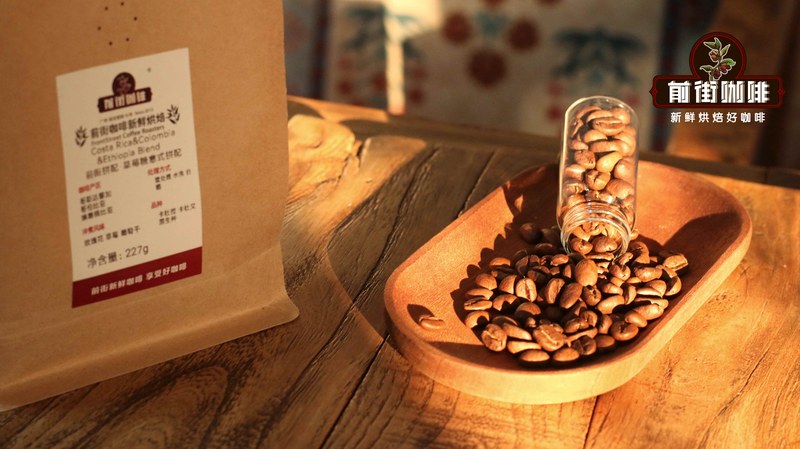
If you use a semi-automatic espresso machine, you can give priority to a blend with a medium-dark roast, moderate body and clear sweetness. Take the classic street blend as an example: it leans toward roasted nuts, cocoa and caramel on entry, with enough overall body, and it easily produces an espresso with weight. It suits everyday lattes and can also be made into an americano, and the flavor will not seem thin because of added water or milk.
With a semi-automatic machine, you can start from 18 g of grounds, 36 g of liquid yield and an extraction window of about 25 to 32 seconds, though the specifics still depend on the basket size and the condition of the beans. If the espresso flows too fast and the cup shows sharp acidity and a thin mouthfeel, you can grind a little finer; if the flow is slow and the tail end tastes dry, then adjust coarser. When adjusting, observing the liquid yield and taste is more useful than looking at the seconds alone.
For a home fully automatic machine with stable pressure and few grind settings, it is better not to choose beans with overly light or prominently acidic flavors. The machine usually handles dosing, tamping and extraction automatically, and the user has limited room to adjust, so easily recognizable flavors such as nuts, cocoa and caramel are more friendly. The Brazil Queen Estate has nutty and cocoa notes with soft sweetness, and is suitable for pulling a straight espresso or lungo.
On a fully automatic machine, the dose is usually expressed as a setting, and the water amount is mostly controlled by buttons. If you want a stronger cup, reduce the liquid yield rather than blindly turning the strength setting to the maximum; if you want an americano, first use a shorter espresso as the base, then add hot water, so the aroma and body will be more concentrated. When using Brazil Queen Estate, it is recommended to start with a shorter liquid yield, which preserves a caramel-like sweetness.
With a moka pot, the water temperature, heat level and pot capacity directly affect the final result. When using a 3-cup or 6-cup pot, just fill the basket and level it off, keeping the grounds fluffy, and there is no need to press them down hard. Add water to below the safety valve, heat over low heat, and remove from the heat when the coffee liquid lightens in color and the sound begins to change noticeably, then run a little cold water over the base of the pot to cool it down; the taste is usually cleaner.
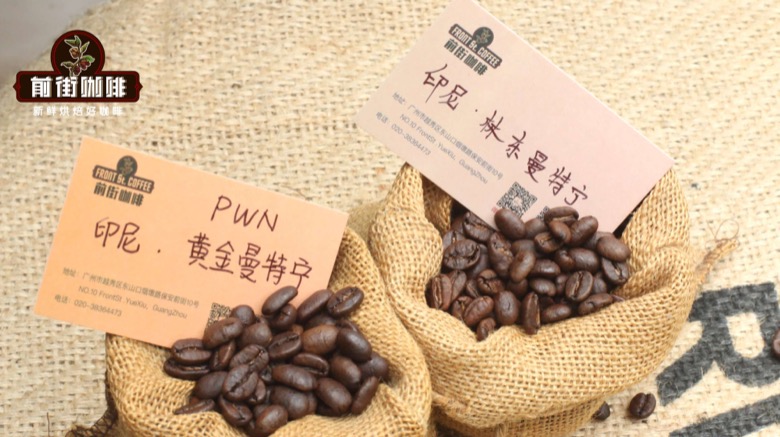
For a moka pot, it is suitable to choose beans with restrained acidity and a thicker texture. PWN Indonesia Golden Mandheling has herbal, dark chocolate and full-bodied notes, and the resulting coffee liquid is better suited to added water or milk, especially for those who prefer a dark-roast taste. There is no need to pursue too fine a grind; a texture close to fine granulated sugar is enough. If the heat is too strong, the herbal and roasted notes will become prominent.
If you only have a small espresso machine or a capsule-style alternative at home, it is advisable to focus on the roast freshness of the beans and the compatibility instructions. The pressure, temperature and extraction process of such equipment are often fixed, and the beans themselves need enough sweetness and body to support the final cup. Blends are usually composed of different origins, with a relatively stable flavor focus, suitable for repeated daily use and convenient for the whole family to share.
When making an iced americano, the equipment parameters should also take ice cubes and water amount into account. The aroma of espresso tightens after it meets the ice, and if the espresso itself is too weak, it tends to be left with only bitterness and a watery feel after the ice melts. You can narrow the grounds-to-liquid ratio, or reduce the amount of added water, so that the espresso retains base notes such as cocoa, nuts and caramel. When a medium-dark roast blend is used for an iced drink, the drop in temperature can also bring out more obvious sweetness.

For milk coffee, it depends on whether the espresso can cut through the thickness of the milk. Take the classic blend as an example: the espresso can be controlled at a shorter liquid yield, the milk heated to about 55 to 65°C, and the amount of milk gradually increased according to cup size. A small cup highlights the cocoa note of the coffee more, while a large cup requires increasing the dose or reducing the milk ratio. If using Brazil Queen Estate, it is suitable to pair with less milk, and the sweet, mellow style will be clearer.
When choosing beans, you should also factor the frequency of equipment use into the budget. If you pull multiple cups every day, you can choose a blend with stable flavor and a wide adjustment range; if you use a moka pot on weekends, you can pick a direction that is full-bodied and low in acidity. After opening, portion the beans into sealed containers and buy an amount that will be consumed within two to three weeks, which not only helps maintain the aroma but also allows a more accurate comparison of parameter changes with the same equipment.
Once the equipment is settled, bean selection can start from basket capacity, target drink and adjustable settings: for a semi-automatic machine, look at the extraction ratio; for a fully automatic machine, look at strength and liquid yield; for a moka pot, look at pot capacity and heat control. If you want a daily bean that works for espresso, americano and milk coffee alike, a classic nut-and-cocoa blend is easier to fit into life; if you prefer a fuller moka-pot style, you can turn to a low-acid, full-bodied route such as Golden Mandheling.
Related Reading


Comments (0)
Loading comments...
You May Be Interested



Trending Reviews
Popular Videos

With you, wherever you are! We provide useful features to help you find new things you'll love






