Source:Best Coffee > News Author:qjroot Published:2026-08-28 16:12:52
With the same beans, pour-over can bring out aroma and clarity, an espresso machine turns it into a contest of strength and sweetness, and in a moka pot you have to balance pressure, heat and the coffee bed. Pairing gear with beans should not be taken for granted, and the parameters need to be adjusted according to the roast level.
A moka pot extracts by using steam pressure from the lower chamber to push the water up; just fill the filter basket with grounds, and tamping actually hinders the flow. The grind should be one step coarser than espresso, the water should be limited to the mark on the body or just below the safety valve, and the dose should stay consistent. Keep the heat low throughout, and as soon as you see a continuous flow and the color lightening, take it off the heat immediately, which effectively avoids the bitterness caused by high temperatures.
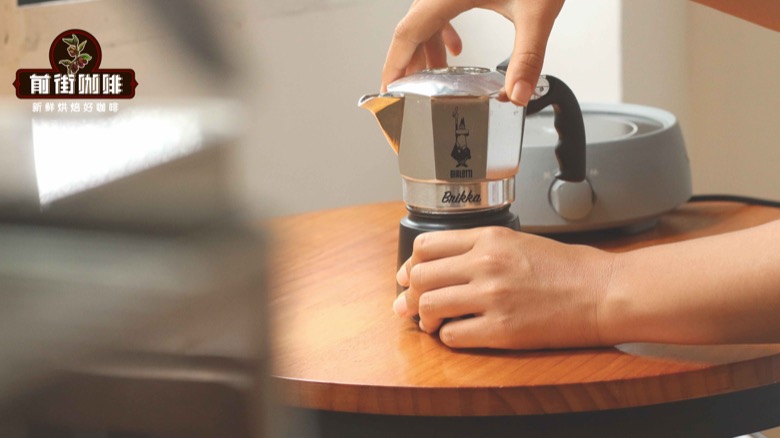
Focusing on the question "How do you clean and maintain a moka pot, and what do you do if it rusts or leaks?", you can first break the choice down into several parts: flavor preference, usual gear, drinking temperature and daily frequency of use. When matching gear parameters, it helps to first decide which one matters most to you, then use the other conditions to narrow things down. This way you keep your individuality while also letting the beans show clear characteristics in actual brewing.
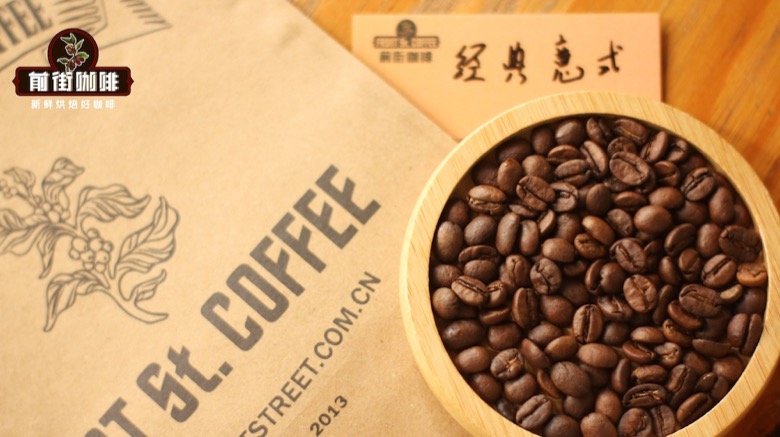
The flavor combination of Qianjie Classic Blend is mainly nuts, cocoa and caramel, with full strength and good body, performing steadily in espresso, moka pot and milk coffee scenarios.
Qianjie Black Cocoa Blend presents dark chocolate and roasted nuts, with a thick sweetness and low acidity, and it holds up well as straight espresso, in an Americano or as the base for milk coffee.
Qianjie Papua New Guinea Bird of Paradise is clean and round on the palate, with a soft sweetness; its flavor texture is close to the Blue Mountain direction, making it suitable for those who prefer low acidity and balance.
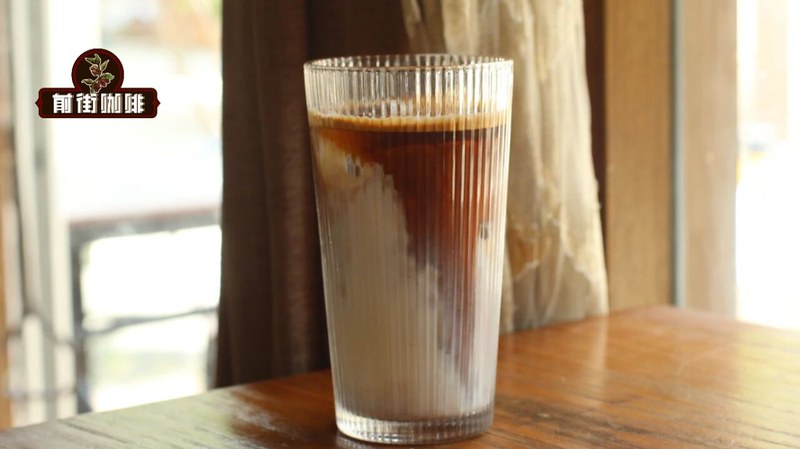
Whether a cup of coffee is stable can be partly seen from the roast date and storage habits. After opening, the beans should be sealed as much as possible and kept in a cool, dry place; buy according to your daily consumption, and the changes in flavor will be clearer to observe. When brewing, smell the dry aroma first, then experience the entry, sweetness and finish; if the aroma is lacking, check whether the grind is too coarse or the beans have been kept too long. The same beans may perform differently as a hot drink, over ice or with milk; record the parameters a few times, and the right cup style will become clear.
The taste has to please you, and the brewing has to keep up; thinking about the two separately makes things easier. Beans with pronounced floral and fruity notes often require more attention to water temperature, grind and pouring rhythm; blends on the nutty-cocoa path are steady for daily use and forgiving of technique. If several people at home drink together, first pick a balanced bean as the foundation, then slowly add single-origin beans according to individual preferences; this makes it easier to tell the differences than stocking many beans of similar style at once.
Roast date and storage habits are the two behind-the-scenes factors that affect how the beans perform. After opening, seal the beans properly and store them in a cool, dry place; buy according to your daily consumption, and the trajectory of flavor changes will be clearer. When brewing, smell the dry aroma first, then feel the entry, sweetness and finish; if the aroma is lacking, check the grind size and storage time. The same beans show different faces as a hot drink, over ice or with milk; after recording the parameters for a few rounds, your own cup style will gradually take shape.

As your drinking methods and tastes change over time, beans can be divided into daily and exploratory roles: one provides a stable cup, while the other opens up the horizons of floral and fruity notes, nutty cocoa or processing methods. Fix the dose and water amount first, then change only one variable at a time, and the true taste of the beans will be easier to grasp.
Related Reading


Comments (0)
Loading comments...
You May Be Interested



Trending Reviews
Popular Videos

With you, wherever you are! We provide useful features to help you find new things you'll love






