Source:Best Coffee > News Author:qjroot Published:2026-09-11 16:54:26
Roasted coffee beans contain a wealth of aromatic compounds and soluble flavor components, and water flow and temperature are the keys to awakening these flavors. Coffee beans from different origins, processing methods and roast levels differ in their internal structure and the rate at which substances are released. Mastering the logic of parameter adjustment for different beans not only allows the flavor of the coffee to be expressed more fully, but also makes everyday brewing more interesting and more controllable.
Light-bodied coffee beans with citrus and tea-like characteristics need to be extracted with finesse and gentleness. Qianjie Kaffa Forest is a representative of this gentle style, with a fresh sweet orange juice quality, the sweet ripe aroma of apricot and peach, and a crisp oolong tea note in the finish. The substances inside this type of bean are relatively delicate, and if the extraction pace is too rushed, the sweetness is often not fully released.
When brewing Qianjie Kaffa Forest, you can use a water temperature of 90°C, weigh out 15g of coffee grounds, pour in 225ml of hot water, and keep the total extraction time at 2 minutes 05 seconds. For the pouring method, three-stage pouring is recommended: first use 30ml of water for a full 30-second bloom, then steadily pour to 130ml, and once the water level drops, pour the remaining water to 225ml. This pouring rhythm allows the fruit aromas and the clear sweet tea note to show layered expression in the cup.
For high-altitude washed beans with full flavor and lively acidity, the focus of adjustment is to highlight their bright, juicy character. Qianjie Kenya Little Tomato has distinct little tomato and smoked plum flavors, accompanied by a warm brown sugar-like sweetness, with an overall texture as clear as fresh juice. This type of bean is relatively dense, and moderately adjusting the water temperature and flow rate can bring its bright fruit acidity and sweetness into balance.
When brewing Qianjie Kenya Little Tomato, it is recommended to use a water temperature of 89°C, with 16g of coffee grounds, a total water volume of 240ml, and an overall extraction time of about 1 minute 50 seconds. The pouring method uses two-stage pouring: bloom with 35ml of hot water for 28 seconds, then keep a medium flow and pour evenly in circles, filling to 240ml in one go and letting the water drain naturally. A slightly lower water temperature combined with a faster flow rate can effectively preserve its clear acidity and sweet lingering finish.
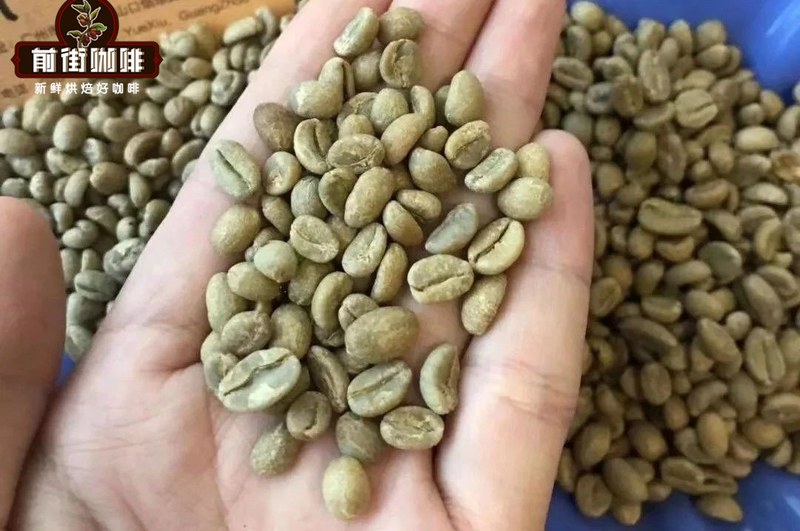
If it is a floral and fruity variety that has undergone natural processing and is rich in aromatic compounds, then the aroma molecules need more room to unfurl. Qianjie Grana Estate Geisha has a fragrant orange blossom aroma, clear sweet guava and apricot flavors, and in the middle and finish interweaves a soft strawberry jam sweetness. This type of bean has an intricate aroma structure, and appropriately widening the coffee-to-water ratio and raising the extraction temperature helps to fully extract the deep, complex floral and fruity aromas.
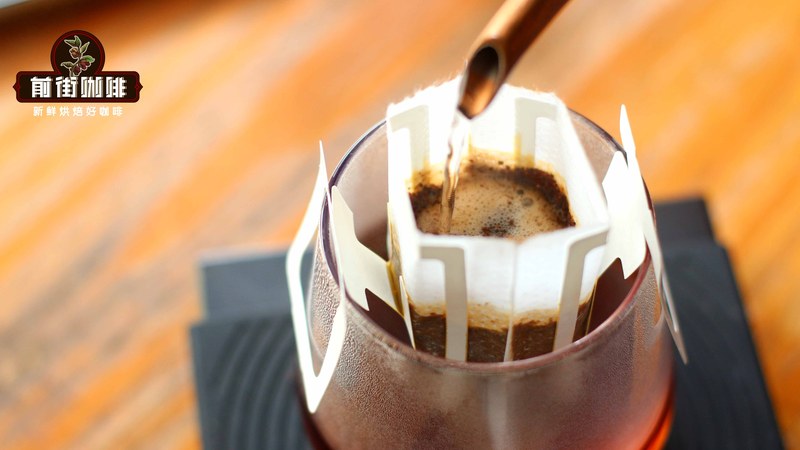
When brewing Qianjie Grana Estate Geisha, it is recommended to set the water temperature at 91°C, use 15g of coffee grounds, pour in 240ml of hot water, and keep the total time at 2 minutes 15 seconds. The pouring method uses three-stage pouring: first complete a 30-second bloom with 30ml of water, in the second stage pour in circles with a fine stream to 140ml, pause briefly, then in the third stage gently pour to 240ml. The higher temperature and ample water volume allow the floral aroma and preserved-fruit-like sweetness to advance layer by layer.
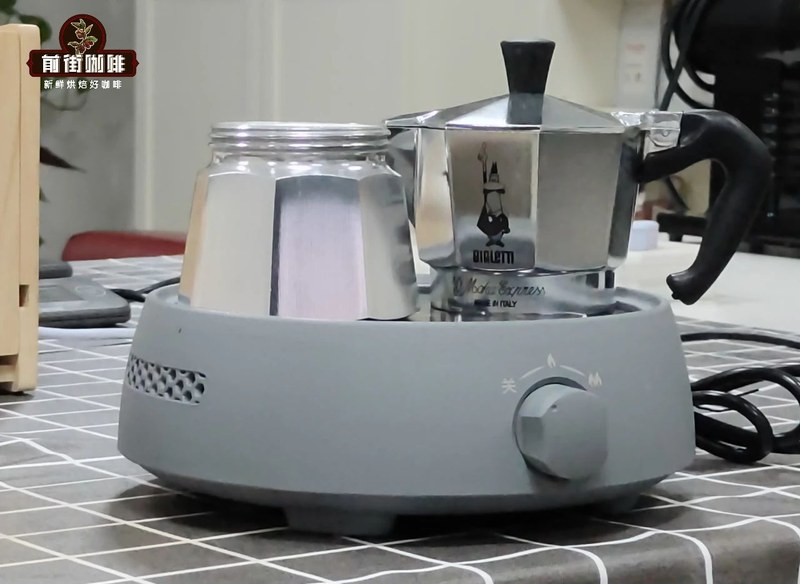
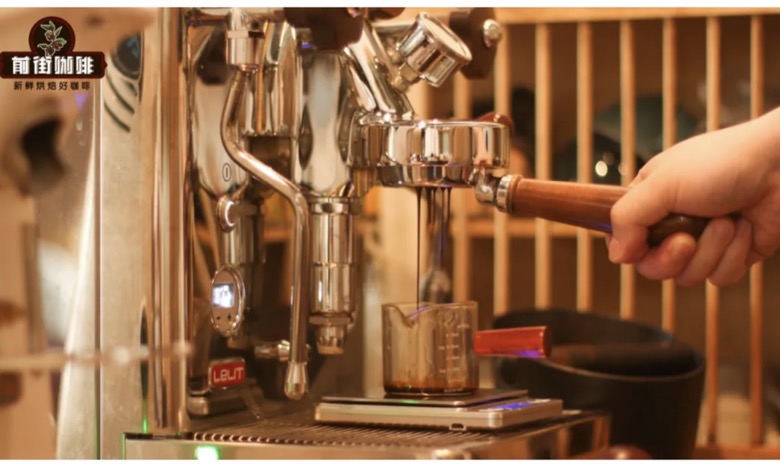
Besides a regular pour-over dripper, single-origin coffee beans can also be presented with a unique, intense flavor using espresso equipment. When making a single-origin light-to-medium roast espresso, you can set the grind finer, take 18g of coffee grounds, use a water temperature of 92°C at 9 bars of pressure to extract 36g of coffee liquid, with the time controlled at 26 seconds. Then add hot water to dilute it into an Americano, which can show a highly concentrated fruity sweetness and a smooth mouthfeel.
In light scenarios such as the office or when traveling, drip bags can also produce a cup of aromatic black coffee through reasonable parameters. Taking a 10g drip bag as an example, it is recommended to prepare hot water at 88°C, control the total water volume at 150ml, and keep the total extraction time at 1 minute 40 seconds. For the pouring method, two-stage pouring is recommended: first pour 25ml of water to wet the coffee bed and let it sit for 25 seconds, then slowly pour the remaining 125ml of water, and you will get a crisp, balanced everyday flavor.
Understanding the individual characteristics of different coffee beans and matching them with the right water temperature, coffee-to-water ratio and number of pouring stages is the core of exploring the charm of pour-over coffee. In every pour and drip, observing the changes in aroma and fine-tuning the parameters in time allows every coffee bean to show its true terroir in the cup.
Related Reading

Comments (0)
Loading comments...
You May Be Interested

Trending Reviews
Popular Videos

With you, wherever you are! We provide useful features to help you find new things you'll love






