Source:Best Coffee > News Author:qjroot Published:2025-11-13 17:52:33
For more specialty coffee knowledge, please follow: Qianjie Coffee (Frontsteet Coffee)
Recently, news about coffee market prices has appeared frequently, and the vast majority of these reports often mention one producing country: Brazil. Brazil's coffee production has ranked first in the world since 1960. While compiling coffee production information from various countries, Qianjie saw that Conab, the Brazilian government's food supply and statistics agency, announced that Brazil's total production of Brazilian coffee beans in 2021 was 46.88 million bags (60 kg/bag), and even this figure was recorded after Brazil experienced a once-in-a-century drought and severe frost in coffee-producing regions that caused a sharp decline in production.
The History of Brazilian Coffee
While reading through the relevant history of coffee's spread, Qianjie found that although Brazil now ranks first in the world in coffee production year after year, nearly 300 years ago there was not a single coffee plant on this land. Brazil's ability to make such a great contribution to the coffee industry today is thanks to a Portuguese military officer named Francisco de Melo Palheta. While on a diplomatic mission to French Guiana, this Portuguese officer became acquainted with the local governor's wife, and the two actually fell in love. When the Portuguese officer was about to set off back to Brazil, the governor's wife gave him a bouquet of flowers, with coffee seeds hidden inside it. After returning to Brazil, the Portuguese officer planted the coffee seeds. Because Brazil's climate and environment were very suitable for the growth of coffee plants, the coffee trees were able to adapt to the Brazilian environment in a very short time and spread southward.
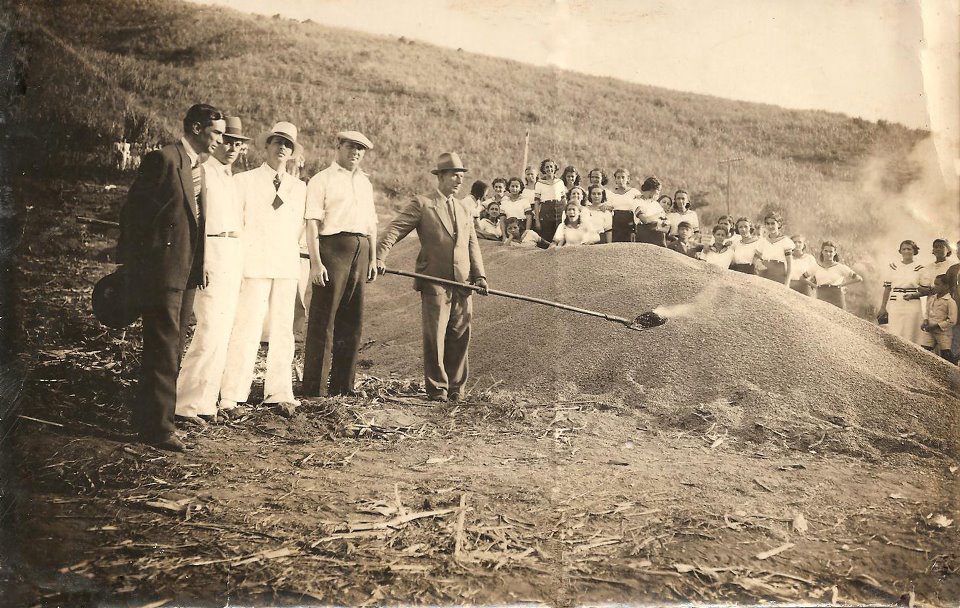
By the 1830s, Brazilian coffee beans accounted for 30% of global coffee production; by the 1840s, they reached 40% of global coffee production. By around the 1920s, Brazil's coffee production had already taken up 80% of global coffee production. At that time, Brazil's main coffee export destination was the United States to the north, and with the onset of the Great Depression in the United States, Brazil's coffee prices at the time depreciated by nearly 90%. Because Americans at the time no longer had the economic means to import Brazilian coffee, coffee inventories in Brazilian warehouses surged, and prices fell again and again. In order to clean up the coffee price market, the Brazilian authorities decided to burn billions of pounds of coffee beans.
Brazilian Coffee Bean Grades
On the market you often see labels like Kenya AA, Yirgacheffe G1, Blue Mountain No. 1, and so on. Qianjie has mentioned them in many articles about the relevant origins; this is how producing countries describe the grade of green coffee beans. But why have you never seen a label like Brazil AA? This is because the grading system for Brazilian coffee beans is different from those mentioned above. Friends who have visited Qianjie stores can easily spot the identity card of Brazilian green coffee beans.
On burlap sacks of Brazilian green coffee beans you often see expressions like 'Brazil NY.2 SC – 17/18 FC'. To interpret this information, it needs to be split into three parts. They respectively represent the defect rate, bean size and cup quality of the green beans.
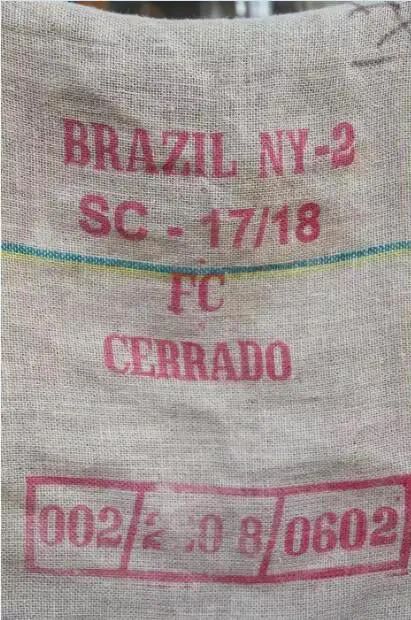
[Defect Rate]
The defect rate is divided into8 levels.

[Bean Size]
Green beans are screened using screens based on1/64 inch, and screen sizes are usually from14 mesh to20 mesh.

[Cupping Quality]
Fine Cup, Fine, Good Cup, Fair Cup, Poor Cup, Bad Cup. Generally speaking, Fine Cup (FC) and Good Cup (GC) are more common.
Brazil Coffee Regions
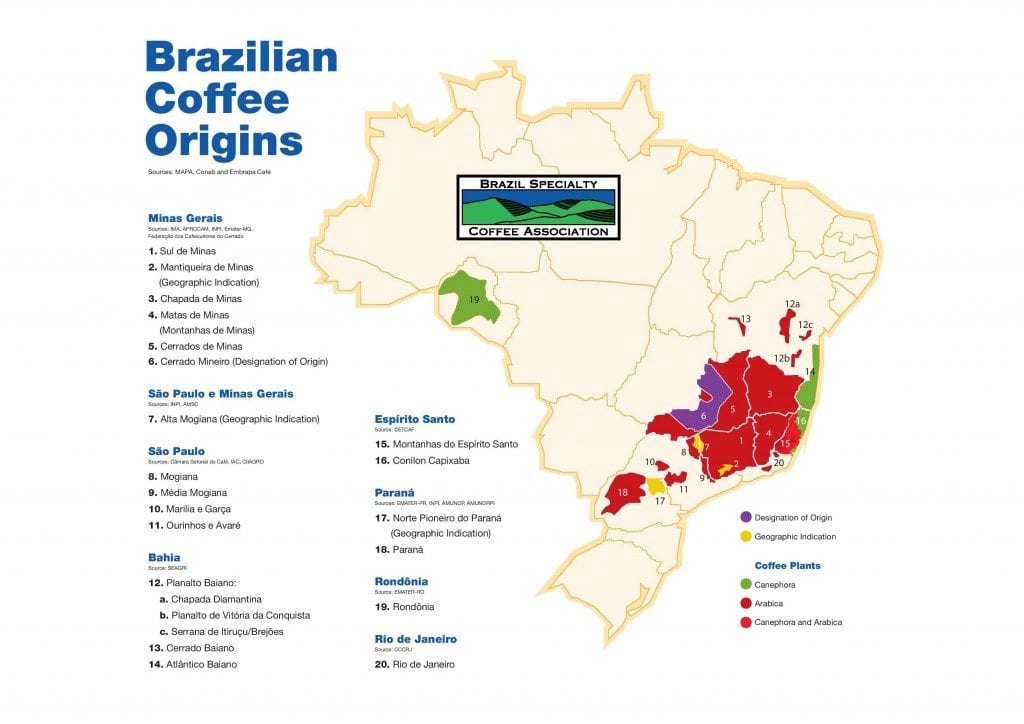
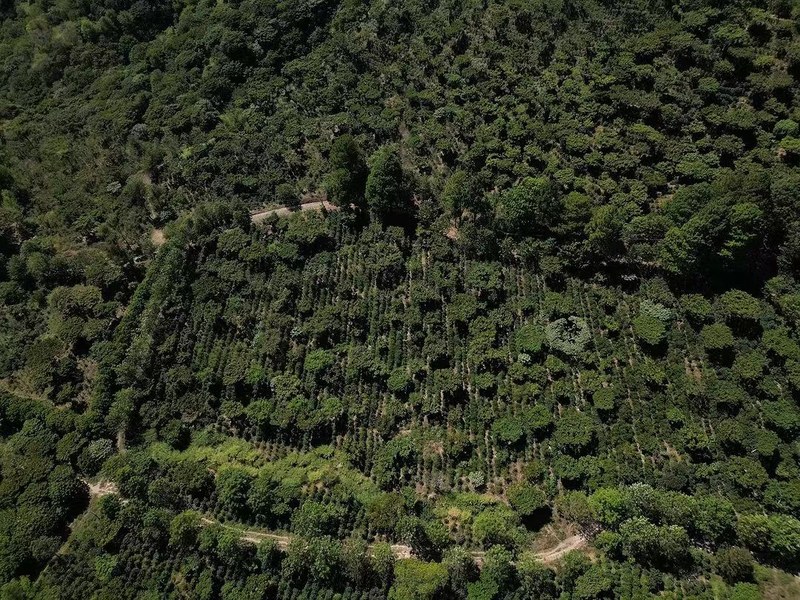
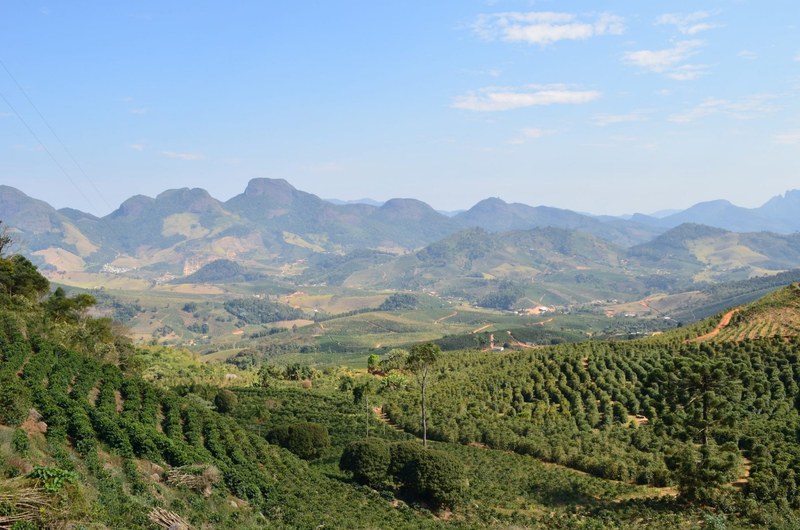
Most of Brazil's coffee-growing areas are in flatland regions, where the plains are extensive, and the area lies in a temperate climate zone with suitable temperatures. The coffee regions are mainly distributed across: BahiaBahia, Minas Gerais (Minas Gerais), Sao Paulo (Sao Paolo), Mato Grosso and Mato Grosso do Sul (Mato Grosso And Mato Grosso Do Sul), Espirito Santo (Espirito Santo) and Parana (Parana).
[Bahia]
The Bahia region began growing coffee as early as the 20 1970s. Unlike Colombia with its fine mountains and waters, it relies on high-tech agricultural techniques and excellent-quality coffee varieties, and the coffee produced in the Bahia region is drawing attention from more and more people.

[Minas Gerais]
This region is by far the most important coffee-producing region in Brazil, with nearly half of Brazil's coffee coming from Minas Gerais. It has fertile soil and relatively high altitude, making it a perfect growing region for Brazilian specialty coffee. The Cerrado (Cerrado) within the state is an even more classic Brazilian coffee region, and the characteristics of Brazilian Cerrado coffee beans also represent the classic taste of Brazilian coffee. In Qianjie's everyday bean series there is a bean from Cerrado used to represent Brazil's main flavor profile.
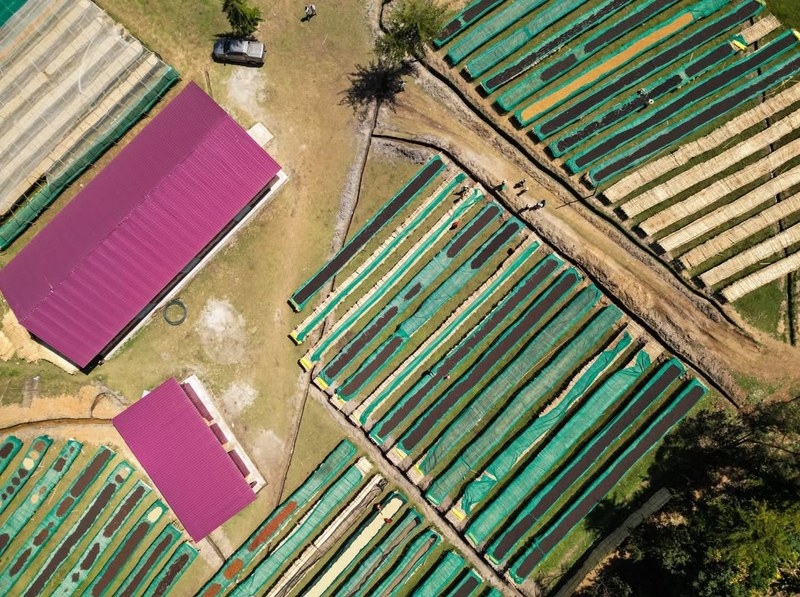
So that coffee newcomers can quickly find the region they like, Qianjie's everyday bean series selects representative beans from various distinctive regions. And so that everyone can better experience the most basic terroir of each region, Qianjie's everyday beans are all washed when selected, except Brazil, which is semi-washed. That is because the semi-washed method is the traditional processing method for Brazilian coffee.

FrontStreet Coffee: Brazil Red Bourbon Coffee Beans
Region: Cerrado, Brazil
Altitude: 1000m
Variety: Red Bourbon
Processing Method: Semi-washed
[Sao Paulo State]
Sao Paulo State is better known for its export port, the Port of Santos, but Sao Paulo State is also a place where coffee is grown. The state's Mogiana region also has the capacity to produce specialty coffee of excellent quality, with its fertile soil, perfect altitude (900m to 1100m), complex terrain and suitable temperature.
[Mato Grosso and Mato Grosso do Sul States]
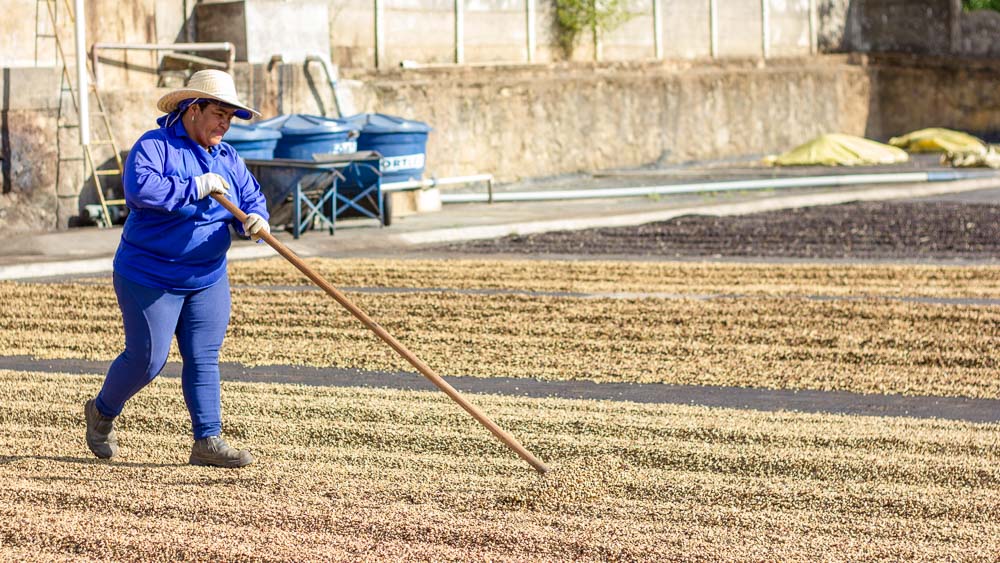
This region produces little coffee; although the terrain is high, the average altitude is around 600m and flat, which cannot meet the 1200m planting altitude requirement for Arabica, making it more suitable for animal husbandry.
[Espirito Santo]
The Espirito Santo region is the second-highest coffee-producing region within Brazil. Nearly 80%of the coffee plants here belong to the Robusta species. Coffee from this region is rich in fruit flavor and high in acidity.
[Parana]
The Parana region is the coffee-producing region closest to the southernmost tip in the world. Parana accounts for only 2.5%of Brazil's land area, yet it produces 25%of Brazil's crops. The altitude here is relatively low, and the climate tends to be cool.
How to brew Brazilian coffee?
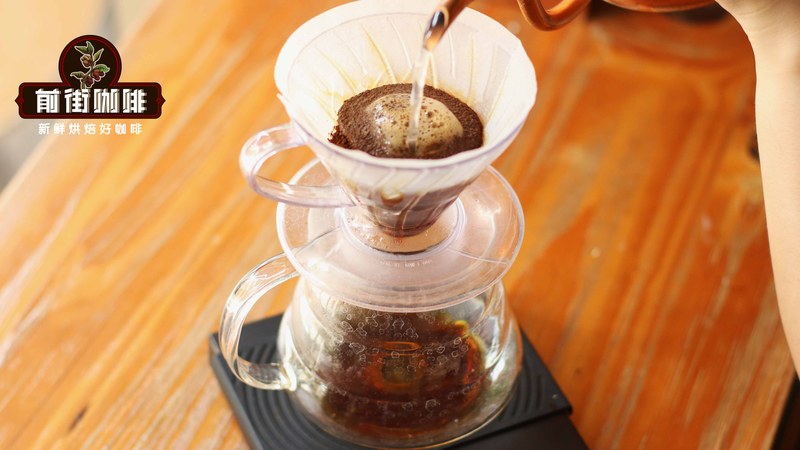
The Brazilian coffee beans on Qianjie's bean list are medium-dark roasted, highlighting aroma while having a certain degree of body. Qianjie's baristas always use a KONOdripper when brewing Brazilian coffee beans; because the flow rate is slow, the coffee grounds and water are able to fully contact each other.
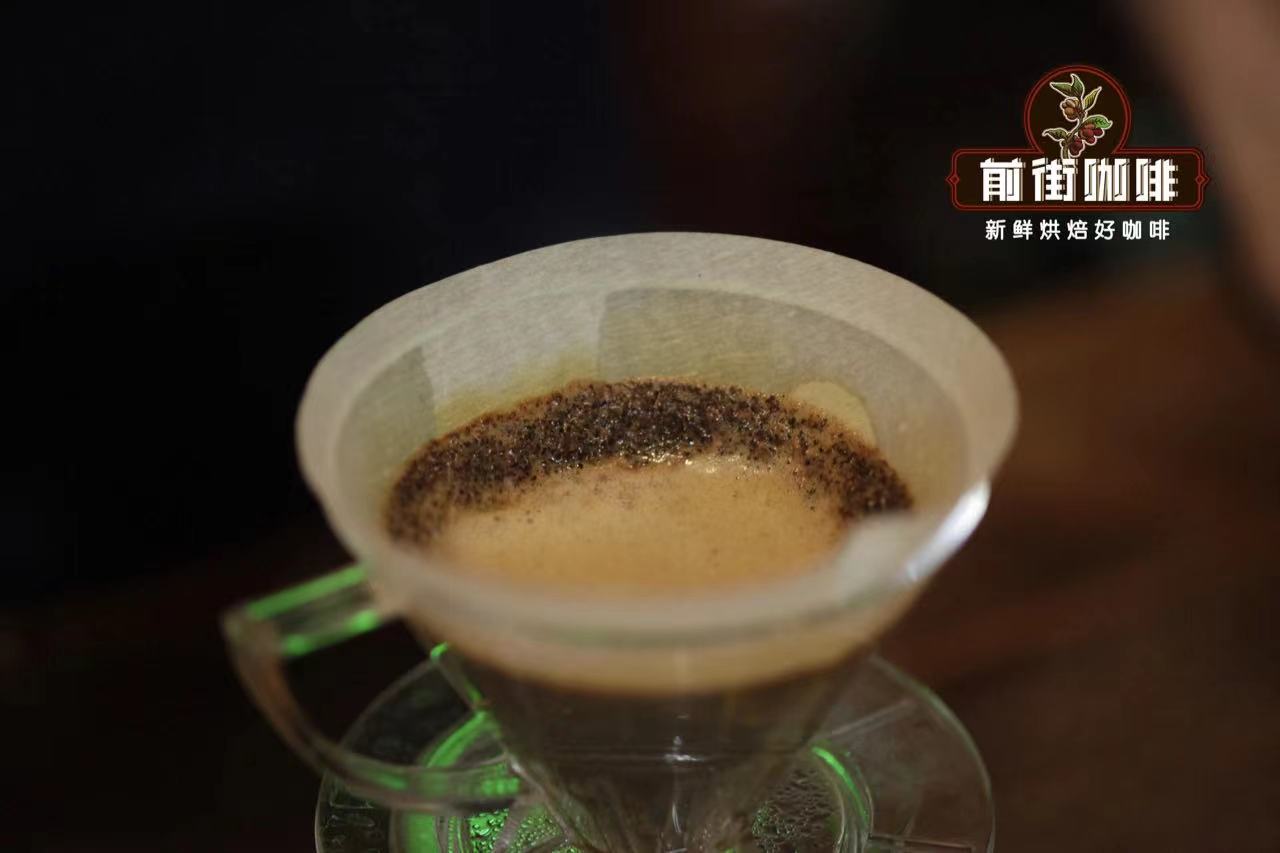
Dripper: KONO dripper
Dose: 15g
Coffee-to-water ratio: 1:15
Water temperature88°C
Grind size: EK43s#10.5 (China standard 20 mesh sieve pass-through rate 75%)
The barista at Qianjie uses a three-stage pouring method, which gives the final cup a richer sense of layering.

First pour 30g of water for a 30 second bloom. Because Qianjie's Brazil coffee beans are roasted at a medium-dark level and were freshly roasted within 5 days, you can see a very beautiful blooming "hamburger." Then pour the second stage of water up to 125g in stages, and when the water level drops to the point where the coffee bed is about to be exposed, pour the third stage up to 225g and stop pouring. Wait for the water in the dripper to finish dripping completely, then remove the dripper. Total extraction time 2'00".
When pouring the third stage, note that if the water level rises above the coffee bed on the dripper wall, some water will flow down along the edge of the dripper, and the cup will have a "watery" taste. If the water level is too low, some coffee grounds will not take part in the extraction process, and the final cup will taste thin.
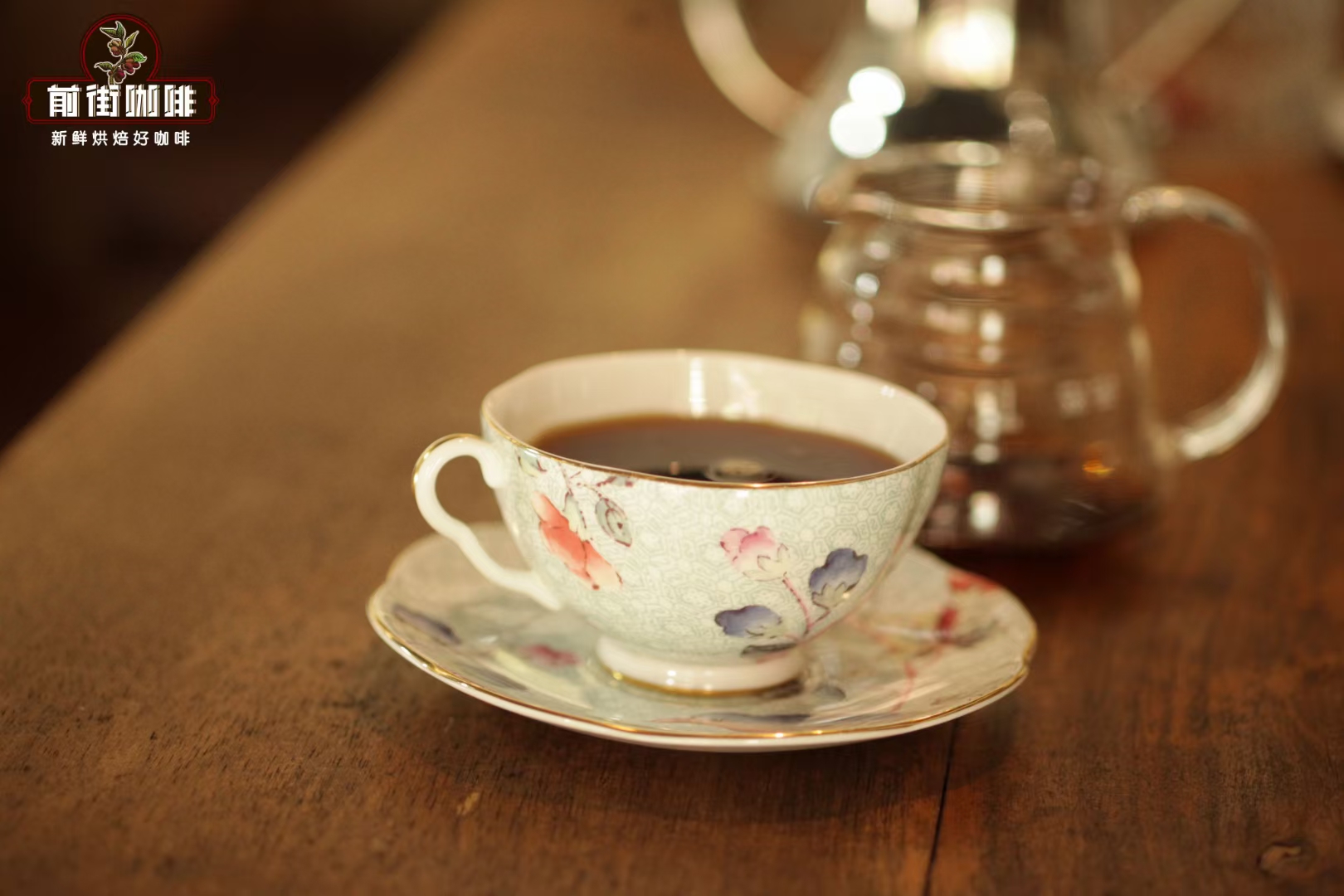
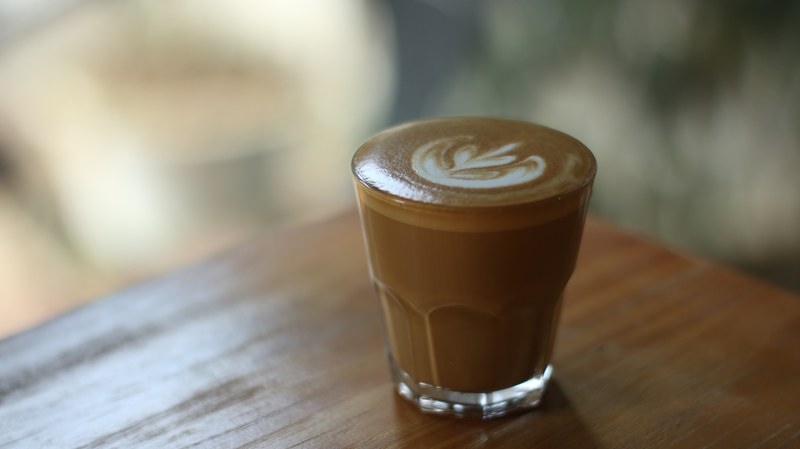
This Qianjie Red Bourbon from the Cerrado region has the classic Brazilian coffee flavor. Because coffee in Brazil is grown using the sun-dried method, the coffee cherries ripen quickly, resulting in a soft-bean flavor. When brewing, you can already smell peanuts and nuts, and on the palate it is very smooth and comfortable, with low acidity, caramel sweetness, and a dark chocolate finish.
Related Reading
Comments (0)
Loading comments...
You May Be Interested

Trending Reviews
Popular Videos

With you, wherever you are! We provide useful features to help you find new things you'll love






