Source:Best Coffee > News Author:qjroot Published:2026-08-15 10:43:20

The flavor of a milk coffee is seventy percent down to the coffee and thirty percent to the milk. If the espresso is too thin and weak, the milk coffee easily turns into a "milky drink"; if the espresso is too aggressive, it overwhelms the milk. So for making lattes, cappuccinos and Dirty, choosing the right blend is key. The three Best Coffee blends below are all very well suited to milk coffee production.
Best Coffee Classic Blend uses the traditional Mamba blend recipe, and its crema performance is very stable. In a latte, the dense crema melds with the steamed milk for a smooth, full body, and the coffee flavor is not covered by the milk. Because a cappuccino has thicker foam, it demands more body from the espresso, and the Classic Blend is just right to support that layer of dense foam, with a clear coffee backbone on the palate.
Dirty goes without saying. Cold milk holds up the hot espresso, and the crema floats on the surface to form a beautiful layer. The cocoa and nut flavors brought by the Classic Blend's dark roast are released in layers through the alternation of hot and cold: intense in the first sips, gradually softer later, very well suited to people who like a sense of "ritual".
Many friends who make milk coffee at home easily overlook one detail: crema is not just for looks, it is actually the "carrier" of flavor. An espresso rich in crema blends with milk for a rounder mouthfeel, and latte art also sets more easily. The Classic Blend has always been very stable in this respect; whether you use an entry-level home machine or a commercial semi-automatic, it delivers a fairly consistent result.
Black Cocoa Blend is also 100% Arabica, but it is positioned more toward "tasty without being expensive". After dark roasting, the aroma of dark chocolate and roasted nuts is obvious; made into a latte, the milk's sweetness and the coffee's bitterness blend quite naturally, smooth on entry with a hint of caramel in the finish.
For owners who have just opened a shop, the advantage of this bean lies in cost control. With dozens of milk coffees produced every day, the unit price of the beans directly affects profit. Black Cocoa Blend keeps the taste on point while holding costs down, making it a very practical base bean for an everyday milk coffee menu.
If you make milk coffee at home fairly often, say two or three cups a day, Black Cocoa Blend is also very suitable as a daily staple. You do not have to feel too bad about how much you use; practicing extraction and practicing latte art costs you nothing emotionally, and the result will not disappoint you.
If the Classic Blend is balanced and the Black Cocoa Blend is practical, then Best Coffee Autumn Chestnut Blend is "standout sweetness". It is blended from Honduras Caturra and Papua New Guinea Typica, and after dark roasting it presents flavors of roasted chestnut, caramel and dark brown sugar, with soft acidity and a round overall mouthfeel.
In a hot latte, the chestnut sweetness of the Autumn Chestnut Blend is amplified by the milk, drinking like a warm nutty caramel latte. As a cappuccino, the thick foam wraps around the sweet aroma for a full, layered mouthfeel. Dirty is even better: the freshness of the cold milk contrasts with the chestnut sweetness, intense at first on the palate and then turning clean and lightly sweet, very suitable for pushing to customers as a seasonal or signature item.
The Autumn Chestnut Blend also has a hidden use: making a flat white. A flat white's foam is thinner and finer than a latte's, and the ratio of coffee to milk is closer, placing higher demands on the bean's sweetness. The Autumn Chestnut Blend's low acidity and chestnut sweetness make a very comfortable flat white, smooth on entry with a clean finish, a favorite of many friends who like flat whites.
| Comparison item | Best Coffee Classic Blend | Best Coffee Black Cocoa Blend | Best Coffee Autumn Chestnut Blend |
|---|---|---|---|
| Crema | Dense and stable | Abundant | Moderate |
| Milk coffee flavor | Full-bodied and balanced, clear coffee flavor | Dark chocolate and nuts, smooth and natural | Chestnut and caramel, standout sweetness |
| Suitable scenarios | Home daily use, shop signature | High-frequency production, cost-sensitive | Seasonal limited editions, customers who prefer sweetness |
| Recommended milk coffees | Latte, cappuccino, Dirty | Latte, large Americano with milk | Hot latte, Dirty, flat white |
For milk, whole milk with a protein content above 3.2% is recommended, and the steaming temperature should be kept between 55-65°C; too high and the sweetness drops and a burnt taste appears. Latte art is not mandatory, but the foam thickness must match the drink: a latte has thinner foam, a cappuccino thicker foam, and a Dirty needs no steaming, just cold milk straight.
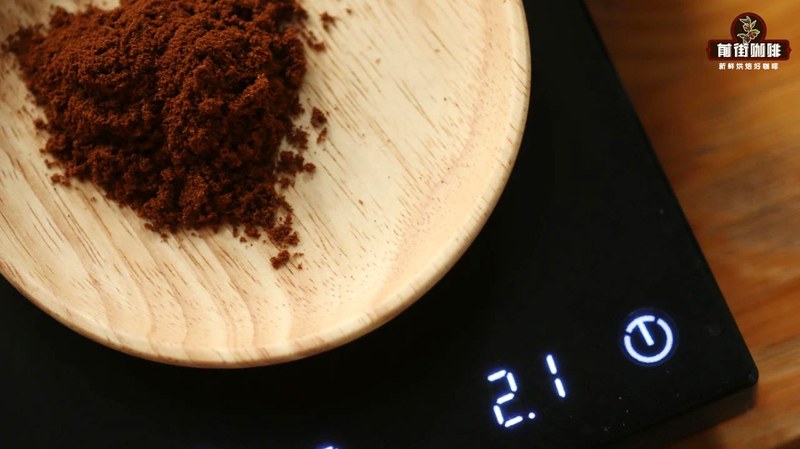
Espresso extraction parameters can start from 18g of grounds, 25-30 seconds, 36g of liquid, then be fine-tuned according to the bean's condition and the machine's performance. When making a Dirty, chill the cup in advance, pour the milk to eight-tenths full, and keep the spout close to the liquid surface during extraction for a more obvious layer.
There is another easily overlooked point: resting the beans. After freshly roasted espresso beans arrive, do not rush to open the bag; leave them 7-10 days to let some carbon dioxide escape, and the crema will be more stable, and extraction will not "spray" everywhere because of too much gas. Beans that have rested properly show a noticeably better consistency in the cup.
Whether a milk coffee tastes good depends on all three: beans, milk and extraction. These three Best Coffee blends correspond to the three directions of balanced, practical and sweet respectively; choose the one that fits your taste or menu positioning, then adjust repeatedly and produce consistently. That matters more than frequently changing beans.
Related Reading



Comments (0)
Loading comments...
You May Be Interested





Trending Reviews
Popular Videos

With you, wherever you are! We provide useful features to help you find new things you'll love






