Source:Best Coffee > News Author:qjroot Published:2025-03-15 09:01:06
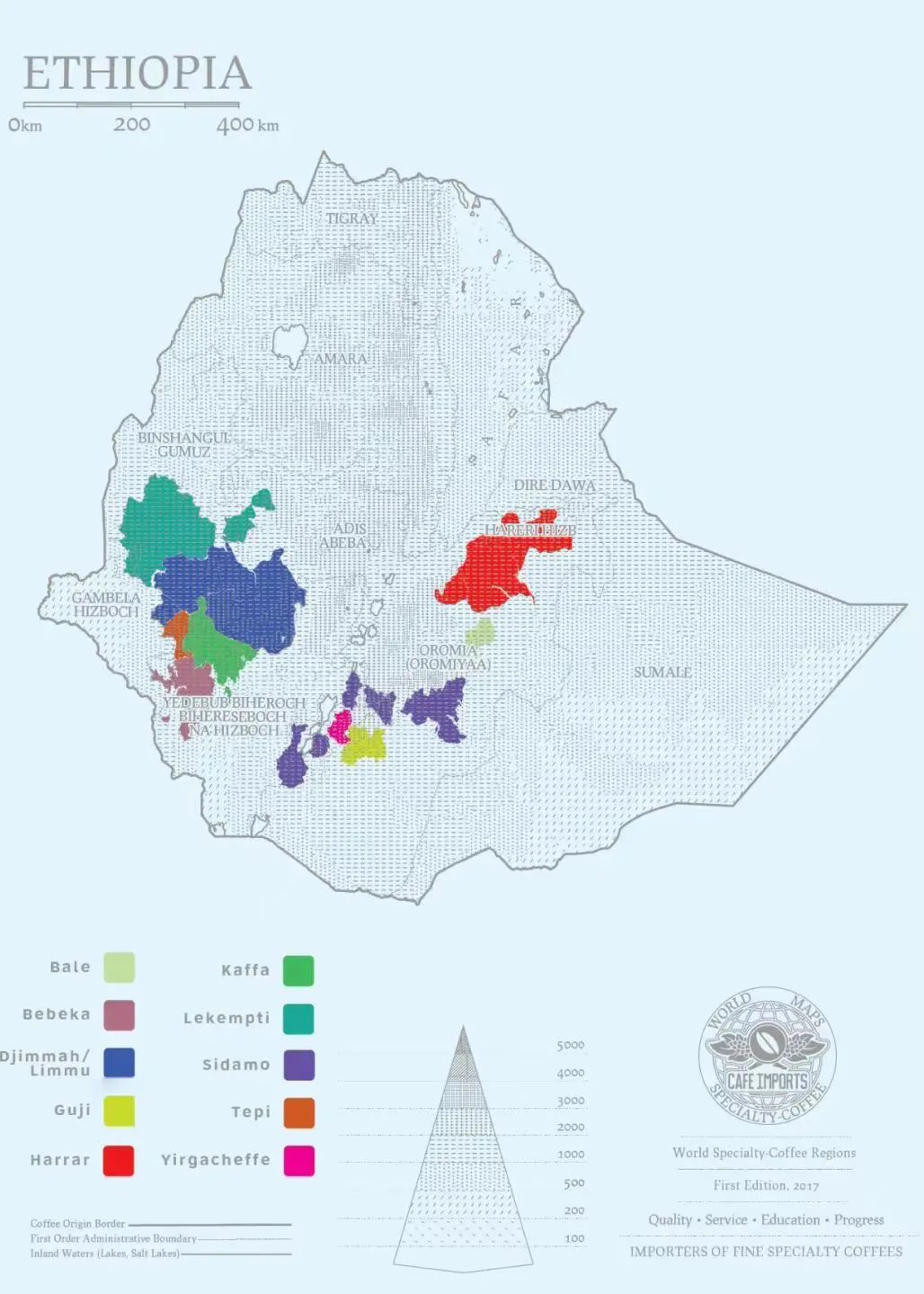
Ethiopia is Africa's largest coffee-producing country, with a long history of coffee cultivation, and is widely recognized as the birthplace of coffee. It also has countless native coffee varieties; according to statistics, Ethiopia now has 10,000 to 15,000 coffee varieties. The coffee produced in the country is loved by countless coffee enthusiasts for its fruity flavors and elegant floral aromas.
At present, Ethiopia has many well-known coffee regions, such as Sidamo, Yirgacheffe, Kaffa and Guji. Yirgacheffe is a small town under the Sidama Region (the Sidama Region was formerly part of the Southern Nations, Nationalities, and Peoples' Region and became an independent region through a referendum in 2019), and is part of the Sidamo coffee region, but because the coffee it produces has a unique flavor, it was separated out to become a new coffee region.
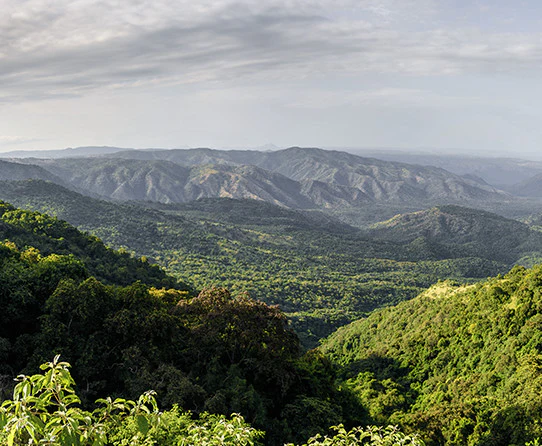
Currently at Qianjie, there are several coffee beans from the Yirgacheffe region, among which one is the "Yirgacheffe Red Cherry" coffee bean. So what does this "Red Cherry" mean? Is it because the flavor resembles red cherries?

Actually, that is not the case. The "Red Cherry" here refers to the fact that this coffee bean comes from a batch produced under a program called "Operation Cherry Red." Best Coffee has learned that this program is a project mainly aimed at helping coffee farmers improve the quality of green beans in all aspects.
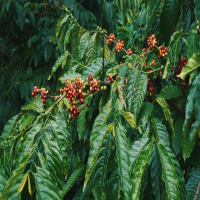
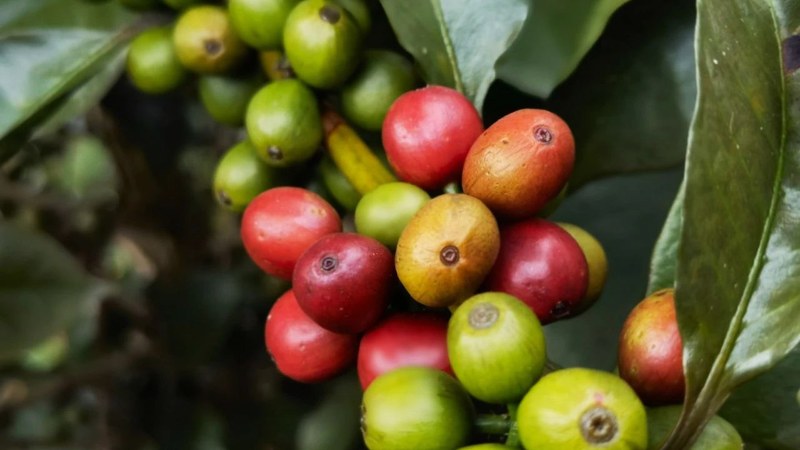
As we all know, as a special kind of "fruit," the coffee cherry itself looks very much like a tiny cherry, and like other varieties it follows the growth rule that the riper it gets, the sweeter and better its flavor becomes, and when the fruit is peeled open a faint fruity scent can be smelled. Precisely because of this, if you want a cup of coffee to have a full and rich aroma, harvest quality must be properly controlled during the production stage, and the first requirement is to pick only fully red cherries.
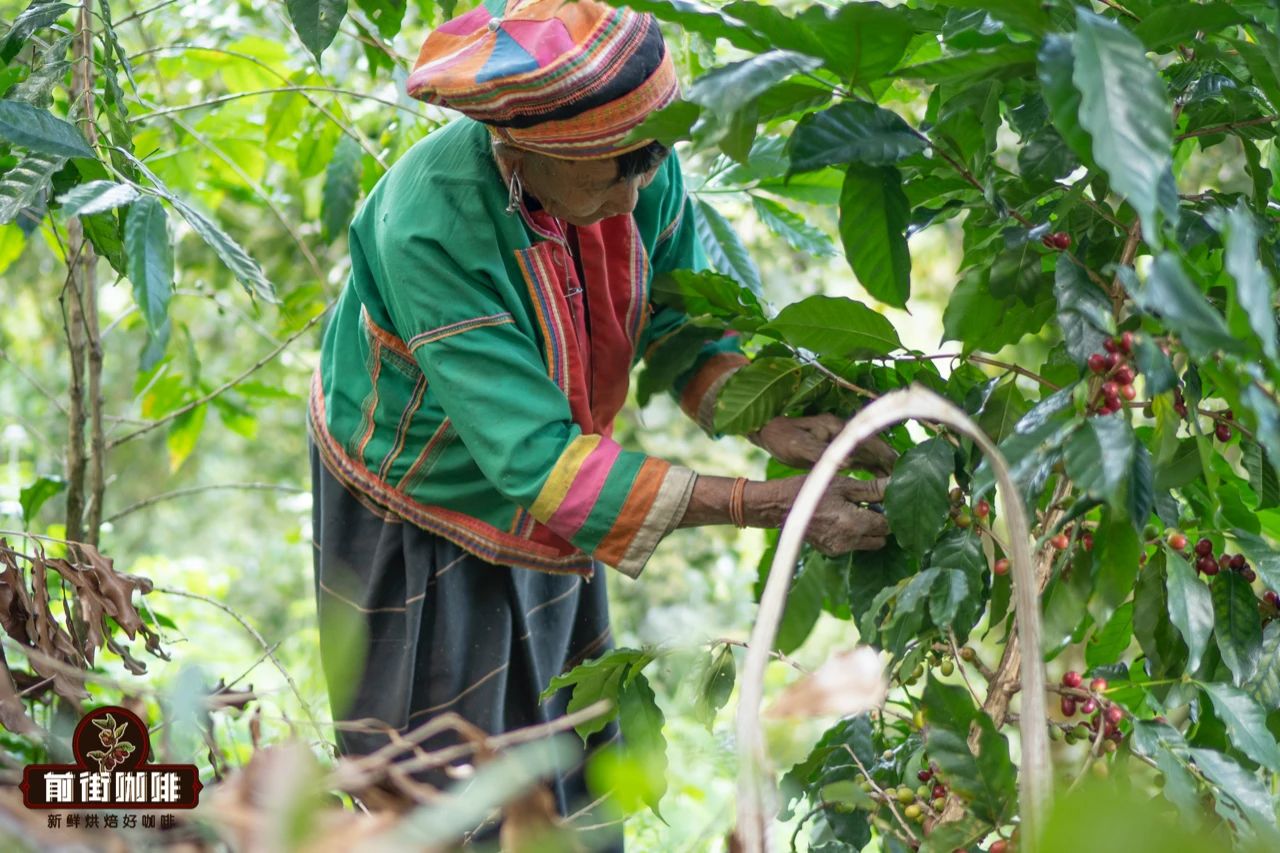
For a long time, farmers planted coffee trees in their own backyards or farmland, and when the picking season arrived, they would set out to collect the coffee cherries and then transport them to green bean traders or processing plants. But at that time the coffee price was not high, and farmers were after speed and also wanted to earn more income, so they did not care about the appearance or quality of the coffee. During harvest, they picked everything regardless of whether it was a red cherry, a green cherry or a bad cherry, seeking profit through sheer volume. But the consequence of doing this is that the coffee cherries are a mix of good and bad, uneven in quality, which affects the final quality and flavor.
By 2007, the arrival of Trabocca, the largest coffee bean merchant in the Netherlands, changed this situation. The company has always been committed to seeking out all kinds of high-quality raw materials, focusing on environmental protection and caring about farmers' lives. Therefore, it believed that the current situation was not conducive to development, and so it proposed the "Red Cherry Project."
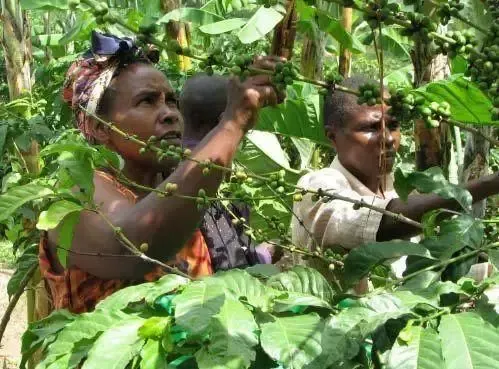
To this end, during the harvest season the company invites farms across Ethiopia to produce batches of coffee beans of 1500-3000 kg, but these batches need to meet the requirements of the "Red Cherry Project": the coffee beans must be harvested entirely by hand, and 100% fully red cherries must be picked. The company then purchases these coffee beans at a price several times higher than the market price.
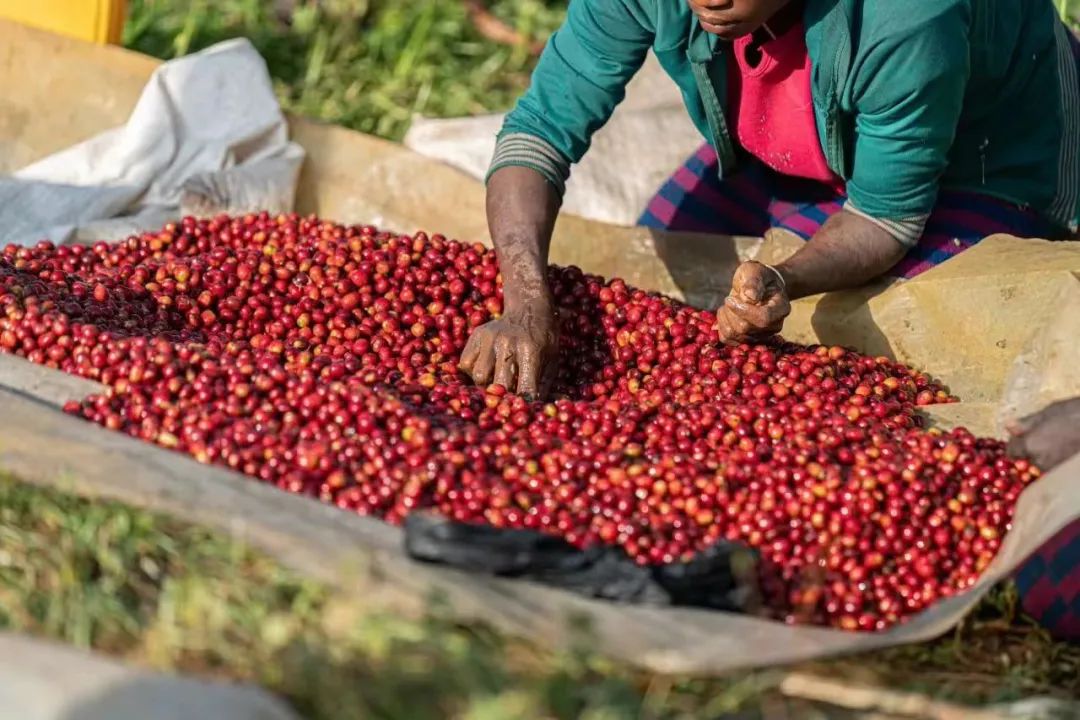
In this way, both coffee farmers and green coffee traders can profit: the farmers' income rises, while the quality of the green coffee is guaranteed and its price rises accordingly. The small lots required by Trabocca also give the processing plant enough time and energy to devote to processing these coffee cherries.
However, Trabocca does not buy every small lot of coffee beans, even if it meets the basic requirements of the Red Cherry project. After receiving the coffee beans, Trabocca cups the coffee twice, in cupping rooms in Ethiopia and the Netherlands respectively, and only coffee that meets the cupping standards qualifies. In addition, Trabocca invests in processing plants, adds equipment, provides financial loan support and passes on knowledge to coffee farmers, raising production levels and supplying higher-quality coffee beans.

At present, the Red Cherry Project includes washed, natural, semi-washed, semi-natural and experimental coffees, among others. Its main producing areas are Yirgacheffe, Sidamo, Bonga Forest and Lekempti, all of which are regions with very distinctive Ethiopian flavours.
Simply put, the Red Cherry Project encourages coffee farmers to carefully complete every step, from picking to processing the coffee cherries, by raising the purchase price of high-quality green coffee beans. The beans produced in this way are better in quality and taste better, and at the same time gain market recognition and command a relatively high buying price.
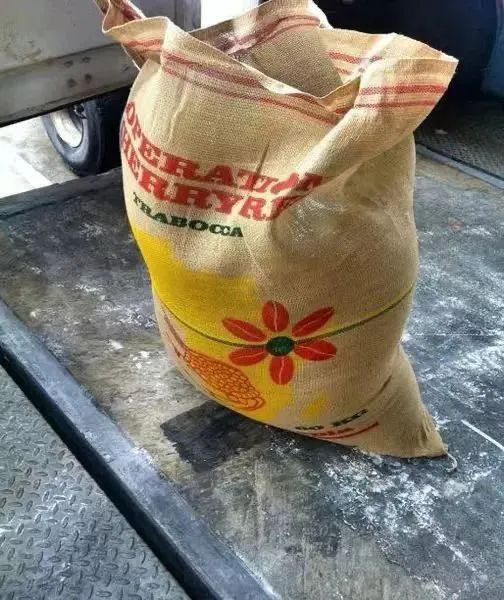
This Red Cherry coffee bean obtained by Best Coffee comes from the Yirgacheffe region and uses the traditional natural process. The natural process is called "Natural" in English, meaning a natural, non-technological processing method. Since humans discovered coffee in Ethiopia in the 6th century AD, the natural process has been the only processing technique for coffee circulating in the Arab world.
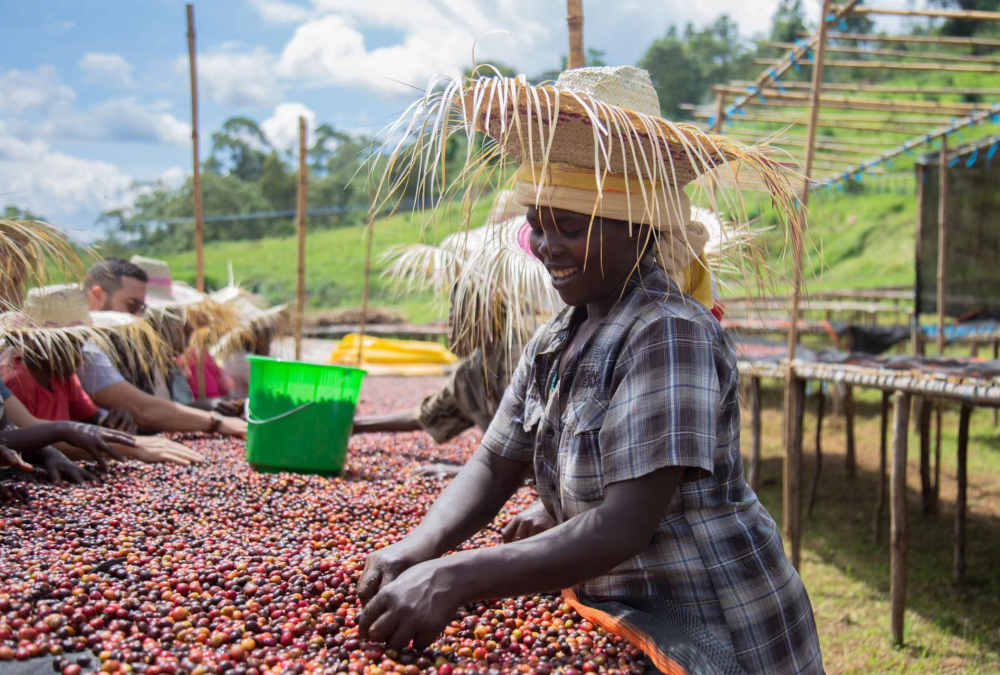
The traditional natural process requires no contact with water at all, and the seed extraction process is also very simple: first dry the whole coffee fruit thoroughly in the sun, then crush and hull it with a machine to obtain the inner bean. It can be done anywhere there is sun. But the drawback of natural coffee is also very obvious: it is highly dependent on the weather and requires a drying time of up to one month. If there is wind or rain during this month, the work is likely to be ruined. Therefore, this ancient processing method is often concentrated in tropical countries with distinct dry and wet seasons, and Ethiopia is one of the famous representatives.
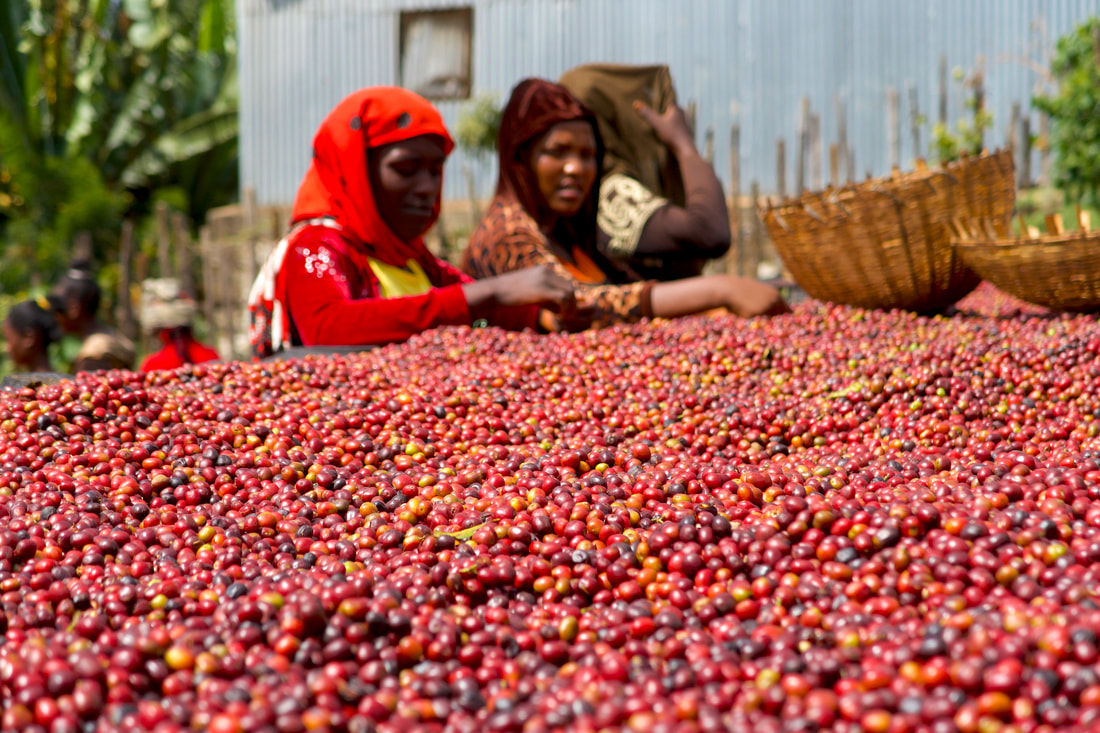
For refined natural processing, the coffee farmers responsible for post-harvest handling need to turn the fruit on the drying beds very diligently over the first three days, because at this point the coffee cherries have a very high moisture content. If they are not turned in time, they not only tend to grow mold, but uneven heating can also produce unpleasant sour flavors or rotten-fruit flavors. Throughout the entire process, the fresh coffee fruit is spread in only a thin layer, with the aim of giving it better ventilation and a better drying environment. After 14-18 days, once the moisture content has dropped to the target level, it can be bagged and sent to the warehouse.

, , , . , , , , , , , .
EMBED THE SNIPPET BELOW IN YOUR SITE Bing Webmaster Portal
Related Reading



Comments (0)
Loading comments...
You May Be Interested



Trending Reviews
Popular Videos

With you, wherever you are! We provide useful features to help you find new things you'll love






