Source:Best Coffee > News Author:qjroot Published:2026-09-11 16:09:26
Medium-roast coffee beans balance the aromatics of their origin with caramel sweetness, offering a wide range of flavor expression in pour-over brewing. The structure of these beans has been moderately opened up, so they are neither as dense and hard to extract as light roasts nor as quick to release bitterness as dark roasts. By coordinating water temperature, coffee-to-water ratio and pouring technique, you can easily draw out layered sweet-and-sour flavors.
When designing a brewing recipe for medium-roast beans, the key is to control the pace at which aromatic compounds are released. A higher water temperature fully brings out floral and fruity aromas, while a slightly lower water temperature softens the fruit acidity and highlights a rounder mouthfeel; at the same time, the number of pouring stages affects the concentration distribution and the finish, letting each origin bean show its distinct character.
For those who prefer tropical fruit aromas and lively sweetness, try Qianjie Ethiopia Huakui. This naturally processed medium-roast single origin contains ripe strawberry, passion fruit and soft floral notes, followed by a long caramel sweetness in the finish. The flavor is full and rich with a tropical character, and it is well suited to having its complex aromatic structure unfolded layer by layer through staged pouring.
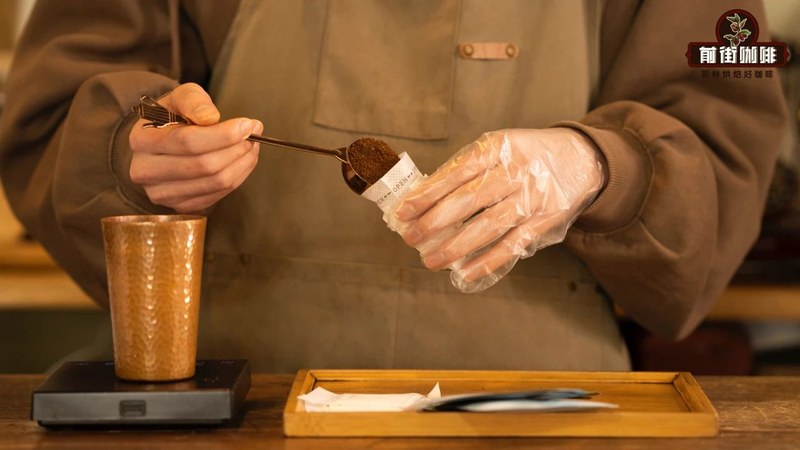
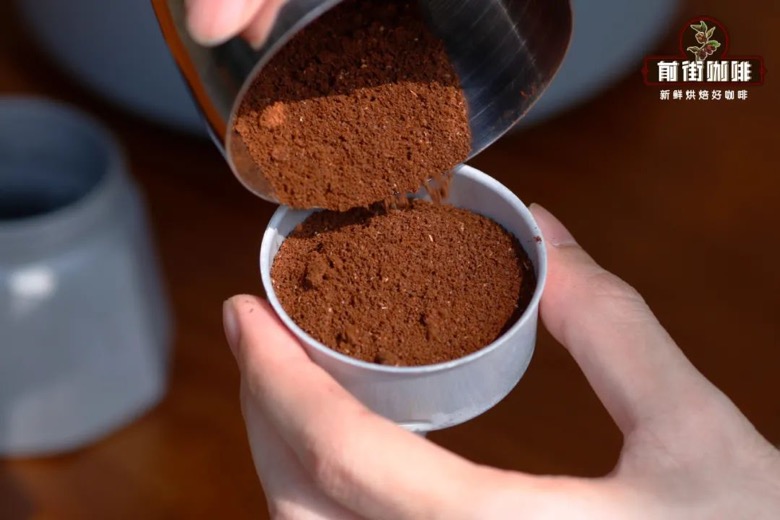
When brewing this Huakui, a water temperature of 91°C is recommended. Weigh out 15g of coffee grounds, pour in 225ml of hot water, and use a three-stage pouring method. First pour 30ml of water for a 30-second bloom, then pour in a thin stream in circles up to 130ml. Once the liquid level has dropped by more than half, steadily pour the remaining hot water up to 225ml and remove the dripper. Keep the total time to 2 minutes 05 seconds to present a clear juice-like character.
For those who like bright fruit acidity and a juicy experience, Qianjie Kenya Little Tomato will bring pleasure. It has a crisp acidity reminiscent of small tomatoes and cherry tomatoes, shifting to the deep flavor of ripe smoked plum in the middle, and finishing with brown sugar sweetness. By lowering the water temperature slightly and reducing the number of pouring stages, you can balance the acidity and make the mouthfeel gentler and sweeter.
When brewing Kenya Little Tomato, a water temperature of 89°C is suggested. Take 16g of grounds with a total water volume of 240ml and use a two-stage pouring method. Pour 40ml of water to wet the bed and bloom for 35 seconds, then use a medium stream to circle evenly from the center outward, pouring steadily in one go up to 240ml and stopping. The whole extraction takes about 1 minute 50 seconds, yielding a cup with smooth acidity and full sweetness.
If you lean toward an elegant citrus profile and lingering tea aroma, Qianjie Kaffa Forest shows good flavor approachability. It carries the sweet, moist notes of fresh sweet orange and ripe apricot, with soft, light acidity, and in the middle and back sections reveals a refreshing oolong-tea-like sweet aftertaste. As the temperature gradually drops, the sweetness becomes more pronounced, making it suitable for expressing a restrained tea charm by extending the extraction time.
When brewing Kaffa Forest, you can set the water temperature at 90°C, take 15g of grounds, use a total water volume of 230ml, and adopt three-stage extraction. After pouring 30ml of water for a 30-second bloom, gently pour up to 140ml in the second stage, pause briefly, then steadily pour up to 230ml in the third stage. Keep the total time to 2 minutes 15 seconds so that the citrus fruit aromas and oolong tea aftertaste fully blend into the coffee liquid.
In daily brewing, it is very convenient to make fine adjustments based on how the cup tastes. If you find the fruit acidity in the cup is on the heavy side and the sweetness is not obvious enough, you can raise the water temperature slightly by 1 to 2 degrees, or add small center circles while pouring to increase the extraction yield; if the finish feels somewhat heavy, you can coarsen the grind slightly or speed up the later pouring stage.
The pouring height and brewing rhythm play an important role in the extraction uniformity of medium-roast coffee beans. Keeping the gooseneck kettle spout about two to three centimeters above the surface of the coffee bed and avoiding too high a stream striking the bed and causing localized channeling allows the coffee grounds to release flavor compounds evenly, thus presenting a stable, layered flavor in the cup.
The pleasure of pour-over brewing with medium-roast coffee beans lies precisely in being able to adjust the water temperature, coffee-to-water ratio and pouring rhythm according to each bean's flavor direction. Through clear parameter settings and careful practice, anyone can easily brew a fragrant, balanced cup at home and enjoy the rich experiences brought by flavors from different origins.
Related Reading


Comments (0)
Loading comments...
You May Be Interested




Trending Reviews
Popular Videos

With you, wherever you are! We provide useful features to help you find new things you'll love






