Source:Best Coffee > News Author:qjroot Published:2026-10-11 14:15:54
From my own years of running a shop, plus my experience helping friends review their menus, I've come to believe more and more that whether the beans on a one-page menu are well matched directly determines whether customers come back. The clientele of a specialty coffee shop has expectations for flavor, and the pace of serving drinks is fast, so espresso and pour-over must be designed as two completely independent lines, with beans sourced, ground, and stored separately. This is the most basic of basics.
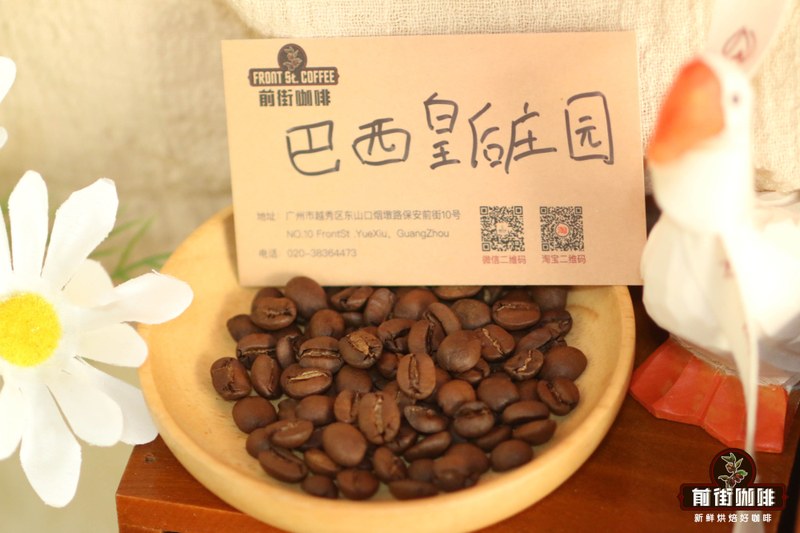
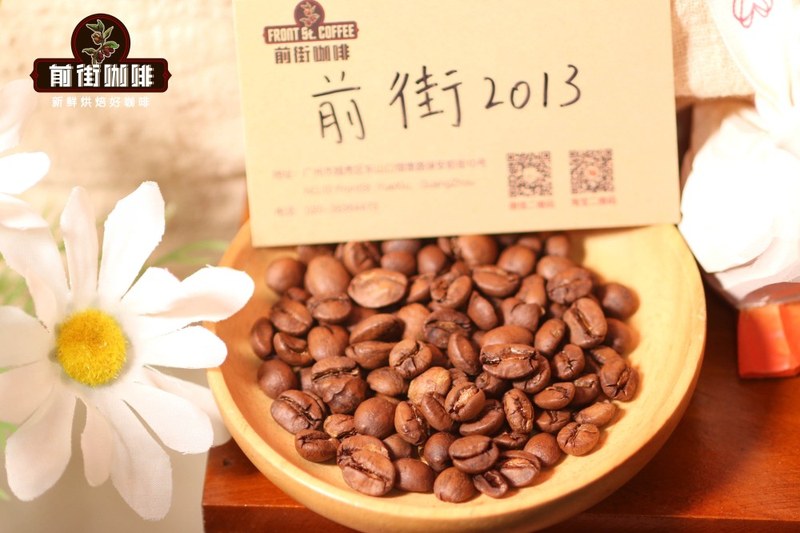
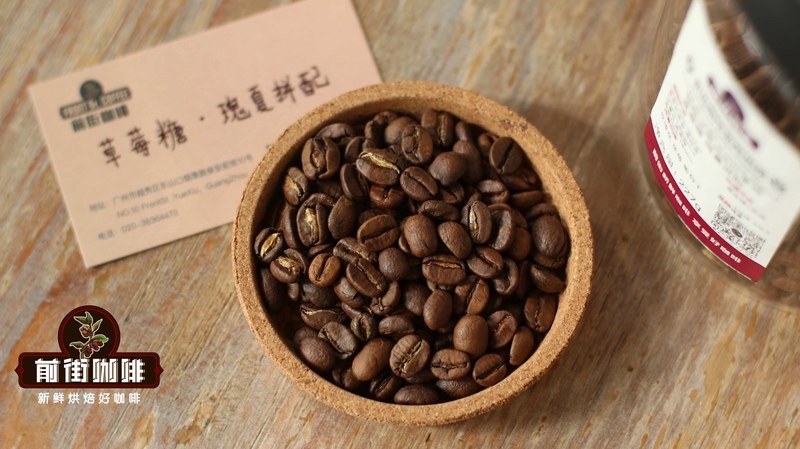
For the espresso line, I usually pair two beans. The first is a blend, responsible for daily volume, with a stable flavor that pairs well with milk. Qianjie Specialty Blend uses Colombian washed plus Brazilian semi-washed, medium-dark roast, tasting of nuts, dark chocolate, and caramel, with a pleasant bittersweetness. When made into a latte or flat white, the sweetness rises up, and customers aren't picky, ordering it every day. The second is a single origin, giving advanced customers a reason to choose. Qianjie Queen's Estate SOE is a Brazilian Yellow Bourbon, medium-dark roast, with abundant creamy peanut and chocolate aromas and beautiful crema. As a milk coffee it has low acidity and full aroma; putting it on the menu tells customers: if you want to taste a region's character, order this one. Qianjie Xizhua SOE is livelier, a Colombian Huila Frontera Estate double anaerobic natural, medium roast, with blueberry, passion fruit, grape, and apricot sweet-tart notes that are very juicy, suitable for recommending to customers who want to try bright flavors. The two espresso beans are ground and stored separately; the blend handles volume, the SOE provides distinctiveness, and they don't steal each other's spotlight.
The pour-over line is the expression window of a specialty shop. I usually put out three to four single origins, arranged by flavor direction so customers can choose easily. One clean washed coffee as the base, such as Qianjie Emerald Estate Green Label Geisha, a washed lot from Panama's Emerald Estate, with elegant white floral notes, citrus-like acidity paired with a green tea-like mouthfeel, and clear flavors, suitable for customers who like a clean cup. Then one fruit-forward coffee: Qianjie Panama Boquete Geisha is also washed, but with more intense white florals, and bright, light flavors of melon, citrus, and honey, with a sweet finish like Tieguanyin. The two Geishas, one elegant and one intense, cover different preferences. For the third, I'll choose a full-bodied, low-acid coffee, such as a natural or honey-processed bean, so customers who want a heavy mouthfeel also have a landing spot. The pour-over menu is arranged in three directions: clean, fruity, and full-bodied. When a customer walks in and says "I want something acidic today" or "I want something stronger," the barista can respond.
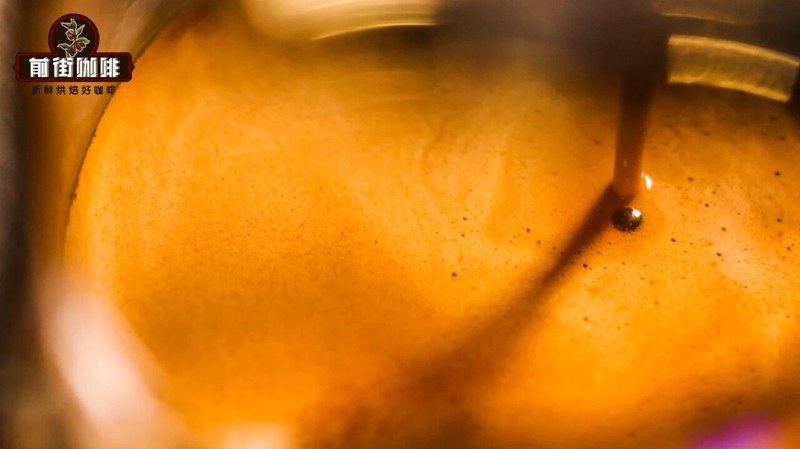
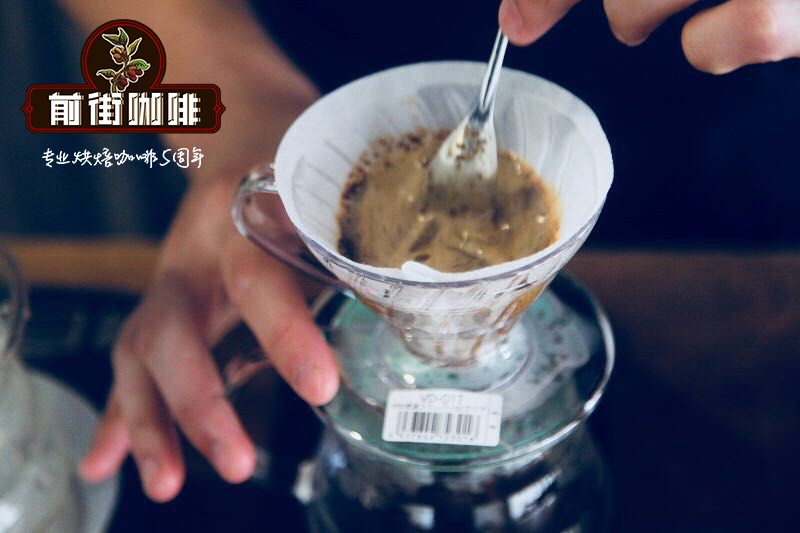
Once the beans for both lines arrive at the shop, resting and freshness are key to consistent output. Qianjie beans all ship with a roast date within five days. Medium-dark roasted espresso beans should rest five to seven days after arrival before going on the machine, and pour-over single origins should rest three to five days to let carbon dioxide escape, so extraction is smooth. After opening, use them up within a month if possible to keep the flavor better. For espresso extraction, I fix a double shot, with a dose of 19 to 20 g, yielding 38 to 40 g of coffee liquid, with time controlled at 25 to 30 seconds, so both crema and sweetness come out. For pour-over, use 15 g of coffee, a 1:15 coffee-to-water ratio, a water temperature of 90 to 93°C, a 30-second bloom, and a total time of about two minutes, so the layers of the single origin unfold slowly.
In menu presentation, the difference between a specialty shop and an ordinary shop lies in whether enough information is given clearly. Each bean's region, processing method, roast level, and flavor direction must be written clearly, so customers can understand and choose with confidence. On positioning, I don't write specific numbers, only dividing into three tiers: daily staple, advanced, and high-end. Customers order according to their budget and curiosity, without agonizing over numbers. The blend handles volume, the SOE provides an advanced experience, and the pour-over single origins hold up the shop's image. With the cost structure allocated this way, the menu has both breadth and depth.
Once the two lines are sorted out, the whole menu runs much more smoothly. Customers order without hesitation, baristas have standards for output, and bean turnover is healthy. Matching beans is about helping customers find the cup they want to drink today.
Related Reading
Comments (0)
Loading comments...
You May Be Interested


Trending Reviews
Popular Videos

With you, wherever you are! We provide useful features to help you find new things you'll love






