Source:Best Coffee > News Author:qjroot Published:2024-09-08 18:49:36
South America is the fourth-largest continent by land area, and it is rich in natural resources. The western part of South America contains the Andes Mountains, while the east is mainly plains and plateaus, with an average elevation of 600 m across the continent. These mountains bring numerous volcanoes and rivers, and most of the continent has a tropical rainforest climate and tropical savanna climate, warm and humid with abundant rainfall, with annual rainfall in most areas above 1000 mm.
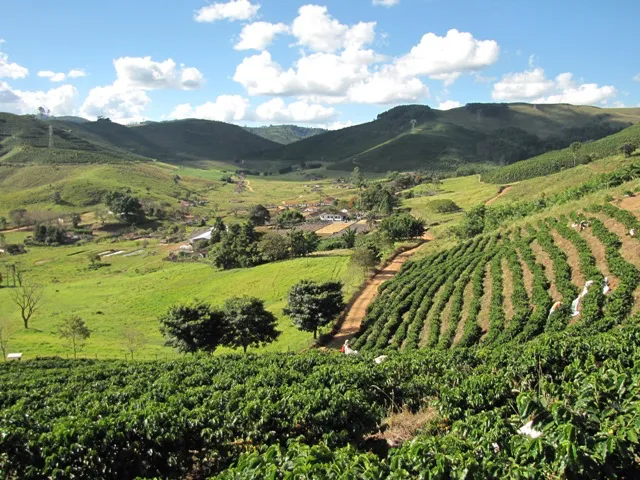
Fertile volcanic soil, abundant water resources, a suitable climate and plentiful rainfall make the continent's agriculture well developed, especially the coffee industry. Colombia on this continent is the world's third-largest coffee producer, while Brazil is the world's largest coffee producer.
At present, Brazil's coffee exports alone account for one third of the global market, thanks to the country's geographical environment and climate. Brazil is the largest country in South America, vast in territory and rich in resources. The country is mainly divided into two parts: one is the Brazilian Highlands region distributed across the south-central area, and the other is the Amazon River basin in the north and west of Brazil.
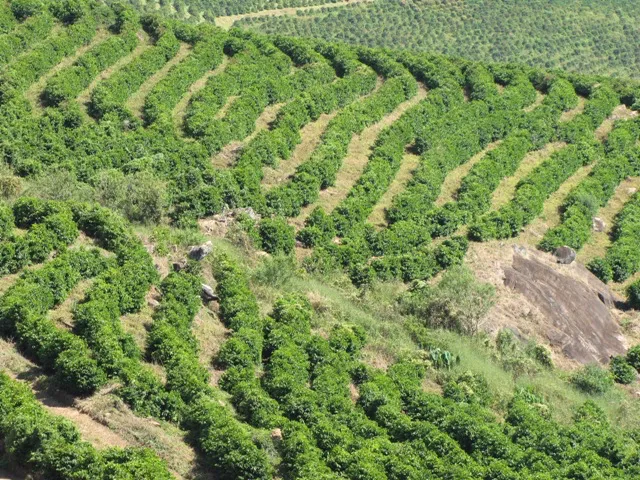
Coffee cultivation is mainly concentrated in the southwest of the country, where the elevation is mainly 600-800 m. In the eastern part of the plateau there are high ridged mountain ranges with an average elevation of 1000 m, and some peaks exceed 2000 m. In addition, the land and hydropower resources here are very rich, and the climate is mainly a subtropical monsoon climate, mild and humid with plenty of sunshine and abundant rainfall, which is more suitable for coffee growth.
Brazil is a large territory, divided into 26 states in total, of which 17 states produce coffee. Among them, the four states of Parana, Sao Paulo, Minas Gerais and Espirito Santo account for 80% of total production, and Brazil grows the two major coffee varieties, Arabica and Robusta.
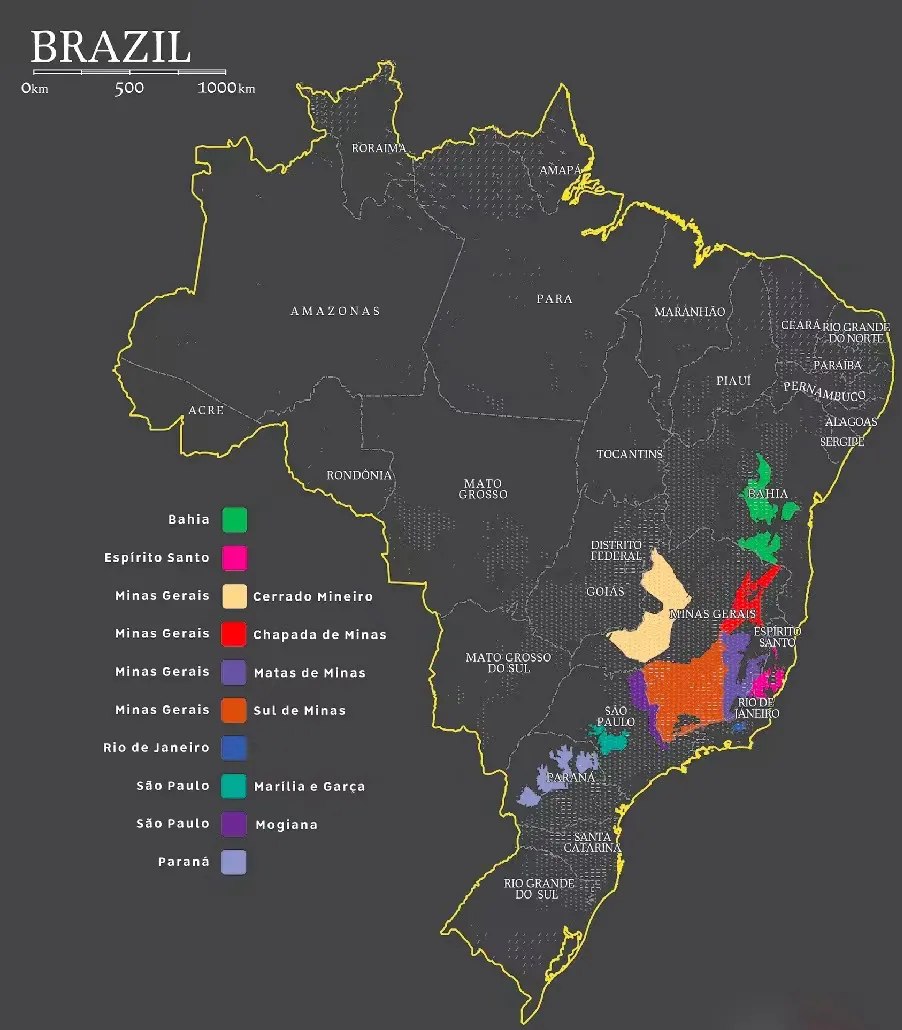
Among them, Minas Gerais is one of the most well-known coffee-producing regions in Brazil. The state is rich in agricultural resources and currently accounts for 30% of Brazil's coffee production. Within the state, there are also sub-regions such as Cerrado and Sul de Minas.
FrontStreet Coffee's everyday bean series also includes this well-known region. This entry-level selection, the Cerrado Red Bourbon coffee bean, uses the Bourbon variety that is mainly grown in Brazil, is processed using the semi-washed method, and after brewing has flavors of nuts, peanuts and cocoa chocolate, with relatively low acidity and a medium body.
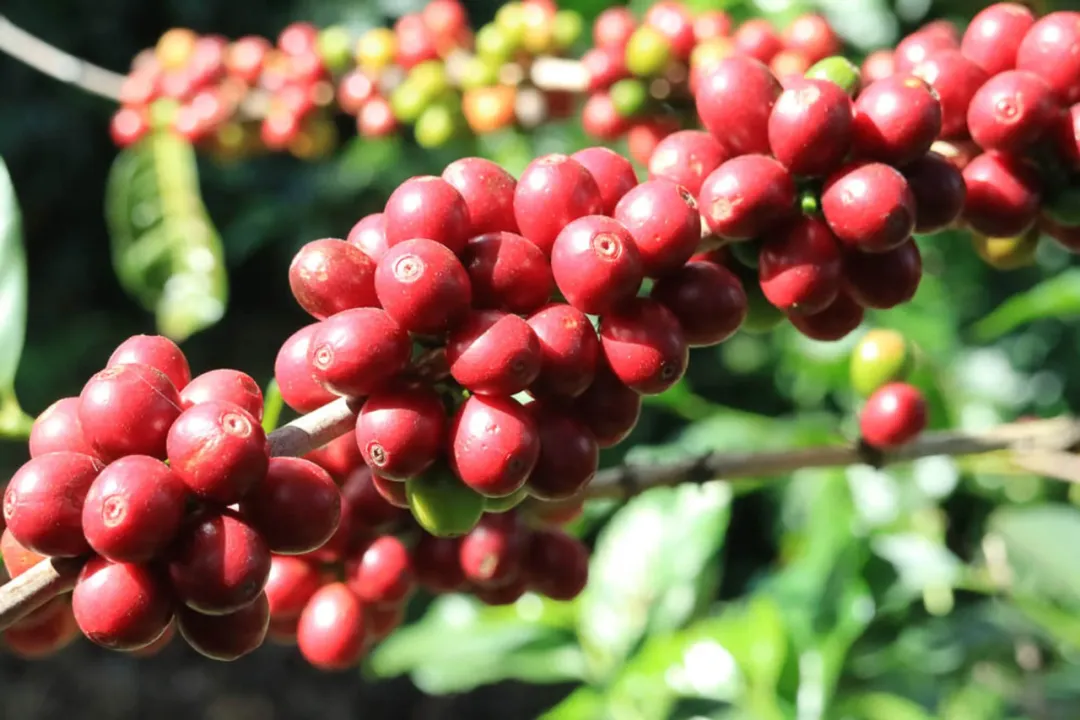
In addition, Sao Paulo state is also one of Brazil's well-known producing regions. The terrain of Sao Paulo state is diverse, with many rivers in the coastal areas and mostly plateaus and basins inland. Because the elevation is relatively high, the climate is a tropical highland climate, with mild weather and a relatively large temperature difference between day and night, so agriculture and livestock farming are well developed. In Sao Paulo state there is the well-known sub-region Alta Mogiana, which is one of the highest coffee-growing elevation regions in Brazil, with a growing elevation of 900-1100 m, and the soil here is rich in minerals and very suitable for cultivation.
Speaking of Alta Mogiana, one cannot fail to mention the well-known estate in this region, Fazenda Rainha (Queen Farm), which is owned by the well-known local Brazilian coffee family, the Carvalho Dias family. The estate places great emphasis on and persists in environmental protection, using natural waterfalls to develop pollution-free hydroelectric power, insisting on the preservation of native flora and fauna in primary forests and continuous afforestation, and because the terrain is high and not flat, it basically adopts manual harvesting of the cherries, mainly growing the Bourbon variety.
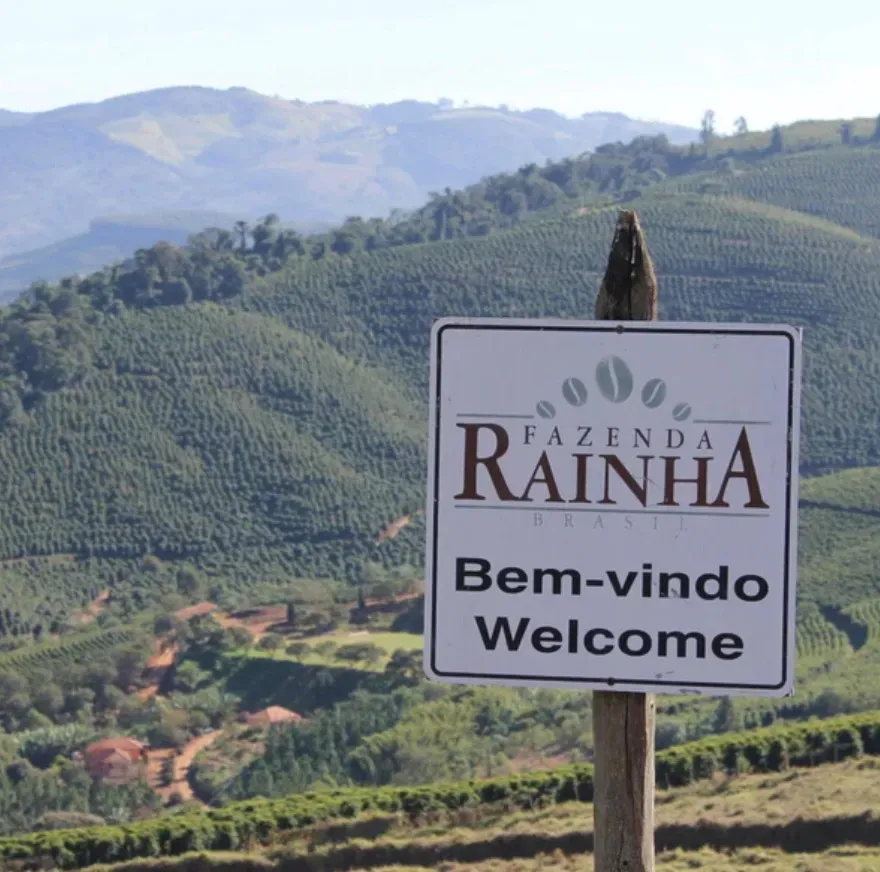
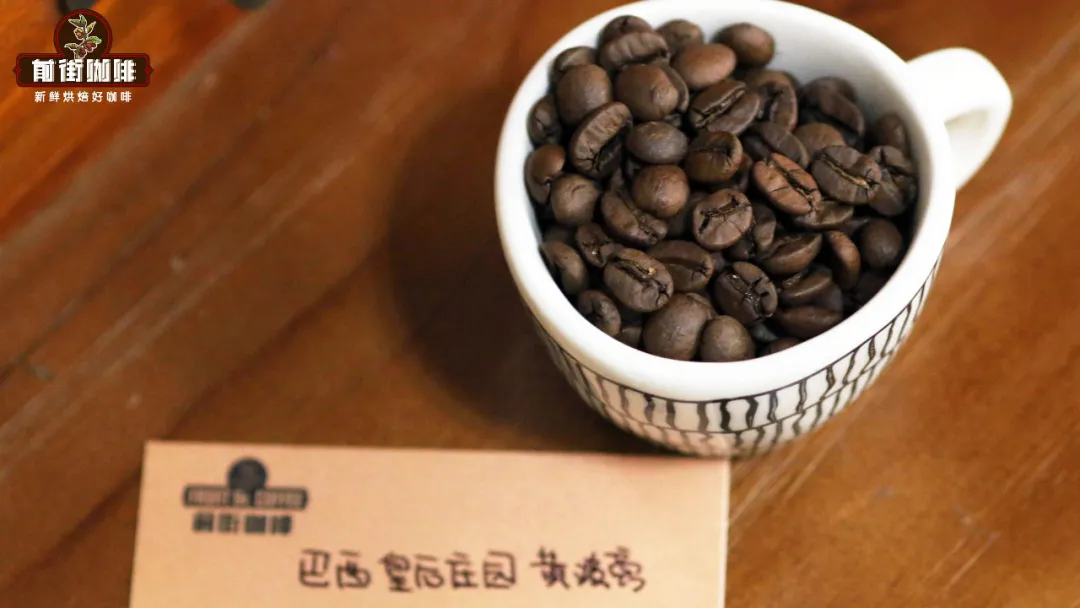
FrontStreet Coffee also selects the Queen Estate Yellow Bourbon coffee beans from the Sao Paulo region of Brazil, using the semi-washed processing method. Once brewed, it has a fruity sweetness, with flavors of sugarcane, black tea, chocolate and peanut nuts, a faint clean bitterness, and a smooth, delicate mouthfeel.
To learn more about coffee origins, please scan the QR code to follow: Kaping
Long-press the QR code to follow:

Related Reading



Comments (0)
Loading comments...
You May Be Interested

Trending Reviews
Popular Videos

With you, wherever you are! We provide useful features to help you find new things you'll love






