Source:Best Coffee > News Author:qjroot Published:2026-01-06 18:00:53
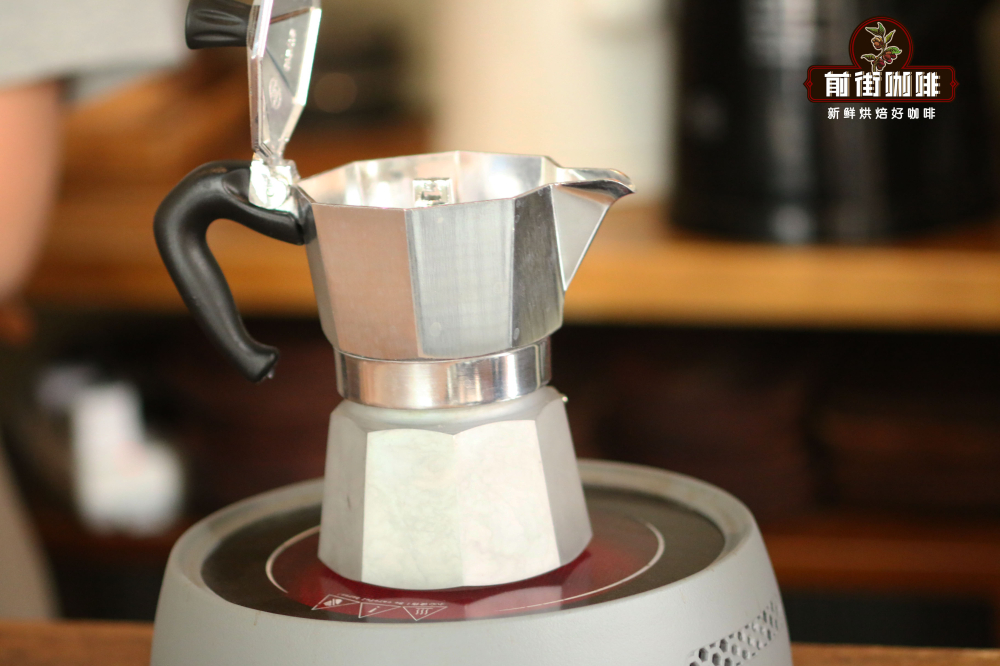
"Is it safe to heat a Moka pot?" This is a question many people have asked Qianjie. In fact, no matter what kind of coffee brewing device it is, it has advantages and disadvantages. The advantage of the Moka pot is that it is lightweight, simple to operate, and can quickly brew strong coffee; the disadvantage is that if operated incorrectly, it can explode or spray coffee liquid. So today Qianjie will explain all aspects of safely using a Moka pot.
The extraction principle of the Moka pot
In this era when pour-over, siphon and high-end espresso machines flourish, the Moka pot seems to have been labeled as old-fashioned and difficult to use to make good coffee. Qianjie has observed that coffee enthusiasts choose to brew a single-origin coffee by pour-over at home or go to a cafe to order a cappuccino or other milk-based espresso coffee. However, with the popularity of home-level espresso machines, some friends have also paid attention to this Moka pot, which also has a pressure extraction function.
The structure of the Moka pot is very simple. It consists of a lower chamber for water, a filter basket for coffee grounds, and an upper chamber for the coffee liquid. When heating the Moka pot, the water in the lower chamber boils and forms water pressure, which draws the water from the lower chamber up through a thin metal tube. Under the action of pressure, the water penetrates the coffee grounds layer, and what flows into the upper chamber is the strong coffee liquid.

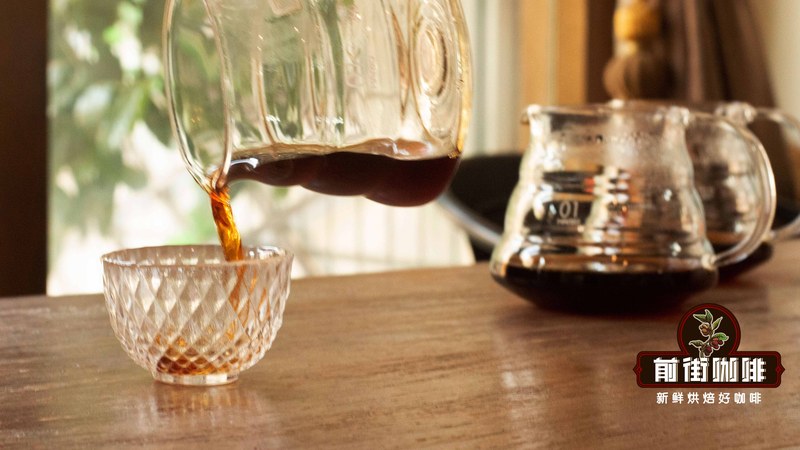
Qianjie would like to emphasize one more point here: the coffee liquid extracted directly from a Moka pot is relatively concentrated, and drinking it directly is very harsh on the palate, and you cannot perceive the aroma. So we can add a certain proportion of water or fresh milk to make it into a "Moka pot Americano" or "Moka pot latte". This not only makes it easier to drink, but also allows you to feel the fresh fragrance brought by the beans.
Why did few people use Moka pots before?
The reason is simple. As a household device, the Moka pot is less professional than an espresso machine, and China itself did not have a coffee drinking habit; coffee is an imported product. And when the people in China who began to come into contact with coffee were among the first to get rich, learning about coffee naturally meant learning the professional side, and these household-type devices were rarely looked upon favorably.
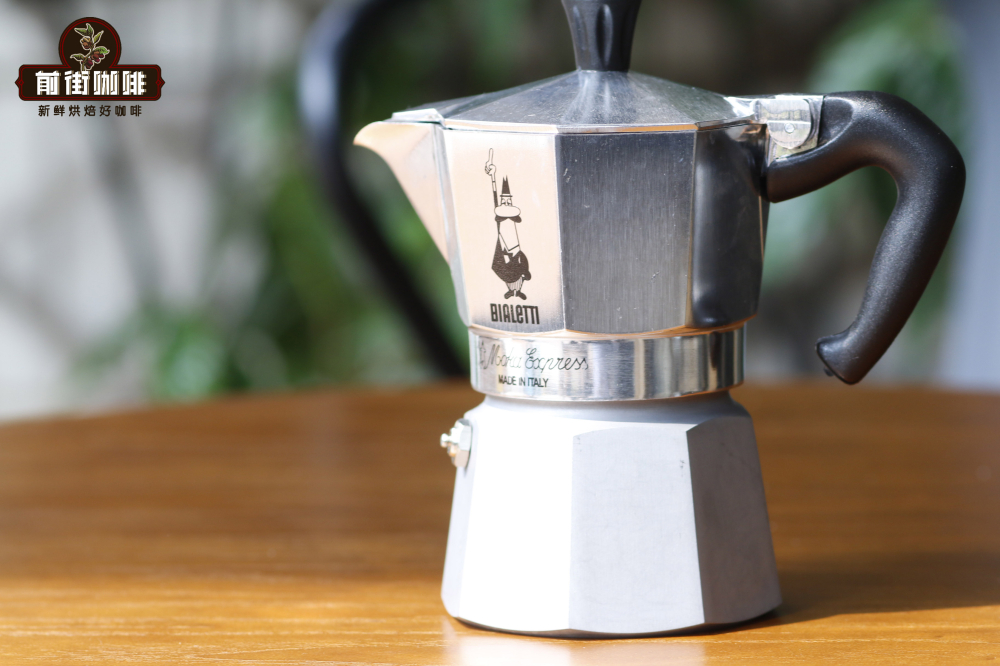
As more and more people become affluent, the coffee crowd keeps growing, so naturally some of them take a liking to simple home devices like the moka pot. Although the coffee a moka pot makes cannot match a professional espresso machine in crema and strength, a professional espresso machine costs tens of thousands of yuan, and even an ordinary home coffee machine costs several thousand yuan, while spending just a few hundred yuan on a moka pot gets you 60 to 70 percent of the way there, which is enough. This is also why the moka pot has become the choice of many coffee lovers for making coffee at home.
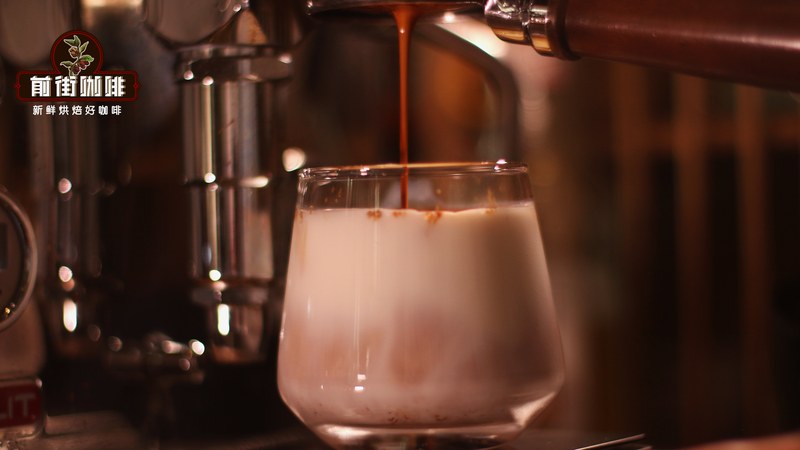
Moreover, the coffee made with a moka pot can also have milk added and be used for latte art, which is entirely sufficient for home use.
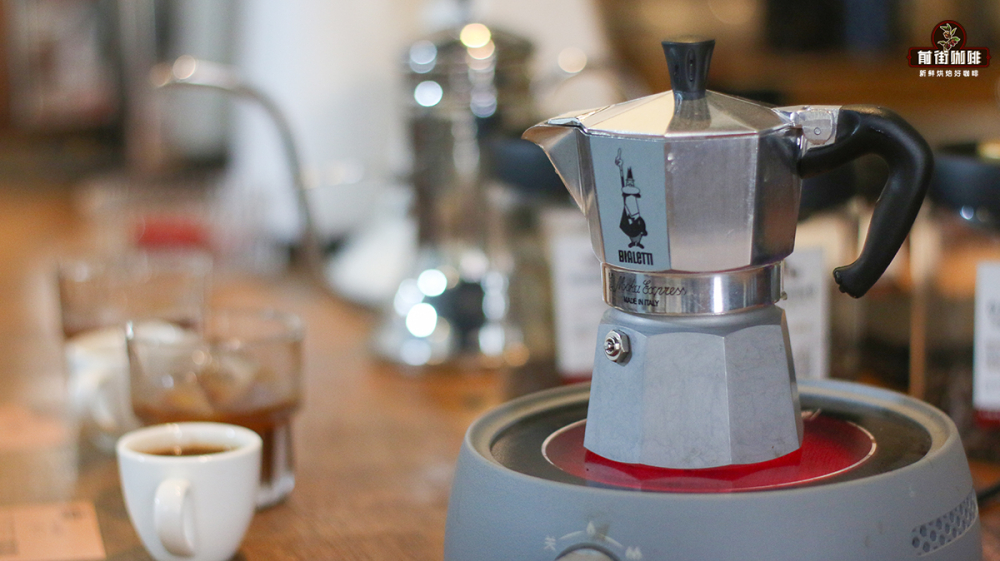
How to Make Milk Coffee with a Moka Pot
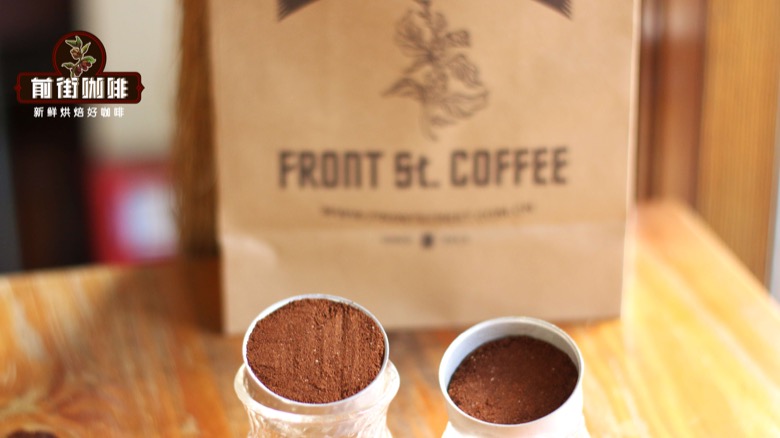
First fill the lower chamber with cold water (hot water would scald your hand), then put the filter basket in the lower chamber, cup your hand around the filter basket to form a ring, fill the basket with grounds until a small mound rises in the middle, and once the grounds around the edges have filled the gaps in the basket, simply press the upper chamber on and tighten it.


Then place it on an electric ceramic stove to heat (a gas stove works too). When you hear a "whoosh", it means the coffee is starting to surge up, so turn off the heat right away and wait for the coffee to come up. Since it does not pursue precise timing and dosage like pour-over or espresso, as long as it reaches about 2/3 of the pot body, the extraction is done, and you usually get 60-100ml of coffee.


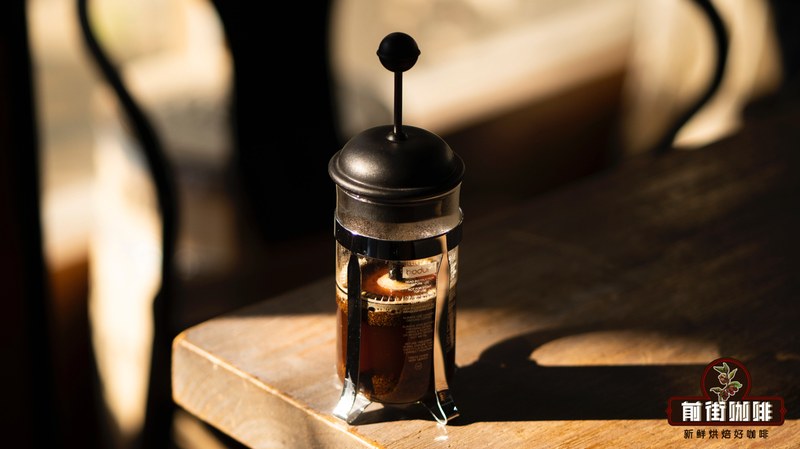
Freshly brewed moka pot coffee has a layer of golden crema on the surface, but most of the crema dissipates quickly, so pour in the milk as soon as possible. Here, Qianjie will use a French press to froth 200ml of warm fresh milk, then blend them evenly and pour latte art, and a cup of moka pot latte is ready.
Overall, latte art demands a bit more from the milk foam than from the espresso; coffee with crema makes the surface more stable, allowing some complex patterns, while a lack of crema makes the surface less stable, so latte art like rippled patterns becomes harder to achieve.

Although the moka pot is simple in structure and easy to operate, there are still some issues to watch out for when using it. The water base of a moka pot has a pressure relief valve that serves as a marker; when adding water, the water level must not exceed the pressure relief valve, otherwise it easily loses its pressure-relief effect and increases the risk of bursting. The flow rate of the coffee also gives us feedback: if the liquid spurts out directly, the water temperature is too high, while if the coffee flows very slowly, the water temperature is too low and should be raised, and always keep an eye on the heat control.

Also, since all the coffee grounds can only be extracted once, and it is difficult to gauge the exact weight of the coffee liquid when using a moka pot, the actual extraction yield is mainly judged by experience. Therefore, during the process, Qianjie recommends that you stay focused and attentive, otherwise the coffee can easily be over-extracted and turn bitter.

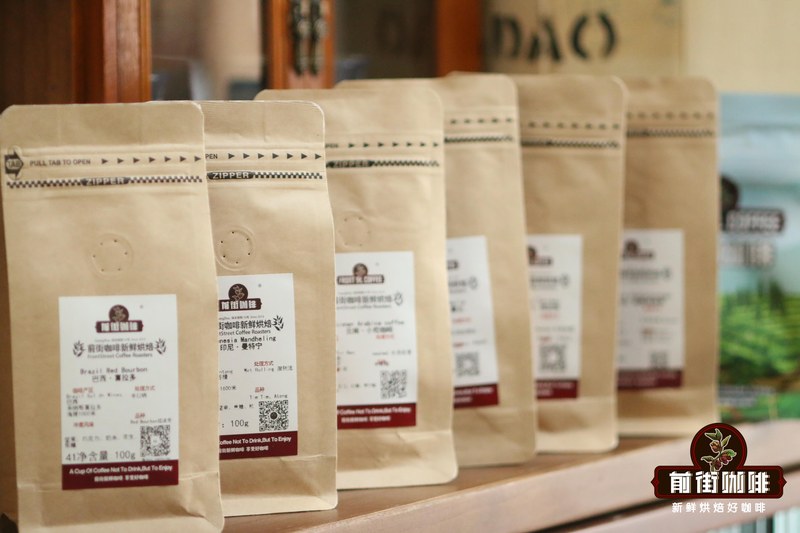
If you want the espresso extracted with a moka pot to have a rich, aromatic crema layer, Qianjie recommends using freshly roasted medium-dark roasted coffee beans. As the roast level deepens, the coffee beans undergo caramelization and produce a large amount of gas, which is released under the "pressure" during extraction. As storage time lengthens, the beans lose a large amount of gas, making it very difficult to extract a rich, aromatic crema. The coffee beans shipped by Qianjie are all freshly roasted within 5 days, so everyone can enjoy them within the optimal tasting period.
Related Reading



Comments (0)
Loading comments...
You May Be Interested


Trending Reviews
Popular Videos

With you, wherever you are! We provide useful features to help you find new things you'll love






