Source:Best Coffee > News Author:qjroot Published:2024-07-31 18:55:22
South America is rich in natural resources. The Andes run almost the entire length of the western part of the continent, making it one of the world's more volcanic continents. The continent has a warm, humid climate, mainly tropical, with abundant rainfall, making it very well suited to agriculture such as coffee cultivation. The continent is home to quite a few coffee-producing countries, such as Brazil, Colombia and Ecuador. Among them, Ecuador's coffee production accounts for only a small share of the global total, yet its coffee is recognized for its unique growing conditions.
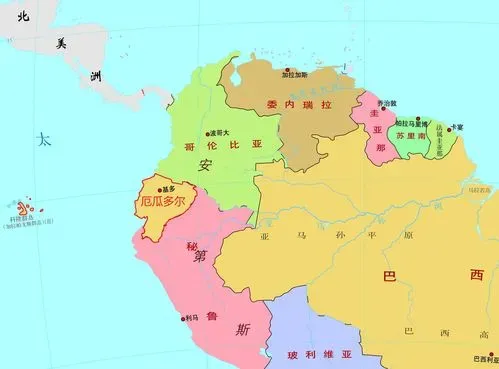
Ecuador is located in the northwest of South America and is a country with both sea and land. The equator runs across the northern part of the country, the Andes run north to south through it, and the country has numerous volcanoes and frequent earthquakes. The whole territory is divided into four parts: the western coastal region, the central mountain region, the eastern Amazon River basin, and the Galapagos Islands.
The climates of the four regions are all different. The western coastal region has a tropical rainforest climate, with an average temperature of 23-25°C. The basins of the central Andean mountain region have a tropical savanna climate, while the mountains have a subtropical forest climate, with permanent snow above 4,000 m; December to June of the following year is the rainy season, and July to November is the dry season.
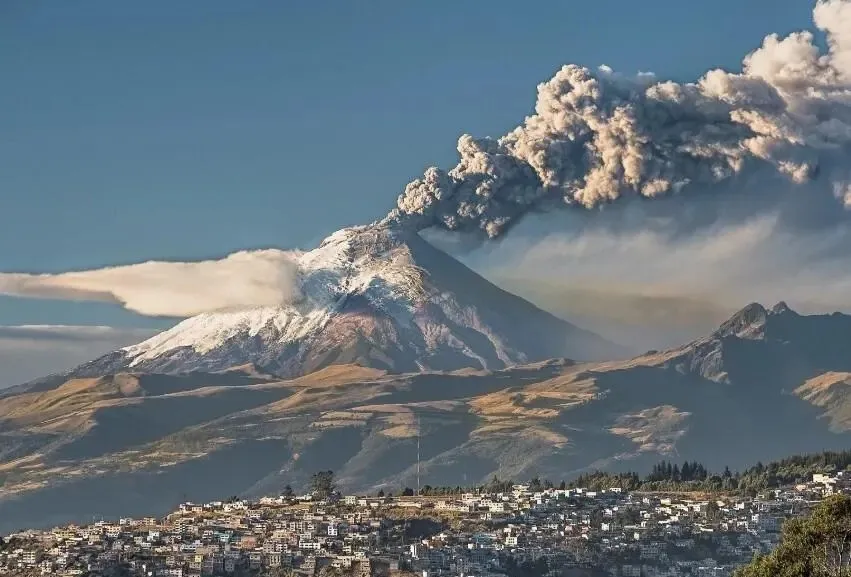
The eastern Amazon region has a tropical rainforest climate, hot and humid with frequent rain all year round, and an average annual rainfall of between 2,000-3,000 mm. Its diverse climate, abundant rainfall, volcanic soil and rivers make the country an ideal region for coffee cultivation.
As early as the 19th century, coffee was introduced to Ecuador. Although the growing conditions were ideal, the coffee industry did not receive much attention, because the cacao industry had always been Ecuador's main industry. It was not until the 20th century, when the cacao industry was threatened by disease, that coffee became Ecuador's main industry.
However, the coffee price crisis of the 1990s caused a sharp decline in coffee production, after which Ecuador shifted toward developing its oil industry, so its agricultural development has been somewhat slower than that of some neighboring countries. In recent years, thanks to the efforts of local farmers and roasters, Ecuador's coffee industry has begun to recover and develop.
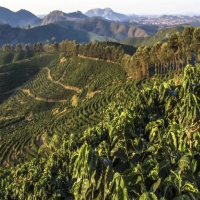
Ecuador also produces both Arabica and Robusta coffee varieties, and its Arabica-producing regions are mostly concentrated in the highland volcanic areas of the central Andes Mountains, roughly divided into two major highland zones, north and south, with the harvest period running from March to October each year. The northern region mainly includes Carchi, Imbabura and Pichincha provinces, while the southern region mainly includes Loja, Azuay and Zamora Chinchipe provinces.
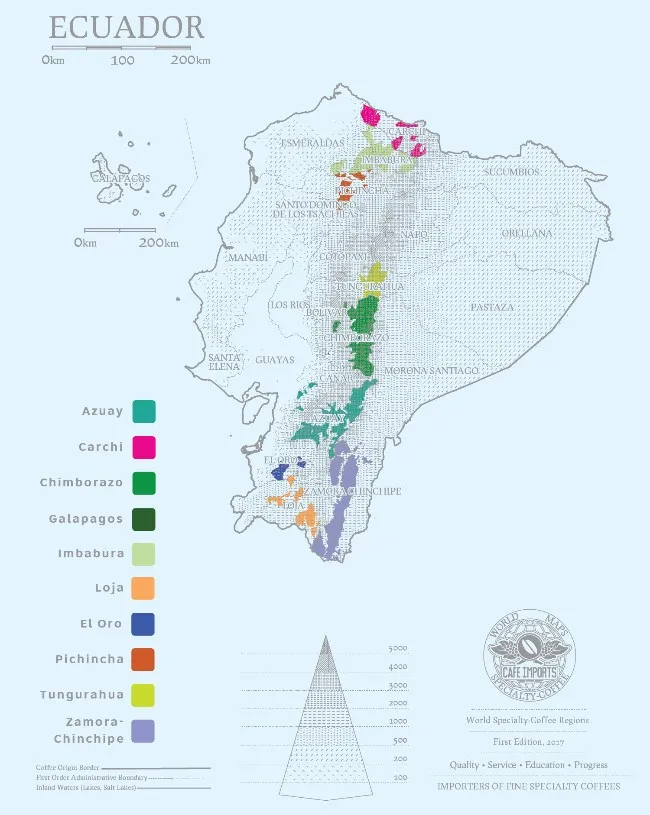
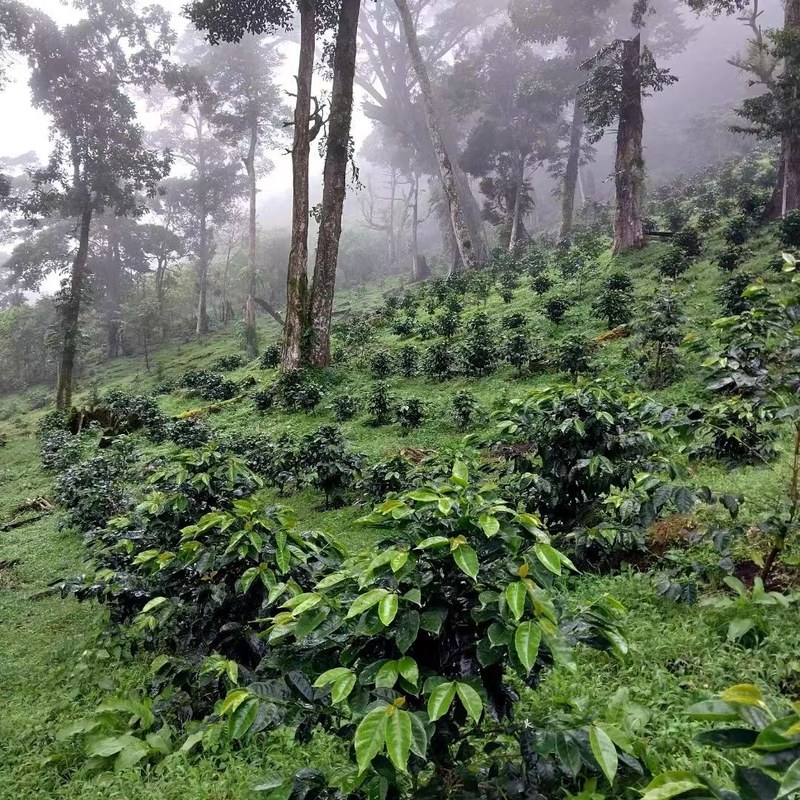
Pichincha Province is located in the northern highlands of Ecuador, and the province takes its name from the Pichincha volcano. The average altitude here is 2800 m, and the province contains numerous volcanoes, hills and mountain ranges. It has fertile soil provided by the volcanoes, as well as the pure waters of the Alambi River, combined with plenty of sunshine all day long, providing a high-quality ecological environment for coffee growing.
This once attracted a number of coffee companies to establish factories or breeding centers here, including Nestle. At the time, Nestle's breeding center here developed the now well-known Sidra variety through variety breeding and hybridization. Today there are also quite a few well-known coffee estates in the region, such as Meridiano Estate and Cruz Loma Estate.
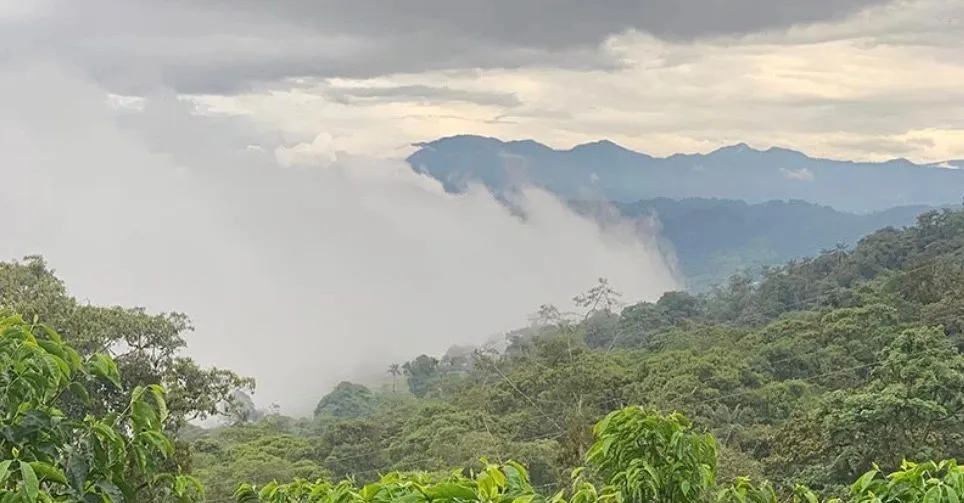
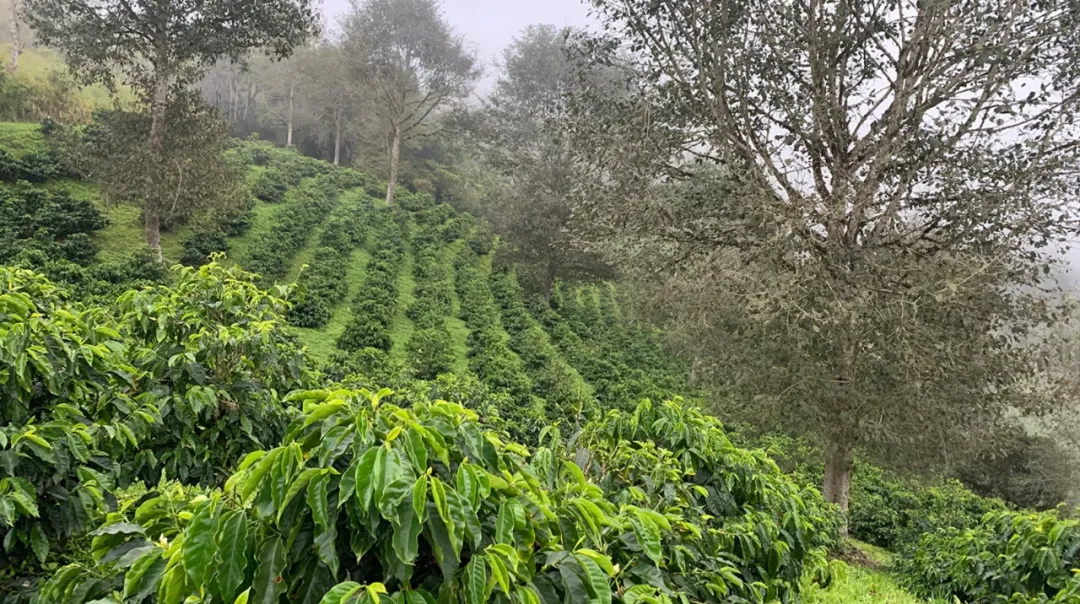
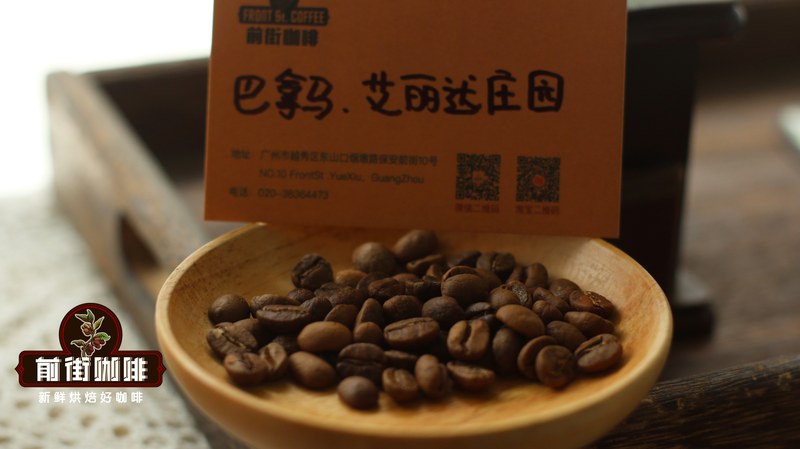
Cruz Loma Estate is owned by the Morales Rivera family, which also owns Tulipe Estate. Both are located at 1800 m in Pichincha Province, and the estate has long used carefully controlled cultivation and processing techniques to deliver a range of exceptional coffees.
It is also committed to employee development, providing ongoing training and continuously improving our production processes. The experience and knowledge gained over the years have earned recognition from domestic and international coffee industry experts, and as a result, it won third place in the 2023 Ecuador Cup of Excellence COE.
Related Reading


Comments (0)
Loading comments...
You May Be Interested

Trending Reviews
Popular Videos

With you, wherever you are! We provide useful features to help you find new things you'll love






